Selecting the right fabric is crucial for your clothing line, as it affects the look, feel, and performance of the garment. At SupplyCloth, we understand the importance of fabric selection and its impact on your product’s success.
The type of fabric you choose will influence not only the aesthetic appeal of your garments but also their comfort, durability, and overall performance. As a fashion brand, it’s essential to understand the different types of fabrics available and their properties. We guide you through the process of choosing textiles for clothing that meet your brand’s standards.
Let us handle your production needs. Visit our website at www.supplycloth.com for more information on how we can support your clothing line.
Key Takeaways
- Understand the properties of different fabrics
- Consider the comfort and durability of the fabric
- Choose fabrics that meet your brand’s standards
- Partner with a reliable manufacturer like SupplyCloth
- Ensure transparency in sourcing and production
The Critical Role of Fabric Selection in Fashion Design
The choice of fabric plays a pivotal role in determining the overall aesthetic and functionality of a garment. Fabric selection is a critical decision that can significantly impact a clothing line’s brand identity, production costs, and garment longevity.
Impact on Brand Identity and Positioning
The fabric chosen for a garment can greatly influence a brand’s identity and positioning in the market. High-quality fabrics can enhance the perceived value of a brand, while low-quality fabrics can detract from it. For instance, using sustainable and eco-friendly fabrics can appeal to environmentally conscious consumers.
How Fabric Choices Affect Production Costs
Fabric choices have a direct impact on production costs. The cost of raw materials, manufacturing processes, and labor can vary significantly depending on the type of fabric used. A comparison of fabric costs is shown in the table below:
| Fabric Type | Cost per Yard | Production Time |
|---|---|---|
| Cotton | $5 | 3 days |
| Polyester | $3 | 2 days |
| Silk | $10 | 5 days |
Relationship Between Fabric and Garment Longevity
The longevity of a garment is closely tied to the quality of the fabric used. Durable fabrics can withstand wear and tear, reducing the need for frequent replacements. By choosing the right fabric, brands can ensure their garments remain in good condition for a longer period, ultimately leading to increased customer satisfaction.
At SupplyCloth, we understand the importance of fabric selection in fashion design. Let us handle your production needs. Visit www.supplycloth.com for more information.
Understanding Different Fabric Categories
Fabric selection is a critical aspect of fashion design, and it begins with a thorough understanding of the various fabric types and their characteristics. When you’re creating a clothing line, the type of fabric you choose can significantly impact the comfort, durability, and aesthetic appeal of your garments.
Natural Fibers: Cotton, Silk, Wool, and Linen
Natural fibers are derived from natural sources and are known for their breathability, comfort, and sustainability. Let’s take a closer look at some common natural fibers:
- Cotton: Soft, breathable, and absorbent, cotton is a popular choice for casual wear.
- Silk: Luxurious and smooth, silk is often used in high-end fashion for its elegant drape and feel.
- Wool: Warm, durable, and versatile, wool is ideal for winter clothing and outdoor apparel.
- Linen: Known for its cooling properties and natural texture, linen is perfect for summer clothing.
Properties and Best Applications
Each natural fiber has its unique properties that make it suitable for specific applications. For instance, cotton is great for everyday wear due to its comfort and durability, while silk is often reserved for special occasions or high-end fashion due to its luxurious feel.
Care Requirements and Limitations
While natural fibers offer many benefits, they also come with specific care requirements. For example, silk and wool may require dry cleaning, whereas cotton and linen can usually be machine washed. Understanding these requirements is crucial for maintaining the quality and longevity of your garments.
Synthetic Fabrics: Polyester, Nylon, and Rayon
Synthetic fabrics are man-made and offer a range of benefits, including durability, wrinkle resistance, and affordability. Common synthetic fabrics include:
- Polyester: Versatile and easy to care for, polyester is widely used in activewear and outdoor clothing.
- Nylon: Strong and resistant to abrasion, nylon is often used in sportswear and outdoor gear.
- Rayon: Soft and drapey, rayon is used to create clothing that mimics the look and feel of natural fibers.
Performance Characteristics
Synthetic fabrics are known for their performance characteristics, such as moisture-wicking properties and quick drying times, making them ideal for activewear and outdoor apparel.
Cost-Benefit Analysis
While synthetic fabrics offer many benefits, their production process and environmental impact should be considered. We help you navigate these factors to make informed decisions that balance cost, performance, and sustainability.
Blended Fabrics: Benefits and Applications
Blended fabrics combine the benefits of different fibers, offering a balance of performance, comfort, and cost. By blending natural and synthetic fibers, you can create fabrics that are both durable and comfortable.
At SupplyCloth, we understand the importance of choosing the right fabric for your clothing line. With our expertise and transparent sourcing, we can help you navigate the complexities of fabric selection to ensure your garments meet your brand’s standards. Let us handle your production needs – visit www.supplycloth.com to learn more.
Key Factors to Consider When Choosing Fabrics
Choosing the right fabric is a multifaceted decision that depends on various key considerations. When selecting fabrics for your clothing line, it’s crucial to evaluate several factors to ensure that your final product meets your brand’s standards and customer expectations.
Seasonality and Climate Considerations
Understanding the seasonality and climate of your target market is vital in choosing the right fabric. For instance, breathable fabrics like cotton and linen are ideal for warm weather, while insulating fabrics such as wool and fleece are better suited for colder climates. Considering the climate will help you create clothing that is both comfortable and functional.
Target Market Demographics and Preferences
Your target market’s demographics and preferences play a significant role in fabric selection. For example, if your brand caters to a younger audience, you may prefer fabrics with stretch and durability, such as polyester blends. Understanding your customer’s needs will guide your fabric choices and ensure that your clothing line resonates with your target audience.
Garment Type and Functionality Requirements
The type of garment and its intended use are critical factors in choosing the right fabric. For instance, activewear requires moisture-wicking fabrics, while formal wear may necessitate luxurious fabrics like silk or velvet. Matching the fabric to the garment’s functionality ensures that the final product meets its intended purpose.
Trend Analysis and Forecasting
Staying abreast of current trends and forecasting future ones is essential in the fashion industry. Fabric choices can make or break the success of a clothing line. By analyzing trends, you can select fabrics that are not only stylish but also likely to remain relevant in the market. Our team at SupplyCloth can help you navigate the complexities of fabric sourcing and trend analysis to ensure your clothing line’s success. Let us handle your production needs, visit www.supplycloth.com for more information.
How to Choose the Right Fabric for Your Clothing Line
Selecting the ideal fabric for your clothing line is a crucial decision that impacts both the aesthetic appeal and the functionality of your garments. To make an informed choice, you need to consider several factors that align with your design concepts and brand requirements.
Matching Fabric Properties to Design Concepts
When matching fabric properties to your design concepts, you should consider several key aspects. This involves evaluating the fabric’s drape, structure, texture, and visual appeal to ensure they complement your garment designs.
Drape and Structure Considerations
The drape of a fabric refers to how it hangs on the body, while its structure relates to its stability and form. For instance, flowing evening gowns require fabrics with a beautiful drape, such as silk or chiffon, whereas structured garments like blazers need fabrics with more body, like wool or cotton twill.
Texture and Visual Appeal
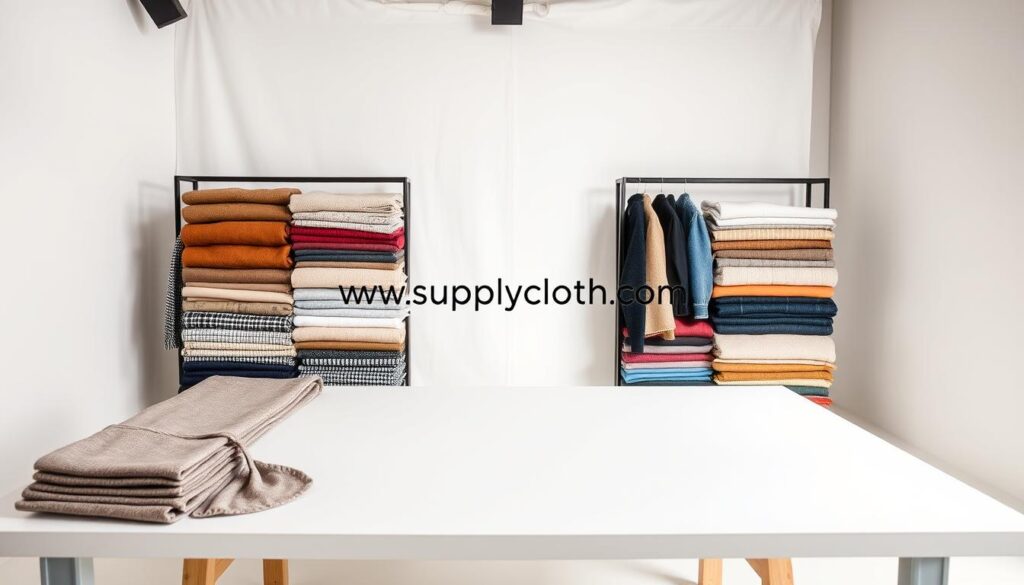
Texture adds depth to your garments, and the visual appeal of a fabric can significantly impact the overall aesthetic of your clothing line. For example, fabrics with intricate patterns or unique weaves can add visual interest to your designs.
Balancing Aesthetics with Practicality
While aesthetics are crucial, it’s equally important to balance them with practicality. This means considering factors like durability, comfort, and maintenance requirements. For instance, a fabric that looks stunning but is uncomfortable or difficult to care for may not be the best choice for your clothing line.
| Fabric Type | Aesthetic Appeal | Practicality |
|---|---|---|
| Cotton | Natural look, breathable | Durable, easy to care for |
| Silk | Luxurious feel, elegant drape | Delicate, requires dry cleaning |
| Polyester | Versatile, can mimic other fabrics | Durable, easy to maintain |
Testing Fabrics Before Full Production
Before committing to full production, it’s essential to test your chosen fabrics to ensure they meet your quality standards. This involves assessing their performance in terms of durability, colorfastness, and overall functionality. By doing so, you can avoid potential issues down the line and ensure that your final products are of the highest quality.
At SupplyCloth, we understand the importance of selecting the right fabric for your clothing line. Our team is dedicated to providing you with high-quality fabrics that meet your specific needs. Let us handle your production fabric needs. Visit www.supplycloth.com to learn more about our services.
Assessing Fabric Quality and Performance
To guarantee excellence in your clothing line, it’s essential to evaluate fabric performance thoroughly. Assessing fabric quality involves a comprehensive examination of various factors that impact the final product.
Understanding Fabric Weight and Drape
Fabric weight and drape are critical factors that determine the suitability of a fabric for different garment types. Heavier fabrics are often used for outerwear, while lighter fabrics are preferred for casual wear. Understanding the weight and drape helps in making informed decisions about the garment’s functionality and aesthetics.
Evaluating Colorfastness and Durability
Colorfastness and durability are vital aspects of fabric quality. We evaluate these factors through rigorous testing protocols.
Wash Testing Protocols
Wash testing involves subjecting fabrics to repeated washing cycles to assess their color retention and fabric integrity. This testing helps us identify potential issues before full production.
Abrasion and Pilling Resistance
Abrasion and pilling resistance tests are conducted to evaluate how well a fabric withstands wear and tear. Fabrics that resist pilling and abrasion are more likely to maintain their appearance over time.
| Test Type | Description | Importance |
|---|---|---|
| Wash Testing | Assesses color retention and fabric integrity after washing | High |
| Abrasion Testing | Evaluates fabric resistance to wear and tear | High |
| Pilling Resistance | Tests fabric’s ability to resist pilling | Medium |
Stretch, Recovery, and Dimensional Stability
Stretch, recovery, and dimensional stability are crucial for garments that require elasticity and shape retention. We test fabrics for their ability to stretch and recover, as well as their dimensional stability after washing. This ensures that the garment maintains its fit and appearance over time.
At SupplyCloth, we understand the importance of fabric quality in producing high-quality garments. Let us handle your production needs with our comprehensive fabric sourcing solutions and quality assurance services. Visit www.supplycloth.com to learn more about how we can support your clothing line.
Sourcing Fabrics: From Mills to Distributors
Effective fabric sourcing requires a strategic approach to supplier selection and relationship building. As a clothing brand, you need to navigate the complex landscape of fabric suppliers to find the best fit for your needs.
Working with Domestic vs. International Suppliers
When sourcing fabrics, you have the option to work with domestic or international suppliers. Domestic suppliers offer faster lead times and easier communication, while international suppliers may provide more competitive pricing. It’s essential to weigh these factors against your business needs.
Building Relationships with Fabric Vendors
Building strong relationships with fabric vendors is crucial for ensuring a stable supply chain. By establishing trust and communicating your needs clearly, you can negotiate better terms and ensure timely delivery of high-quality fabrics.
Minimum Order Quantities and Lead Times
Understanding minimum order quantities (MOQs) and lead times is vital for planning your production schedules. MOQs can vary significantly between suppliers, and lead times can impact your ability to meet customer demand. Careful planning is necessary to avoid stockouts or overstocking.
Negotiation Strategies for Startups
As a startup, negotiating with suppliers can be challenging. However, by being transparent about your needs and limitations, you can often secure more favorable terms. Consider the following negotiation strategies:
- Be clear about your MOQ requirements
- Ask about potential discounts for bulk orders
- Discuss lead times and flexibility
Planning for Production Timelines
Effective production planning is critical to meeting customer demand. By understanding lead times and MOQs, you can create a realistic production schedule that ensures timely delivery of your products.
| Supplier Type | Lead Time | MOQ |
|---|---|---|
| Domestic | 2-4 weeks | 100 yards |
| International | 8-12 weeks | 500 yards |
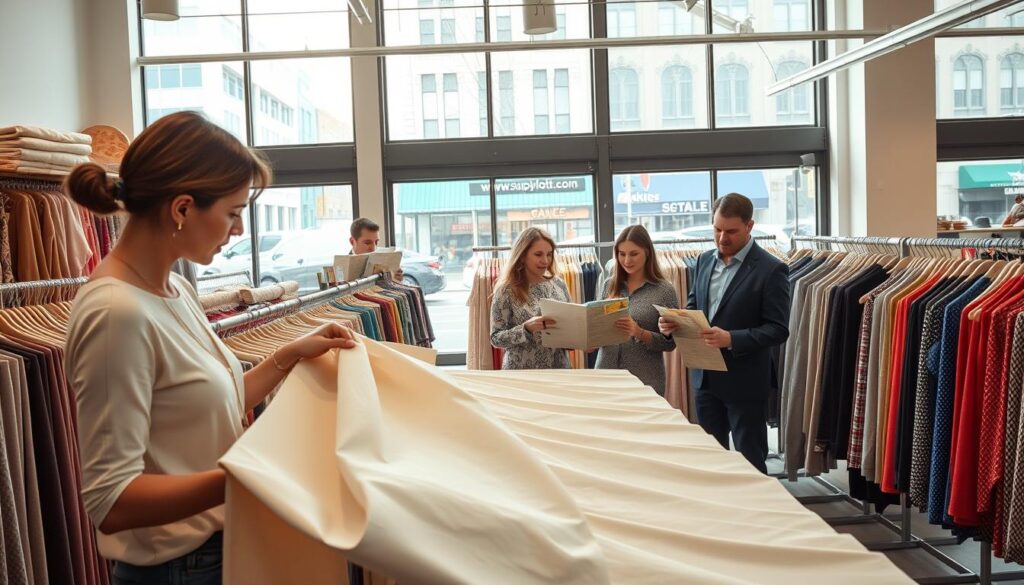
At SupplyCloth, we understand the complexities of fabric sourcing and are here to help you navigate this process. Let us handle your production needs, ensuring that you receive high-quality fabrics on time. Visit www.supplycloth.com to learn more about our comprehensive fabric sourcing solutions.
Legal Compliance and Industry Regulations
As a clothing manufacturer, navigating the complex landscape of legal compliance and industry regulations is essential. Ensuring that your fabrics meet these standards will help you avoid potential risks and penalties, safeguarding your brand’s reputation.
Fabric Labeling Requirements
Accurate fabric labeling is a critical aspect of legal compliance. You must ensure that labels include fiber content, care instructions, and country of origin. This transparency helps build trust with your customers and complies with regulations such as the Textile Fiber Products Identification Act.
Safety Standards and Certifications
Various safety standards and certifications apply to textiles, including those related to flammability, toxicity, and allergenic potential. Familiarize yourself with standards like CPSIA and OEKO-TEX to ensure your fabrics meet necessary safety requirements. We recommend working with suppliers who provide certifications, as this can significantly simplify the compliance process.
Import/Export Considerations for Textiles
When sourcing fabrics from international suppliers or exporting your finished products, understanding import/export regulations is crucial. This includes complying with customs regulations, duties, and quotas. Partnering with experienced suppliers can help navigate these complexities, ensuring smooth international trade operations.
At SupplyCloth, we understand the importance of legal compliance and industry regulations in the textile industry. Let us handle your production needs, ensuring that your fabrics are sourced and manufactured with the highest standards of quality and compliance. Visit www.supplycloth.com to learn more about our services.
Professional Production Services: Let SupplyCloth Handle Your Fabric Needs
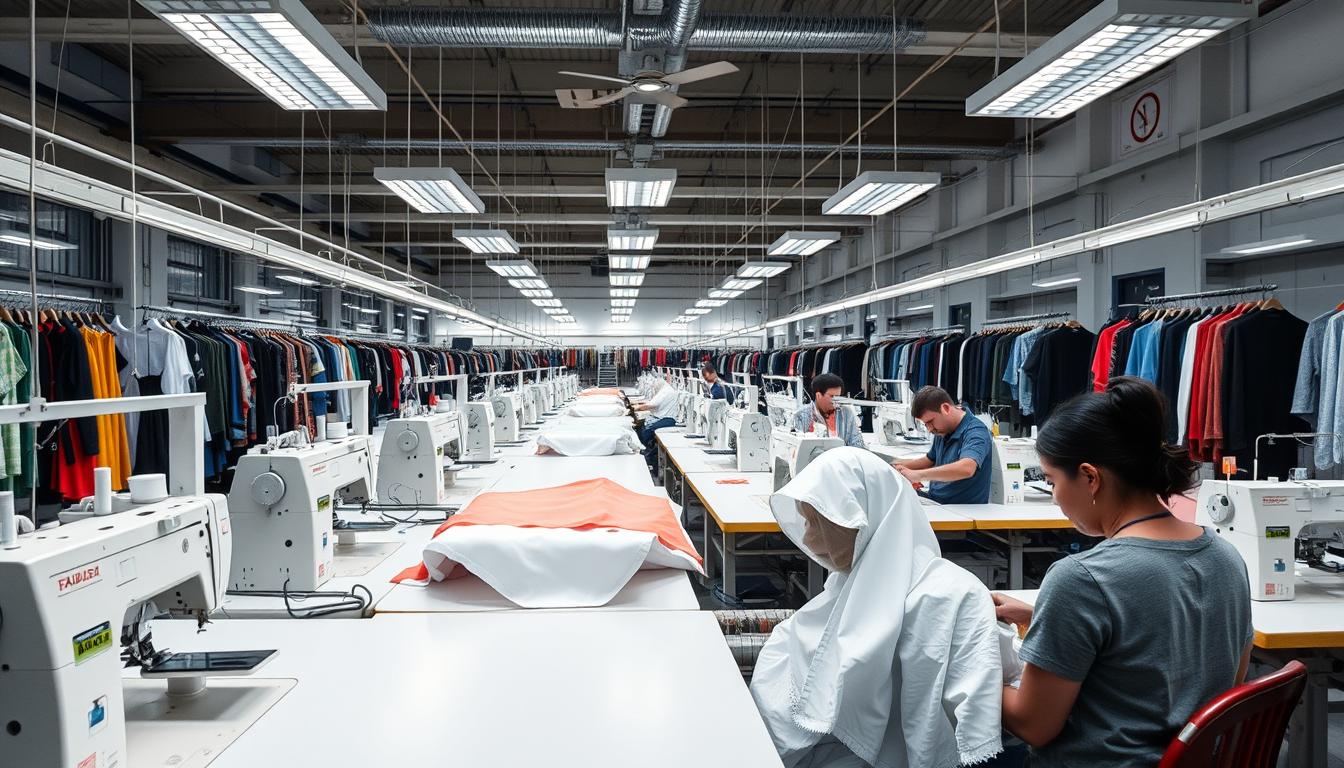
At SupplyCloth, we understand the complexities of fabric sourcing and production, offering comprehensive solutions for your clothing line. Our expertise ensures that you receive the best fabrics for your brand, every time.
Comprehensive Fabric Sourcing Solutions
We provide a wide range of fabrics tailored to your specific needs. Our extensive network of suppliers allows us to source high-quality materials, ensuring that your clothing line stands out in the market. From natural fibers to synthetic blends, we’ve got you covered.
Quality Assurance and Testing Services
Our commitment to quality is unwavering. We conduct rigorous testing to ensure that our fabrics meet international standards. With our quality assurance services, you can trust that your fabrics are durable, colorfast, and safe for use.
Transparent Sourcing and Legal Accountability
At SupplyCloth, transparency is at the core of our business. We ensure that our sourcing practices are ethical and compliant with legal requirements. By choosing us, you’re not only getting high-quality fabrics but also peace of mind, knowing that your supply chain is responsible and accountable.
Let us handle your fabric needs. Visit our website at www.supplycloth.com to learn more about how we can support your clothing brand.
Conclusion
Choosing the right fabric is crucial for the success of your clothing line. By understanding the different types of fabrics, their properties, and applications, you can make informed decisions that will impact the success of your brand.
At SupplyCloth, we simplify the fabric sourcing process, ensuring you get the best materials for your designs. Our comprehensive fabric sourcing solutions, quality assurance, and testing services guarantee that your production needs are met with precision and care.
To learn more about how we can support your clothing line, visit our website at www.supplycloth.com. Let us handle your production needs, and together, we can create high-quality apparel that meets European quality standards.
By partnering with us, you benefit from transparent sourcing, legal accountability, and a commitment to bridging European quality standards with Bangladesh manufacturing. We are dedicated to helping you navigate the complexities of fabric selection and production.