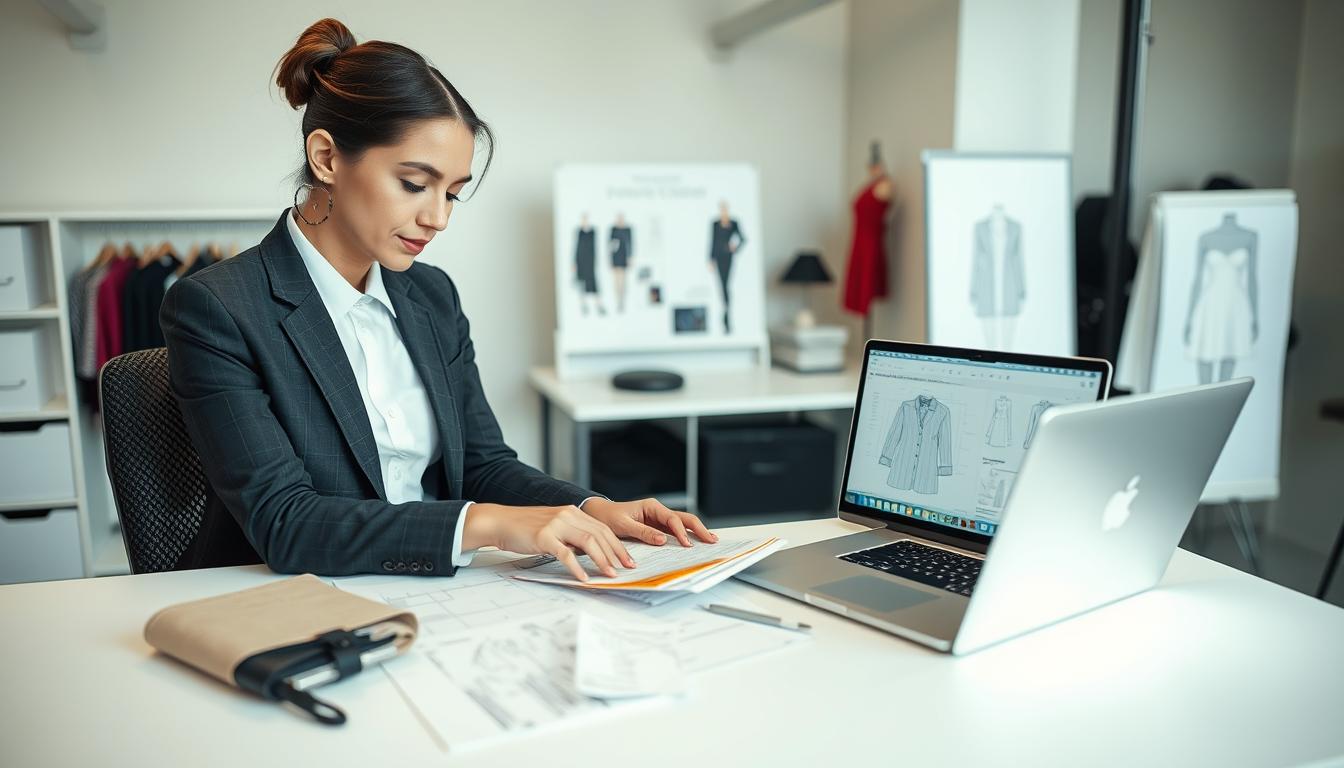
Finding the right fashion manufacturer is one of the most critical decisions you’ll make for your clothing brand. The manufacturer you choose will directly impact your product quality, delivery timelines, profit margins, and ultimately, your brand’s reputation. Whether you’re launching your first collection or looking to scale production, this comprehensive guide will walk you through the essential steps to find and partner with a manufacturer that aligns with your vision, quality standards, and business goals.
With the right approach, you can build a manufacturing partnership that not only brings your designs to life but also supports your brand’s growth for years to come. Let’s explore how to navigate this crucial process with confidence.
Preparation: Before You Start Your Search
Before diving into your search for a fashion manufacturer, proper preparation is essential. This groundwork will help you communicate your needs clearly and find the right manufacturing partner more efficiently.
Define Your Product Specifications
Start by clearly defining what you want to produce. The more specific you can be, the better manufacturers can assess if they’re the right fit for your project.
- Identify your garment type (t-shirts, dresses, outerwear, etc.)
- Determine fabric requirements and material specifications
- Consider product complexity (simple construction vs. detailed work)
- Define any special techniques required (embroidery, printing, washing)
- Clarify your quality standards and expectations
Determine Your Production Volume
Your production volume significantly impacts which manufacturers will be suitable for your project. Different factories specialize in different production scales.
Small Batch Production
- Typically 50-300 units per style
- Higher cost per unit but lower upfront investment
- Often domestic manufacturers or specialized workshops
- Good for testing market response before scaling
Large Scale Production
- 500+ units per style (often 1000+ minimum)
- Lower cost per unit but higher total investment
- Usually overseas manufacturers with larger facilities
- Better for established brands with proven demand
Create Technical Packages (Tech Packs)
A tech pack is the blueprint for your product that communicates all necessary details to the manufacturer. A comprehensive tech pack typically includes:
- Detailed sketches (front, back, and side views)
- Construction details and assembly instructions
- Material specifications and required quantities
- Measurement specifications for all sizes
- Trim details (buttons, zippers, labels, etc.)
- Color specifications with Pantone codes
- Packaging requirements
The more detailed your tech pack, the fewer misunderstandings will occur during production. This document is essential for obtaining accurate quotes and ensuring your final product matches your vision.
Set Your Budget and Timeline
Before approaching manufacturers, establish clear parameters for:
- Production budget (per unit and total investment)
- Expected timeline from sampling to final delivery
- Seasonal requirements and market deadlines
- Flexibility in budget and timeline for negotiation
Having these figures ready will help you quickly eliminate manufacturers that don’t align with your constraints and focus on viable options.
Where to Find Fashion Manufacturers
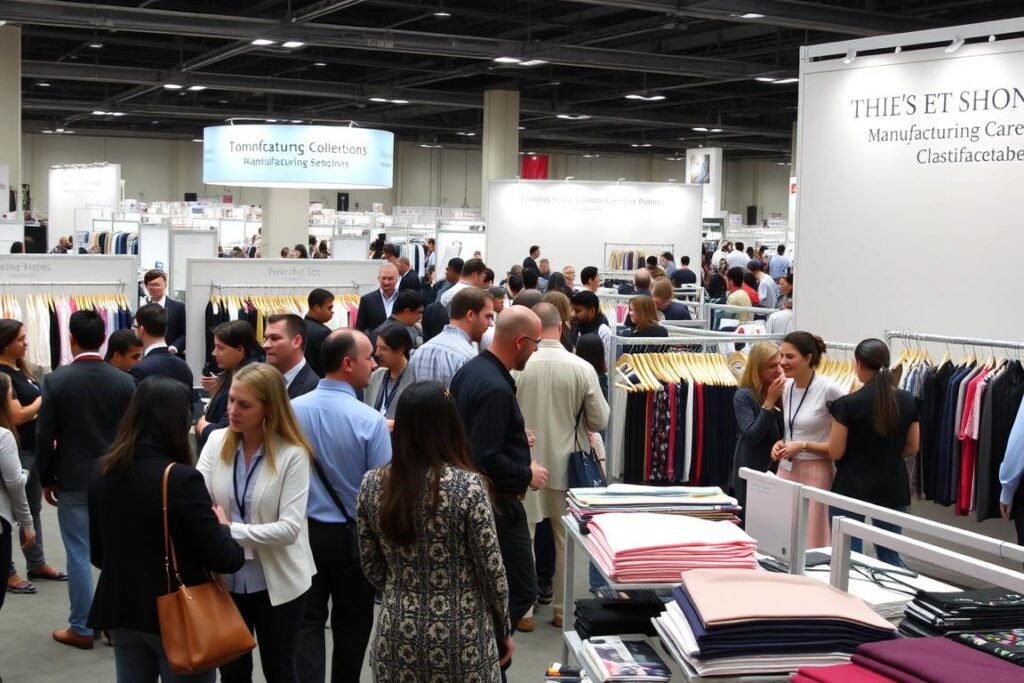
With your preparation complete, it’s time to start searching for potential manufacturing partners. There are multiple channels to explore, each with its own advantages and considerations.
Domestic vs. International Manufacturers
Domestic Manufacturers: Advantages
- Easier communication (same language, time zone)
- Faster shipping and lower freight costs
- Simpler logistics and customs procedures
- Better intellectual property protection
- Ability to visit facilities more easily
- “Made in [Country]” marketing advantage
International Manufacturers: Challenges
- Potential language barriers and communication issues
- Time zone differences affecting response times
- Longer shipping times and higher freight costs
- Complex customs and import procedures
- More difficult to verify working conditions
- Intellectual property protection concerns
Your choice between domestic and international manufacturing should balance cost considerations with your brand values, quality requirements, and logistical needs.
Online Platforms and Directories
Several online platforms specialize in connecting brands with manufacturers:
Industry-Specific Directories
- Maker’s Row (US-focused)
- Sourcify (global)
- Common Objective (ethical focus)
- Sqetch (European focus)
General B2B Platforms
- Alibaba (primarily Asian)
- Thomasnet (US-focused)
- Kompass (global)
- Global Sources (Asian focus)
Sustainability-Focused
- Sourcing Journal
- Textile Exchange
- Sedex
- Ethical Fashion Forum
These platforms often allow you to filter by location, minimum order quantities, specialties, and certifications to find manufacturers that match your specific requirements.
Trade Shows and Industry Events
Trade shows provide valuable opportunities to meet manufacturers face-to-face and evaluate their work firsthand:
- Texworld – Held in Paris, New York, and other locations
- Magic – Major fashion trade show in Las Vegas
- Première Vision – Prestigious textile and manufacturing show in Paris
- Apparel Textile Sourcing – Shows in Canada, Miami, and Germany
- Sourcing at Magic – Manufacturing-focused section of Magic
Attending these events allows you to see sample quality, meet representatives in person, and often discover manufacturers that don’t have a strong online presence.
Networking and Referrals
Some of the best manufacturing partnerships come through personal connections:
- Connect with other fashion entrepreneurs and designers
- Join industry-specific groups on LinkedIn and Facebook
- Participate in fashion incubator programs
- Reach out to fashion schools for their industry contacts
- Consult with industry consultants who have established networks
Personal referrals often lead to more reliable partnerships, as the manufacturer’s track record has been verified by someone you trust.
Skip the Search, Access Vetted Manufacturers
Finding reliable fashion manufacturers can be time-consuming and risky. Our network includes over 200 vetted manufacturers across Europe and Bangladesh, all meeting strict quality and ethical standards. Save weeks of research and avoid costly mistakes.
Or call us directly to discuss your manufacturing needs:
How to Evaluate and Vet Potential Manufacturers

Finding potential manufacturers is just the first step. The next crucial phase is thoroughly vetting them to ensure they can meet your quality standards, production requirements, and align with your brand values.
Initial Assessment Criteria
Begin your evaluation with these fundamental criteria:
- Experience and specialization – Do they have experience with your specific garment type?
- Production capacity – Can they handle your order volume within your timeframe?
- Minimum order quantities (MOQs) – Do their minimums align with your production needs?
- Sample capabilities – Can they produce high-quality samples before full production?
- Quality control processes – What systems do they have in place to ensure consistent quality?
- Communication responsiveness – How quickly and clearly do they respond to inquiries?
Checking Credentials and Experience
Dig deeper into each manufacturer’s background:
- Request their company profile and years in business
- Ask for references from current or previous clients
- Review their portfolio of previous work
- Check for industry certifications and compliance standards
- Research their reputation through industry contacts
- Verify their business registration and legal status
Don’t hesitate to ask for client references and follow up with them. A reputable manufacturer should be willing to provide references from brands similar to yours.
Requesting and Evaluating Samples
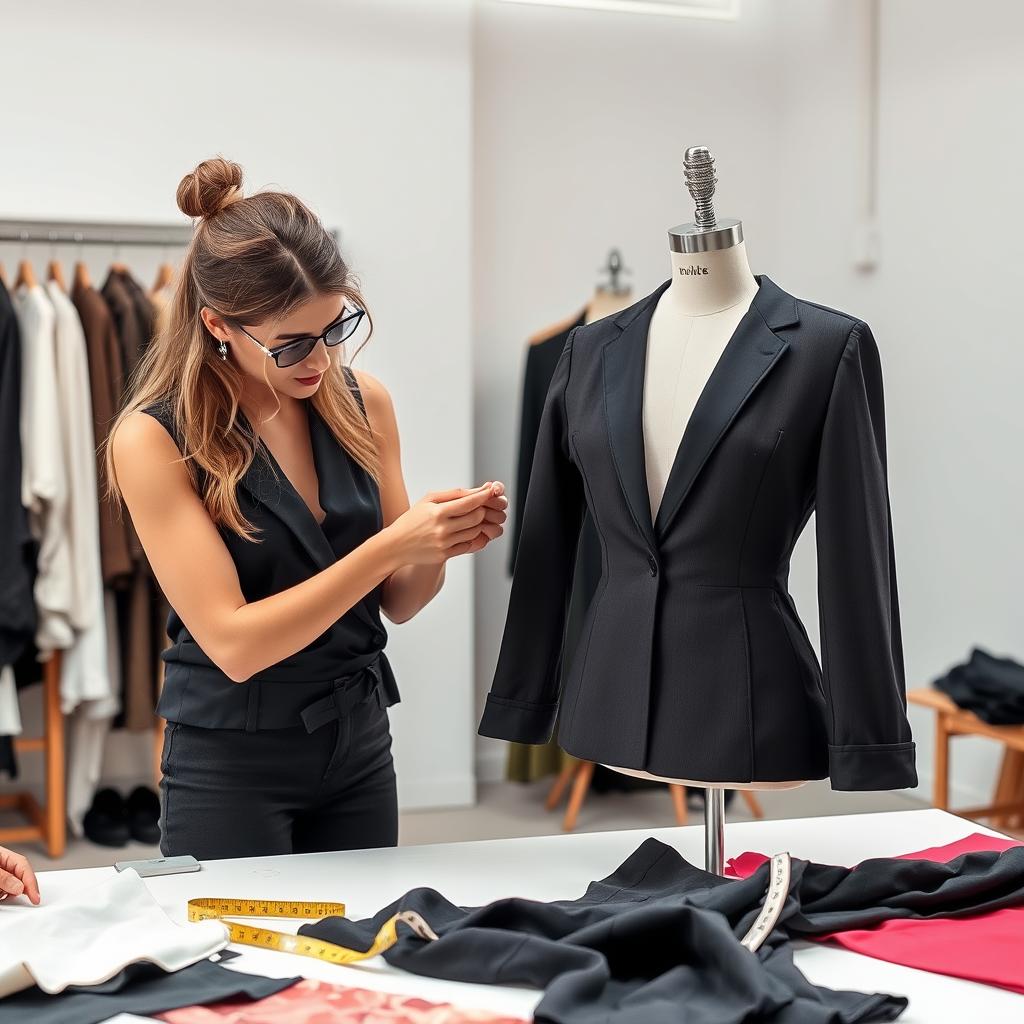
Sample evaluation is perhaps the most critical step in the vetting process:
- Request samples of previous work similar to your product
- Commission a custom sample of your specific design
- Evaluate material quality, stitching precision, and overall construction
- Check for consistency across multiple samples
- Test durability through washing, wearing, and stress testing
- Compare samples from different manufacturers side by side
Be prepared to pay for custom samples—this is standard industry practice and demonstrates your seriousness as a client. The sample development process also gives you insight into how the manufacturer communicates and handles feedback.
Assessing Ethical and Sustainability Practices
For many brands, ethical manufacturing is increasingly important:
- Verify working conditions and fair labor practices
- Check for certifications like WRAP, SA8000, or BSCI
- Inquire about environmental policies and waste management
- Ask about sustainable material sourcing options
- Consider requesting a factory audit or visit
If possible, visiting the manufacturing facility in person provides the most accurate assessment of their operations and working conditions.
Understanding Their Capabilities and Limitations
Be clear about what each manufacturer can and cannot do:
| Capability | Questions to Ask | Why It Matters |
| Production Types | What garment types do you specialize in? | Ensures they have expertise with your specific product |
| Technical Skills | What specialized techniques can you handle? | Confirms they can execute your design details |
| Material Sourcing | Do you source materials or work with client-provided materials? | Determines if you need separate material sourcing |
| Production Capacity | How many units can you produce monthly? | Ensures they can scale with your growth |
| Lead Times | What are typical lead times for sampling and production? | Affects your planning and go-to-market timeline |
Understanding Costs and Negotiating Terms
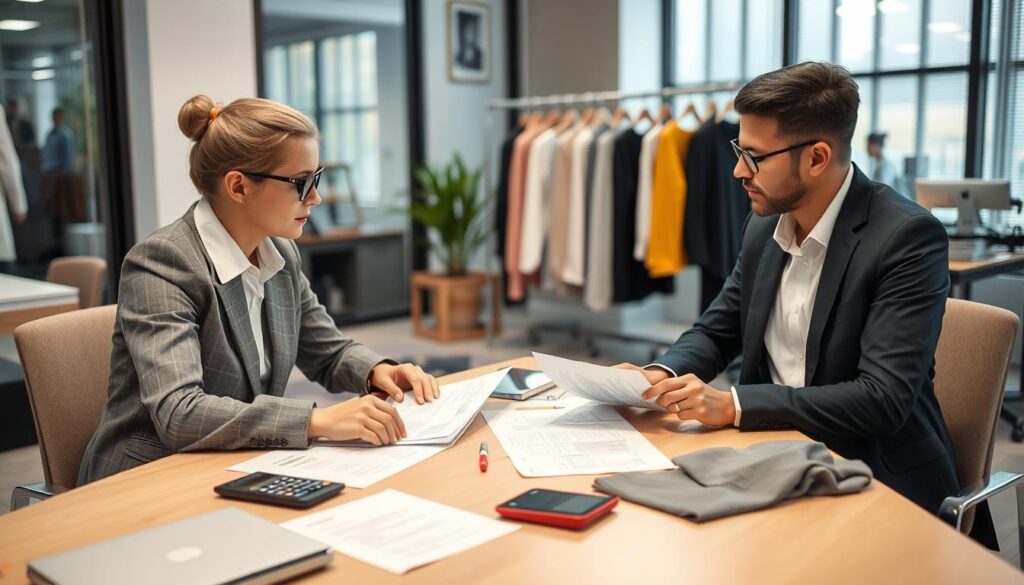
Once you’ve identified promising manufacturers, it’s time to understand their cost structure and negotiate favorable terms for your partnership.
Breaking Down Manufacturing Costs
Manufacturing costs include more than just the per-unit production price:
- Material costs – Fabric, trims, labels, and packaging
- Labor costs – Cutting, sewing, finishing, and quality control
- Development costs – Pattern making, sampling, and revisions
- Setup fees – Pattern grading, marker making, and production setup
- Overhead costs – Facility operation, management, and compliance
- Shipping and logistics – Transportation, customs, and duties
Request detailed breakdowns of quotes to understand exactly what you’re paying for and identify potential areas for cost optimization.
Negotiating Minimum Order Quantities (MOQs)
Minimum order quantities can be a significant hurdle for new brands:
- Ask if MOQs can be reduced for first orders or by combining colorways
- Consider starting with a smaller test order at a higher price point
- Propose a growth plan that commits to larger orders over time
- Explore the possibility of sharing production runs with other brands
- Negotiate gradual delivery schedules to spread out production
Remember that manufacturers set MOQs based on their operational efficiency, so there are limits to how low they can go while remaining profitable.
Payment Terms and Schedules
Standard payment terms in the fashion industry typically follow this structure:
- 30-50% deposit upon order confirmation
- Balance payment before shipping or net 30 after delivery
- Sample costs paid separately and upfront
As a new client, expect to pay more upfront initially. As you build a relationship with the manufacturer, you may be able to negotiate more favorable terms.
Contracts and Agreements
Always formalize your manufacturing relationship with clear contracts that cover:
- Detailed product specifications and quality standards
- Pricing structure and payment terms
- Production timeline and delivery schedule
- Intellectual property protection
- Quality control procedures and acceptance criteria
- Procedures for handling defects or delays
- Confidentiality agreements
Consider having contracts reviewed by a lawyer familiar with the fashion industry and international manufacturing if applicable.
Understanding the Production Process
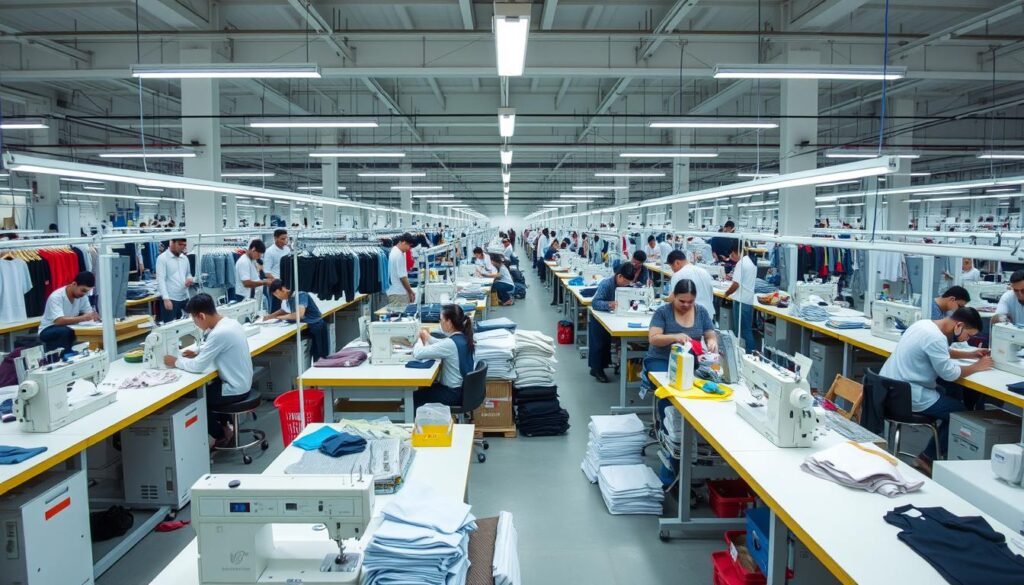
Familiarizing yourself with the typical production process helps you manage expectations and plan effectively for your manufacturing timeline.
The Typical Production Timeline
- Sample Development (2-4 weeks): Creating and refining prototypes based on your tech pack
- Pattern Making and Grading (1-2 weeks): Finalizing patterns and scaling for different sizes
- Material Sourcing (3-8 weeks): Ordering and receiving fabrics and trims
- Pre-Production Sample (1-2 weeks): Creating a final sample for approval before bulk production
- Bulk Production (4-12 weeks): Manufacturing your order at scale
- Quality Control (1-2 weeks): Inspecting finished products before shipping
- Shipping and Logistics (1-8 weeks): Transporting goods to your destination
These timeframes can vary significantly based on order complexity, manufacturer location, and production volume. Always build buffer time into your planning to account for unexpected delays.
Quality Control Measures
Effective quality control is essential for maintaining consistent product standards:
- Pre-production approval – Approve all materials and final samples
- In-line inspections – Check quality during production
- Final inspection – Verify finished products before shipping
- AQL standards – Use Acceptable Quality Level standards to define acceptable defect rates
- Third-party inspections – Consider hiring independent quality control services
Clearly define your quality standards in writing and ensure the manufacturer understands your expectations before production begins.
Common Production Challenges
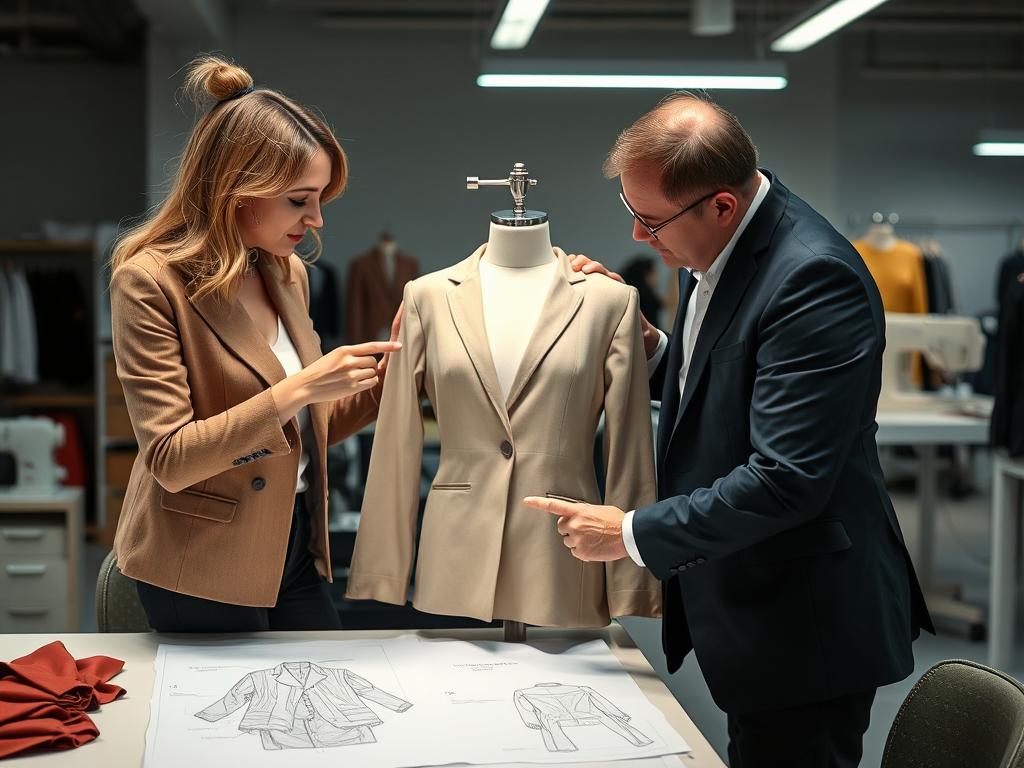
Be prepared to address these common challenges during production:
- Material delays – Fabric or trim suppliers missing deadlines
- Quality inconsistencies – Variations in color, sizing, or construction
- Communication issues – Misunderstandings due to language or cultural differences
- Production delays – Capacity issues or technical challenges
- Shipping complications – Customs delays or transportation issues
Having contingency plans for these scenarios can help minimize their impact on your timeline and budget.
Building Strong Manufacturer Relationships

The most successful fashion brands build long-term relationships with their manufacturers, creating partnerships that grow stronger over time.
Communication Best Practices
Effective communication is the foundation of a successful manufacturing relationship:
- Establish clear communication channels and points of contact
- Set expectations for response times and update frequency
- Document all important discussions and decisions in writing
- Be mindful of cultural differences and language barriers
- Use visual references whenever possible to avoid misunderstandings
- Schedule regular check-ins during production
Remember that communication is a two-way street—be responsive to your manufacturer’s questions and concerns as well.
Planning for Growth and Scalability
As your brand grows, your manufacturing needs will evolve:
- Discuss growth plans with your manufacturer early on
- Understand their capacity limits and expansion capabilities
- Plan seasonal production schedules in advance
- Consider developing relationships with multiple manufacturers for different product types
- Gradually increase order volumes as you build trust and sales history
A manufacturer that can scale with your brand is invaluable, saving you the time and effort of finding new partners as you grow.
Handling Challenges and Disputes
Even in the best partnerships, challenges will arise:
- Address issues promptly and directly
- Focus on solutions rather than blame
- Document problems and resolution attempts
- Be willing to compromise when appropriate
- Understand the manufacturer’s perspective and constraints
- Have clear escalation procedures for serious issues
How you handle difficulties often determines whether your manufacturing relationship strengthens or deteriorates over time.
Secure Your Manufacturing Partnership
Finding and vetting manufacturers can be overwhelming. Our team provides end-to-end support, from manufacturer selection to production oversight, ensuring quality, compliance, and on-time delivery. We’ve helped over 150 European brands successfully produce in Bangladesh while maintaining EU quality standards.
Or call us directly to discuss your manufacturing needs:
Red Flags to Watch For When Selecting a Manufacturer
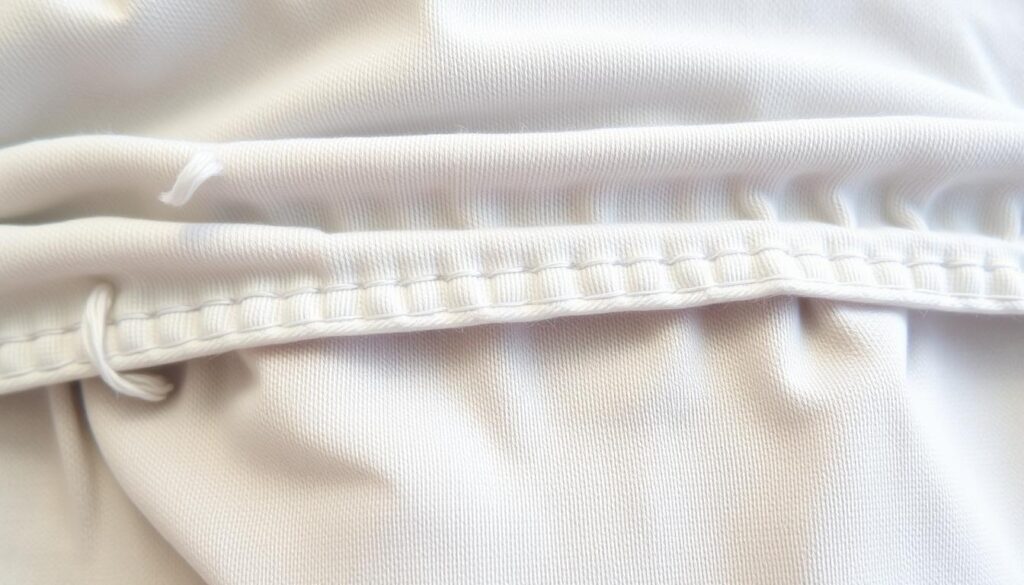
Being aware of warning signs can help you avoid problematic manufacturing partnerships before they impact your business.
Communication Red Flags
- Slow or inconsistent responses to inquiries
- Vague answers to specific questions
- Reluctance to provide references or examples
- Pushing for large orders or deposits immediately
- Unwillingness to sign formal agreements
Quality and Capability Red Flags
- Poor quality samples with obvious defects
- Inability to meet basic quality standards
- Significant discrepancies between samples
- Reluctance to allow facility visits or inspections
- Lack of proper equipment or skilled workers
Business Practice Warning Signs
- Unusually low prices – May indicate corners being cut on quality or ethics
- Demanding full payment upfront – Standard practice is partial deposit only
- No formal contracts or agreements – Indicates lack of professionalism
- Inability to provide business registration – May not be a legitimate operation
- Resistance to quality control procedures – Suggests potential quality issues
- Unwillingness to discuss ethical practices – May indicate labor or environmental concerns
Trust your instincts—if something feels off about a potential manufacturer, it’s worth investigating further or considering other options.
Alternative Manufacturing Options
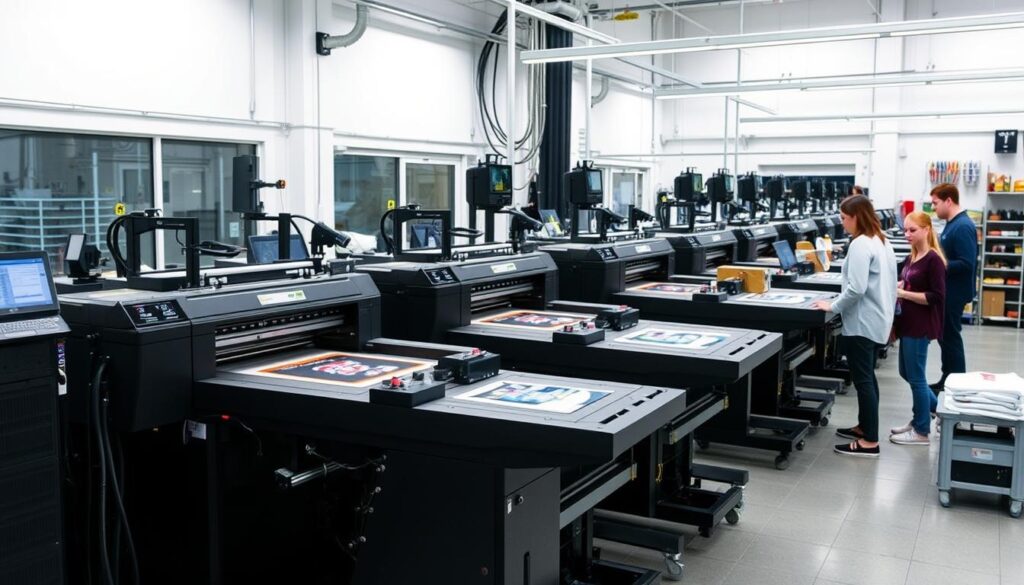
Traditional manufacturing isn’t the only option for fashion brands. Consider these alternatives that might better suit your specific needs:
Print-on-Demand Services
Print-on-demand (POD) offers a low-risk entry point for new brands:
- No minimum orders—produce one item at a time
- No inventory risk or upfront production costs
- Quick setup with minimal technical requirements
- Limited to specific base garments and printing techniques
- Higher per-unit costs compared to bulk manufacturing
- Less control over garment quality and construction
POD works best for graphic-focused designs on standard garment types like t-shirts, hoodies, and simple accessories.
Small Batch Manufacturing
Small batch production bridges the gap between one-offs and mass manufacturing:
- Typically 10-200 units per style
- Lower MOQs but higher per-unit costs
- More design flexibility than POD
- Often local or domestic production
- Faster turnaround times than large-scale manufacturing
- Good for testing market response before scaling
Many small batch manufacturers specialize in working with emerging designers and startups.
Manufacturing Agents and Intermediaries
Working with agents can simplify the manufacturing process:
- Agents handle manufacturer sourcing and management
- Provide local representation in manufacturing countries
- Manage quality control and production oversight
- Navigate language and cultural barriers
- Add a layer of cost (typically 5-15% commission)
- Reduce direct control over manufacturer relationships
Agents can be particularly valuable when working with overseas manufacturers for the first time.
Conclusion: Finding Your Perfect Manufacturing Partner
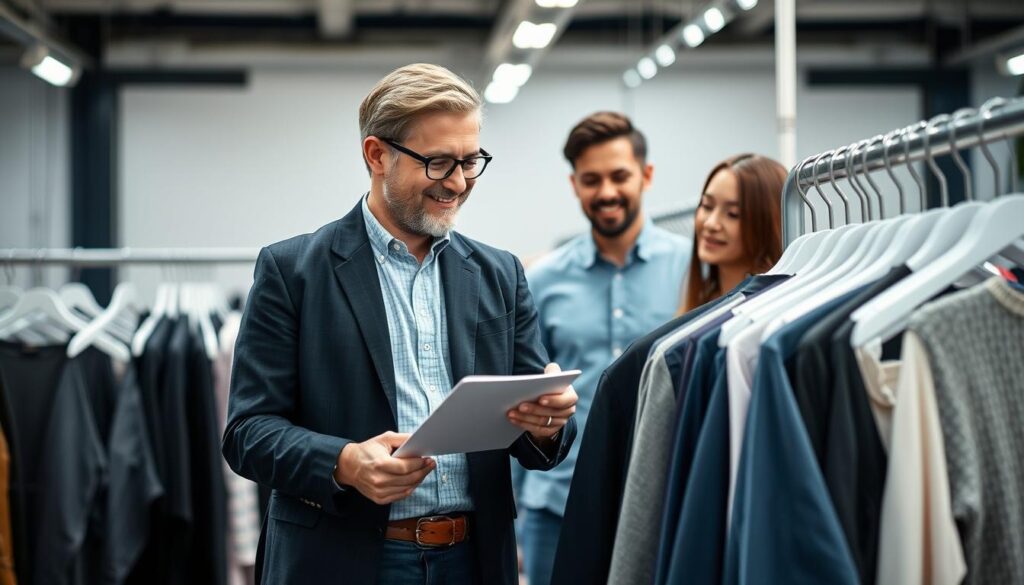
Finding the right fashion manufacturer is a journey that requires thorough research, careful vetting, and clear communication. The manufacturer you choose will be more than just a supplier—they’ll be a crucial partner in bringing your creative vision to life and building your brand’s reputation for quality.
Remember that the best manufacturing relationships develop over time. Start with clear expectations, maintain open communication, and be willing to work through challenges together. As your brand grows, your manufacturing partnerships will evolve, potentially spanning different facilities for different product types or production volumes.
By following the steps outlined in this guide—from thorough preparation to careful vetting and relationship building—you’ll be well-equipped to find manufacturing partners that align with your brand’s values, quality standards, and business goals.
Ready to Find Your Perfect Manufacturing Match?
Skip the trial and error. Our team has vetted over 200 manufacturers across Europe and Bangladesh to find those that deliver exceptional quality, ethical practices, and reliable service. We provide full legal protection and quality guarantees for every production run.
Or call us directly to discuss your manufacturing needs: