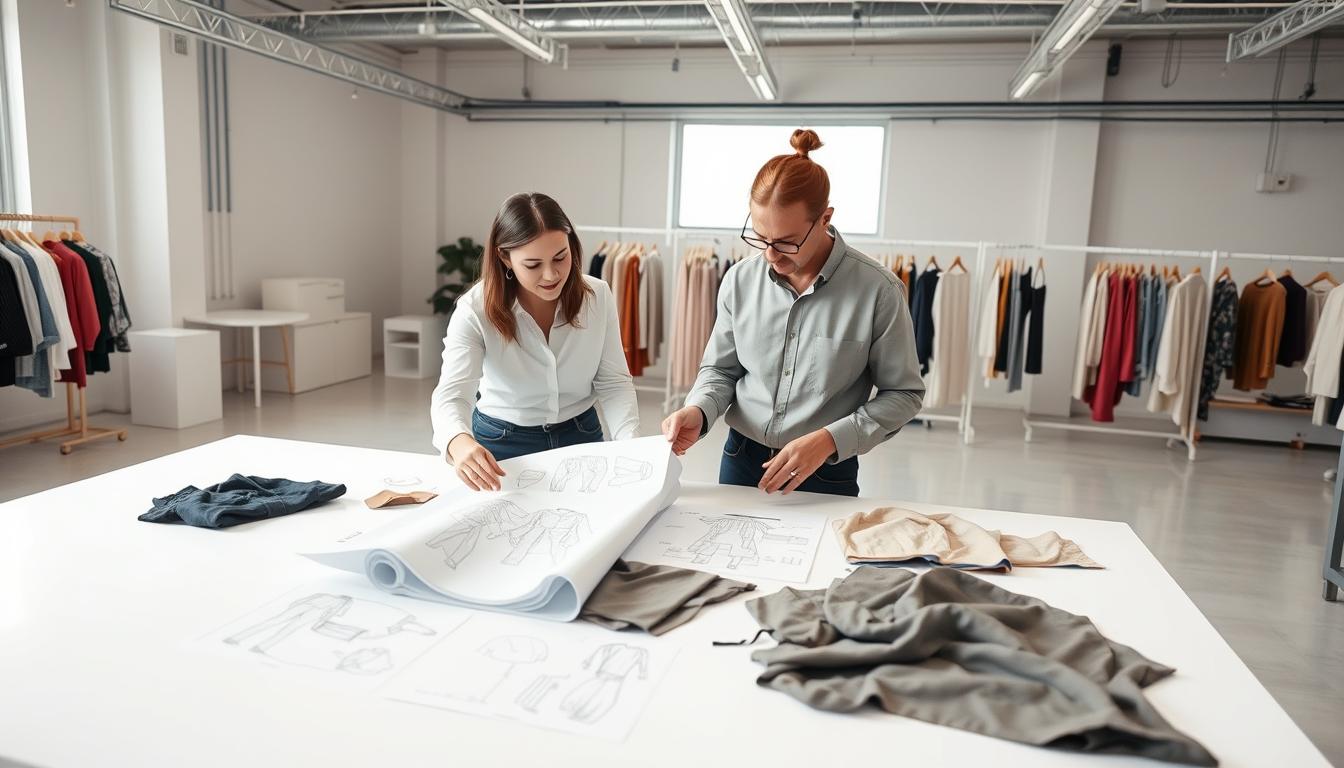
In the competitive fashion industry, partnering with the right wholesale women’s clothing manufacturer can make or break your business. Whether you’re launching a new clothing line, expanding your boutique inventory, or seeking to improve your current manufacturing relationships, choosing the perfect manufacturing partner requires careful consideration of numerous factors. This comprehensive guide will walk you through everything you need to know about selecting, vetting, and working with clothing manufacturers that can deliver the quality and reliability your business demands.
Ready to find your ideal manufacturing partner?
Get personalized recommendations for wholesale women’s clothing manufacturers that match your specific requirements.
Why Choosing the Right Wholesale Women’s Clothing Manufacturer Matters
Your choice of clothing manufacturer directly impacts your product quality, profit margins, delivery timelines, and ultimately, customer satisfaction. A reliable manufacturing partner becomes an extension of your business, translating your creative vision into tangible products that meet your specifications and quality standards.
The right wholesale women’s clothing manufacturer doesn’t just produce garments—they provide valuable industry insights, help navigate production challenges, and contribute to your brand’s growth and success. Conversely, partnering with the wrong manufacturer can lead to quality issues, missed deadlines, communication problems, and significant financial losses.
“The relationship between a brand and its manufacturer is one of the most critical partnerships in the fashion business. When it works well, it becomes a competitive advantage that’s difficult for others to replicate.”
Key Factors to Consider When Selecting a Wholesale Women’s Clothing Manufacturer
Finding the ideal manufacturing partner requires evaluating several critical factors that will influence your production process, product quality, and business operations.
Production Quality
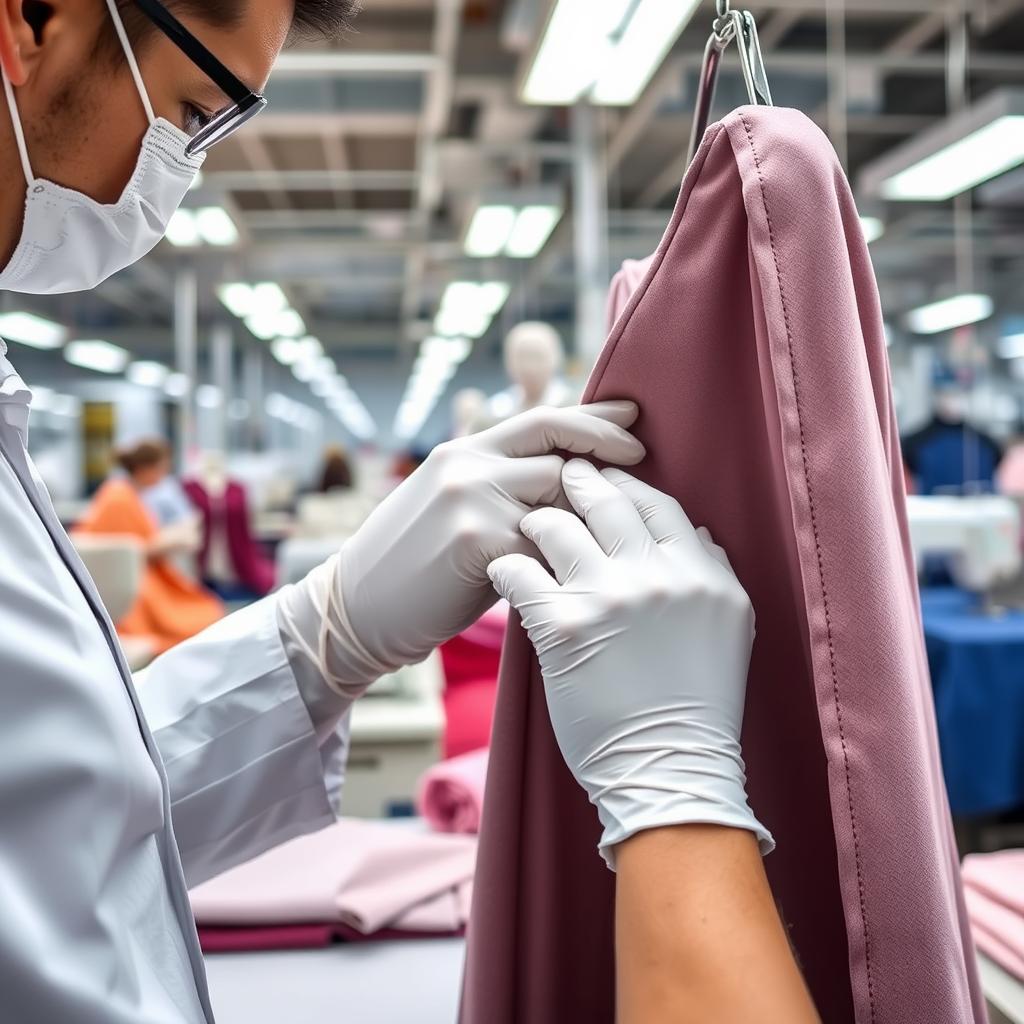
The quality of your garments directly reflects on your brand. Assess manufacturers based on their craftsmanship, attention to detail, and consistency across production runs. Request samples before committing to large orders, and examine stitching, fabric quality, and overall construction.
Minimum Order Quantities (MOQs)
MOQs vary significantly between manufacturers and can range from 50 to 1,000+ pieces per style. For new brands or boutiques, finding manufacturers with lower MOQs is often crucial. Some clothing factories offer flexible MOQs for first-time orders or are willing to negotiate based on your overall business potential.

Pricing Structure
Understanding a manufacturer’s pricing model is essential for your profit margins. Request detailed cost breakdowns that include materials, labor, packaging, and any additional fees. Be wary of manufacturers with prices significantly below market rates, as this often indicates compromises in quality or ethical standards.

Lead Times
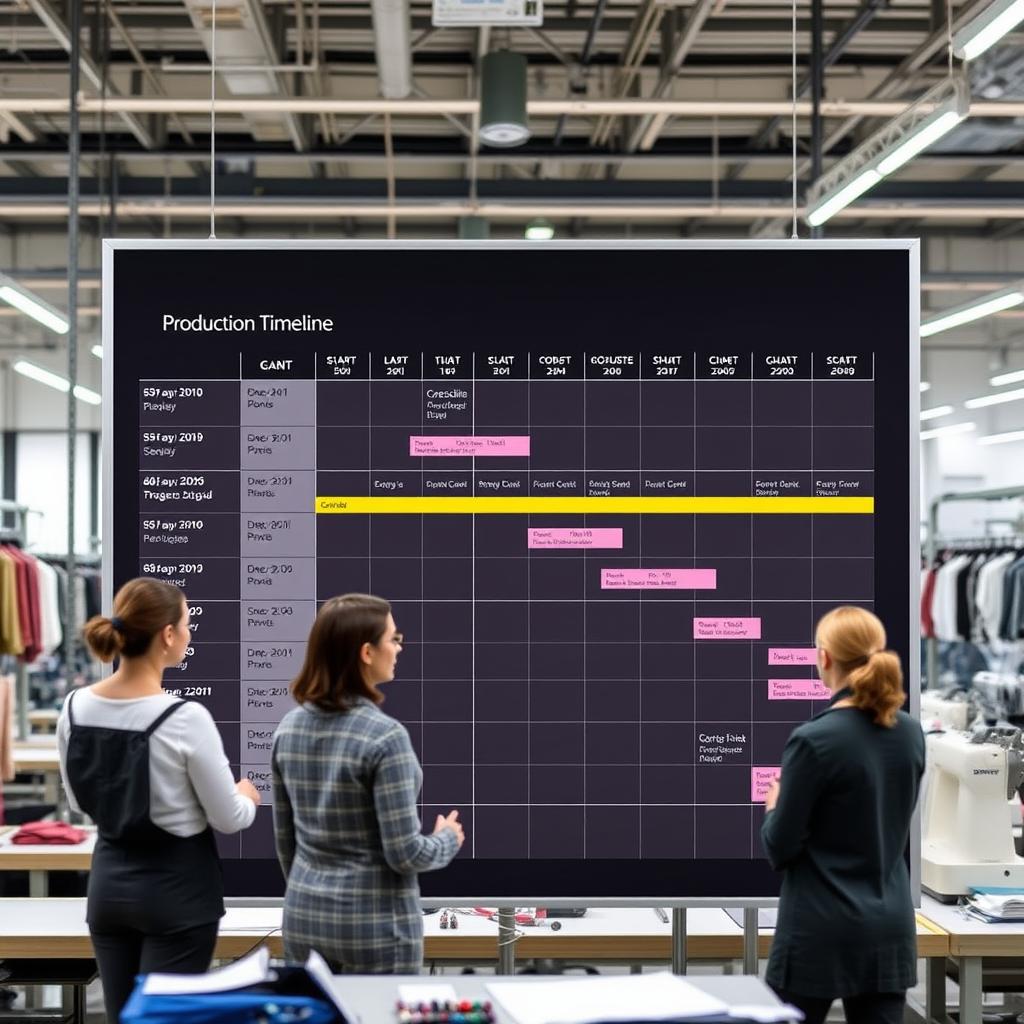
Production and shipping timelines significantly impact your inventory planning and sales cycles. Typical lead times range from 30 to 90 days, depending on order complexity, quantity, and the manufacturer’s capacity. Discuss realistic timelines and ensure the manufacturer can accommodate your seasonal requirements.
Customization Capabilities
The ability to customize designs, fabrics, colors, and branding elements is crucial for creating unique products. Evaluate manufacturers based on their design capabilities, pattern-making expertise, and willingness to accommodate your specific requirements. Some clothing suppliers offer full-package services, while others require more detailed technical specifications.

Communication
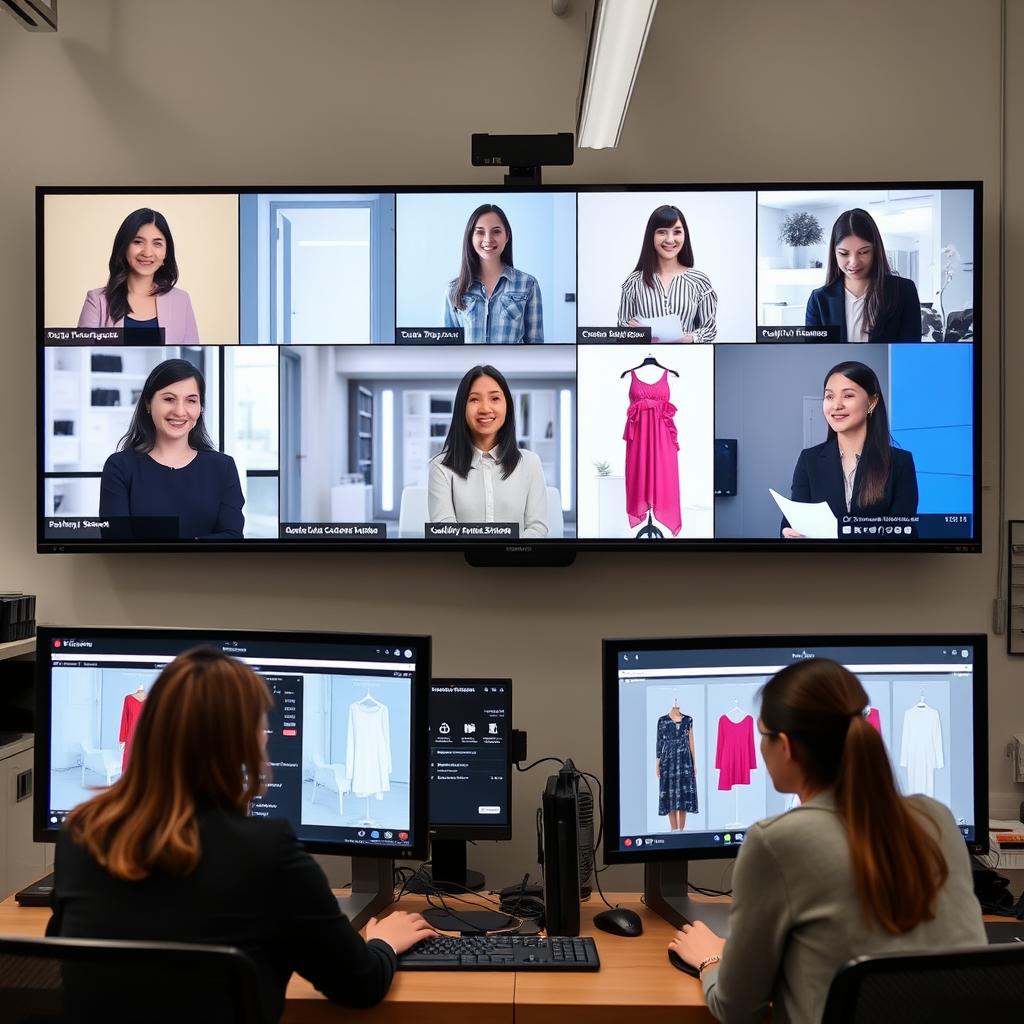
Clear, consistent communication is the foundation of successful manufacturing partnerships. Assess potential manufacturers based on their responsiveness, English proficiency (for international suppliers), and transparency. Regular updates, willingness to address concerns, and open dialogue about challenges indicate a reliable partner.
Not sure which factors matter most for your business?
Download our comprehensive manufacturer evaluation checklist to help prioritize your specific requirements.
Types of Manufacturing Services for Women’s Clothing
Understanding the different manufacturing service models will help you choose the option that best aligns with your business capabilities and needs.
Private Label Manufacturing
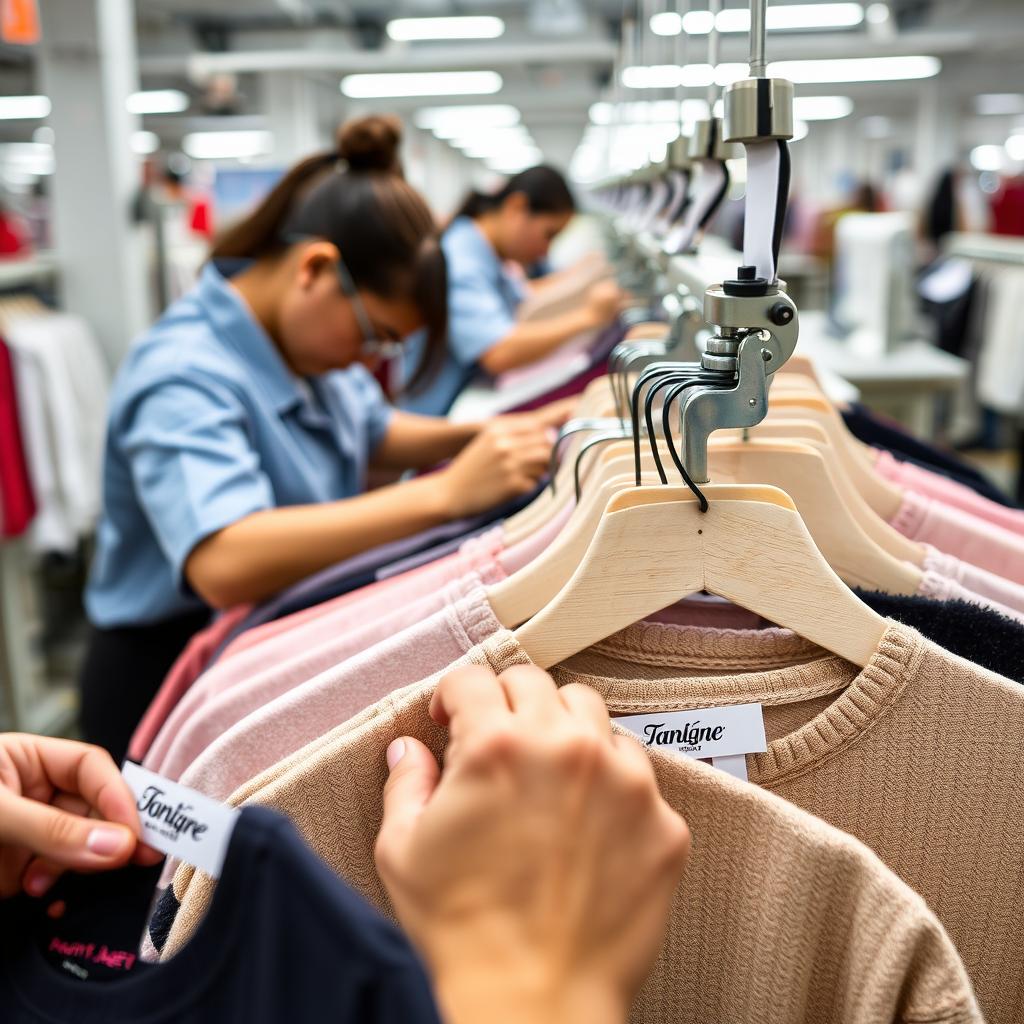
Private label manufacturing allows you to select from a manufacturer’s existing designs and apply your own branding. This approach requires minimal design input while still creating a unique product line. It’s ideal for businesses with limited design resources or those looking to launch quickly.
Custom Design Manufacturing
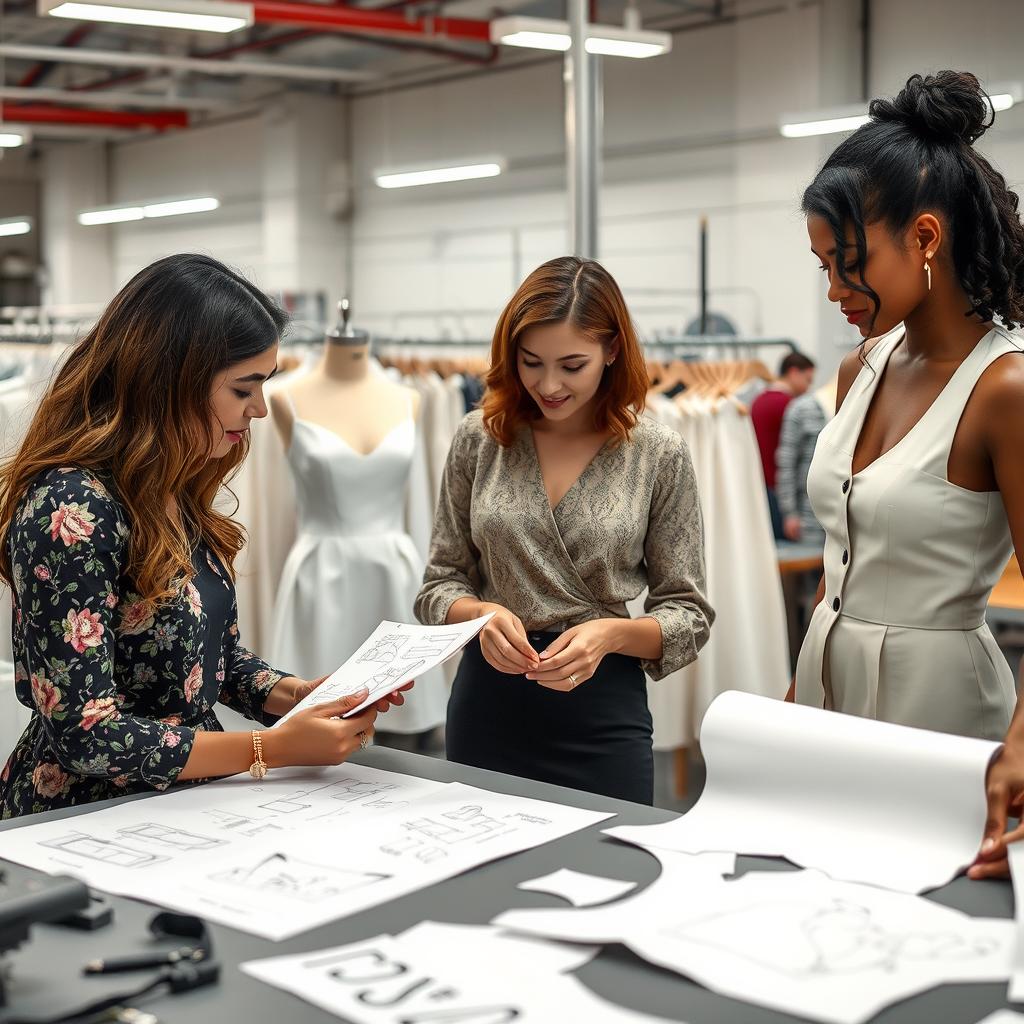
Custom design manufacturing involves creating unique garments based on your specific designs. This service requires detailed technical specifications but offers complete creative control. Manufacturers may provide varying levels of design support, from basic pattern-making to full development assistance.
Original Equipment Manufacturing (OEM)
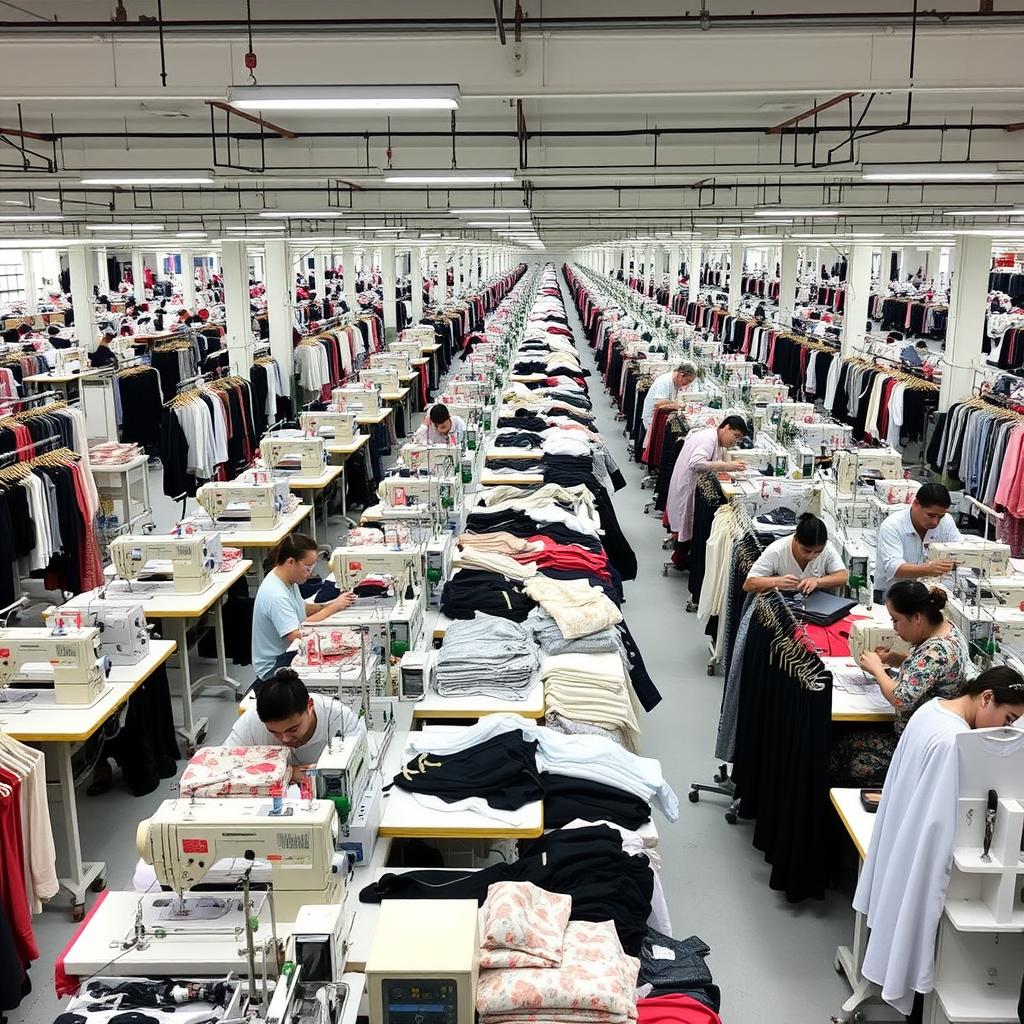
OEM services provide end-to-end production based on your detailed specifications. The manufacturer handles all aspects of production, from sourcing materials to final packaging, according to your requirements. This approach is ideal for established brands with clear production standards.
| Manufacturing Type | Design Input Required | Typical MOQs | Lead Times | Best For |
| Private Label | Minimal (brand elements only) | 100-300 pieces per style | 30-45 days | New brands, boutiques with limited design resources |
| Custom Design | Substantial (designs, tech packs) | 300-500 pieces per style | 45-75 days | Established brands with unique design vision |
| OEM | Comprehensive (complete specifications) | 500-1000+ pieces per style | 60-90 days | Large retailers, brands with standardized production |
How to Evaluate Wholesale Women’s Clothing Manufacturer Credibility
Thoroughly vetting potential manufacturing partners is essential to avoid costly mistakes and ensure reliable production.
Verification Checklist
- Request and verify business licenses and certifications
- Check manufacturing capacity and equipment capabilities
- Review quality control processes and standards
- Assess compliance with labor and environmental regulations
- Verify industry experience and specialization in women’s clothing
- Request client references and portfolio of past work
- Evaluate financial stability and business longevity
- Assess communication systems and responsiveness

Red Flags to Watch For
Warning Signs
- Reluctance to provide samples or factory tours
- Unusually low prices compared to market standards
- Unwillingness to sign contracts or agreements
- Vague responses about production capabilities
- Poor communication or excessive delays in responses
- Inability to provide references or portfolio examples
- Lack of transparency about subcontracting practices
- Inconsistent quality between samples and production runs
Positive Indicators
- Transparent communication about capabilities and limitations
- Willingness to provide samples and references
- Clear quality control processes and standards
- Detailed documentation and contracts
- Prompt responses to inquiries and concerns
- Industry certifications and compliance documentation
- Consistent quality across production runs
- Proactive problem-solving approach
Need help evaluating potential manufacturing partners?
Our team can help you assess and verify wholesale women’s clothing manufacturers based on your specific requirements.
Geographic Considerations: Domestic vs. International Manufacturers
Your choice between domestic and international manufacturing will significantly impact costs, lead times, quality control, and overall production management.
Domestic Manufacturing (USA-Based)
Domestic manufacturers offer easier communication, faster shipping, and simpler quality control. They typically provide better intellectual property protection and eliminate import duties. However, production costs are significantly higher, and capacity may be more limited.
International Manufacturing
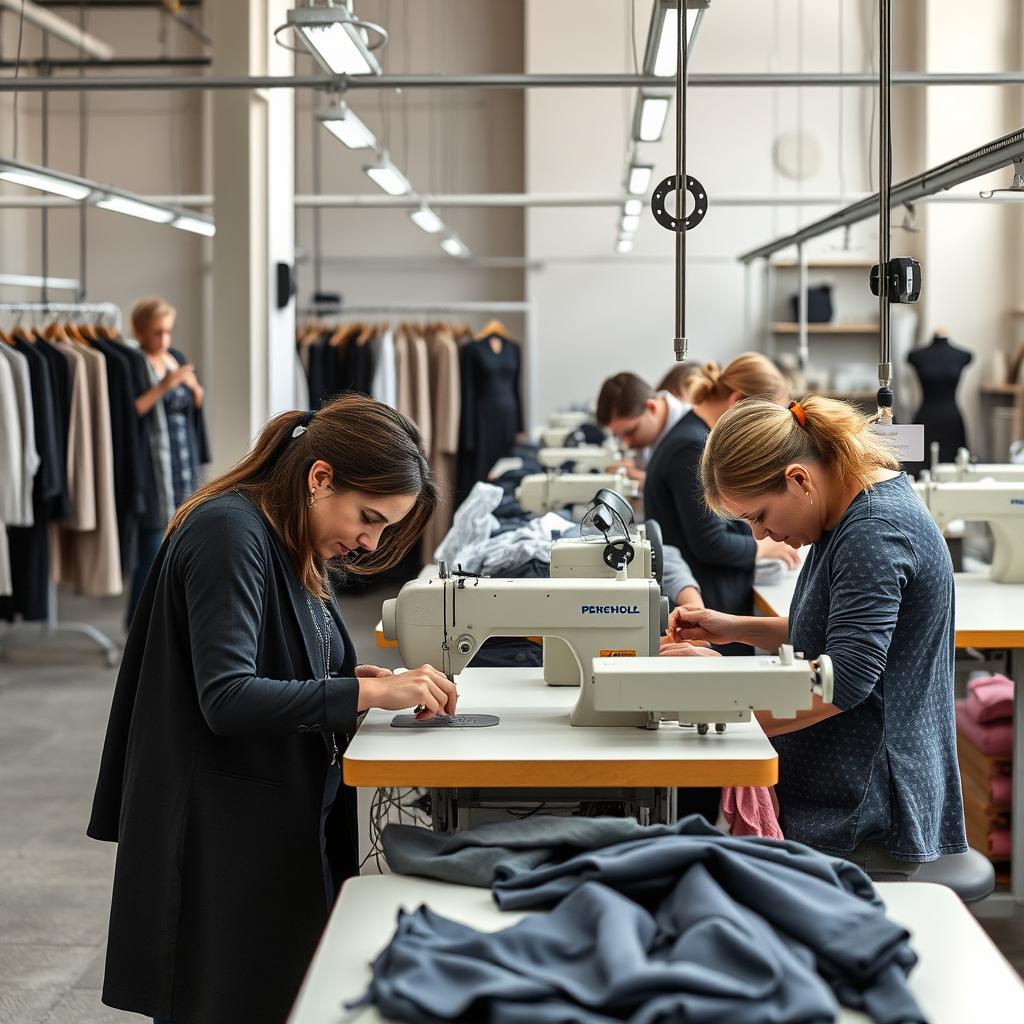
International manufacturers offer significantly lower production costs and often have larger capacity. Many specialize in specific garment types, providing expertise in particular product categories. However, they present challenges with longer lead times, potential communication barriers, and more complex quality control processes.
Key Manufacturing Regions
Asia
Countries: China, Bangladesh, Vietnam, India
Advantages: Lowest production costs, extensive textile resources, large capacity
Challenges: Longer shipping times, potential communication barriers, varying quality standards

Europe
Countries: Turkey, Portugal, Italy, Romania
Advantages: Higher quality standards, faster shipping to European markets, design expertise
Challenges: Higher costs than Asia, smaller production capacity
Americas
Countries: USA, Mexico, Colombia, Peru
Advantages: Faster shipping to North American markets, easier communication, better IP protection
Challenges: Higher costs, varying specializations

Essential Industry Terminology for Working with Clothing Manufacturers
Understanding key manufacturing terms will help you communicate effectively with potential partners and navigate the production process.
Minimum Order Quantity (MOQ)
The smallest number of units a manufacturer will produce in a single order. MOQs typically apply per style and color combination and can range from 50 to 1,000+ pieces depending on the manufacturer.
Tech Pack
A comprehensive document containing all technical specifications needed to produce a garment, including measurements, materials, colors, trims, construction details, and packaging requirements. A complete tech pack is essential for custom manufacturing.
Sampling
The process of creating prototype garments before full production. Common sample types include:
- Development Sample: Initial prototype to test design concept
- Fit Sample: Used to verify sizing and fit
- Pre-production Sample: Final approval sample before mass production
- Counter Sample: Reference sample for quality control during production
Lead Time
The total time required from order placement to delivery. Lead time includes:
- Material Sourcing: 2-4 weeks
- Production: 4-8 weeks
- Quality Control: 1-2 weeks
- Shipping: 1-6 weeks (depending on method and location)
CMT vs. Full-Package
CMT (Cut-Make-Trim): The manufacturer only handles cutting, sewing, and finishing the garments. You are responsible for providing all materials and designs.
Full-Package: The manufacturer handles the entire production process, including material sourcing, pattern-making, cutting, sewing, finishing, and sometimes shipping.
Quality Control (QC)
The systematic process of ensuring products meet quality standards. Common QC terms include:
- AQL (Acceptable Quality Level): Statistical method for determining inspection sample size and acceptable defect rates
- In-line Inspection: Quality checks during production
- Final Inspection: Quality assessment of finished products before shipping
Pro Tip: Communication is Key
Always clarify terminology with your manufacturer to ensure mutual understanding. Different regions and factories may use varying terms or have different interpretations of common industry language.
Building Successful Relationships with Wholesale Women’s Clothing Manufacturers
Establishing strong, productive partnerships with your manufacturers requires more than just placing orders. These strategies will help you develop mutually beneficial relationships that support your business growth.
Clear Communication
- Establish preferred communication channels and frequency
- Document all requirements, changes, and agreements in writing
- Set realistic expectations for both parties
- Address issues promptly and constructively
- Consider time zone differences when scheduling calls
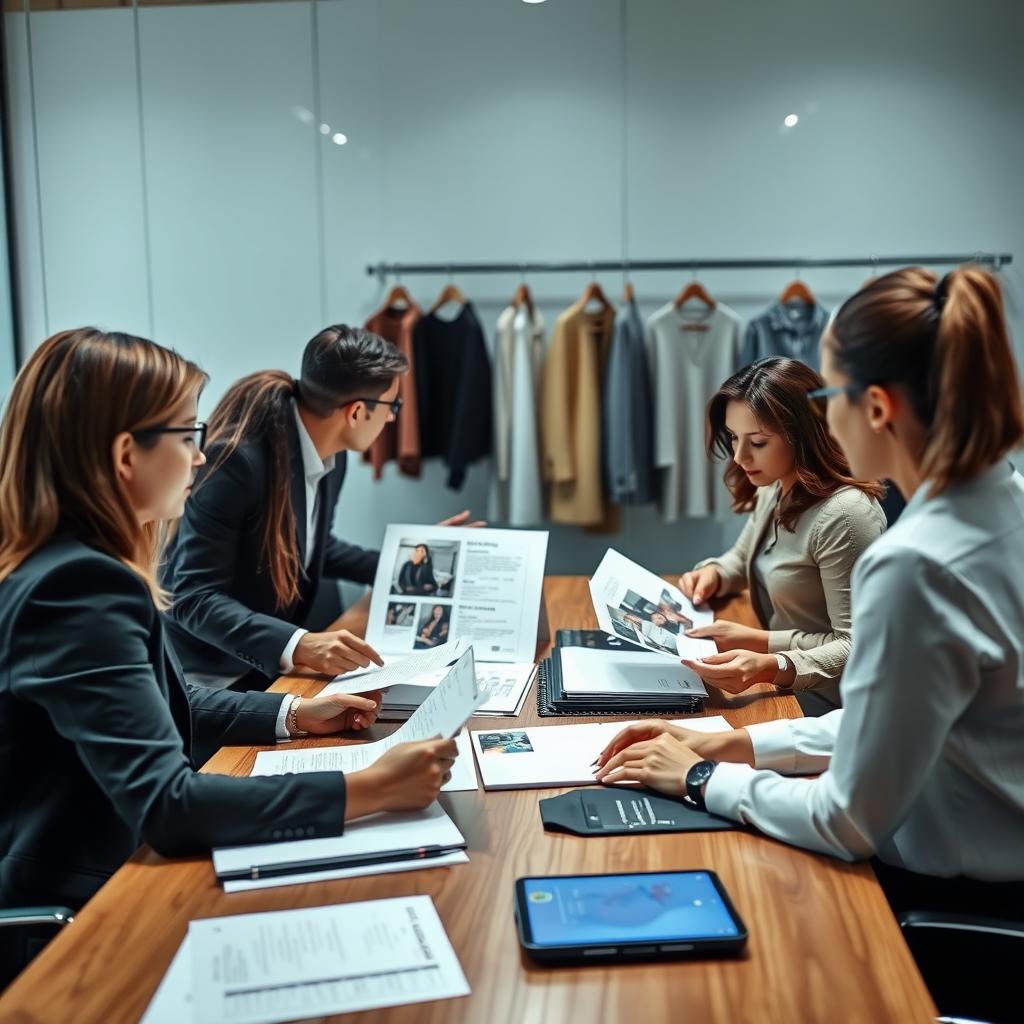
Quality Management
- Establish detailed quality standards and specifications
- Implement regular quality inspections throughout production
- Provide clear feedback on samples and production issues
- Develop a consistent quality control checklist
- Recognize and reward quality improvements

Long-term Planning
- Share your business growth plans and production forecasts
- Develop seasonal production calendars together
- Build in buffer time for unexpected delays
- Consider exclusivity arrangements for key products
- Negotiate volume-based pricing tiers

“The most successful brand-manufacturer relationships are those where both parties view each other as strategic partners rather than just transactional vendors. This mindset creates alignment, fosters innovation, and builds resilience through challenges.”
Red Flags to Watch For When Vetting Wholesale Women’s Clothing Manufacturers
Being vigilant about warning signs can help you avoid problematic manufacturing partnerships that could damage your business.
Business Practices Red Flags
- No formal contracts or agreements – Legitimate manufacturers will always provide proper documentation
- Requiring large deposits upfront – Be wary of manufacturers demanding more than 30-50% deposit
- Unwillingness to provide references – Reputable manufacturers should have clients willing to vouch for them
- Lack of proper business registration – Verify legal business status and industry certifications
- Excessive secrecy about production facilities – Transparency about manufacturing locations is essential
Production Quality Red Flags
- Significant differences between samples and production – Sample quality should match final production
- Inconsistent quality between batches – Look for consistency across production runs
- Reluctance to address quality issues – How manufacturers handle problems reveals their professionalism
- Substituting materials without approval – Material changes should always require your authorization
- Inability to explain production processes – Manufacturers should understand and articulate their methods
Important Warning
If a manufacturer’s pricing is significantly below market rates, this often indicates cutting corners on materials, labor conditions, or quality control. Remember that unrealistically low prices usually come with hidden costs in the form of quality issues, delays, or ethical concerns.
Finding Your Ideal Wholesale Women’s Clothing Manufacturer: Next Steps
Selecting the right manufacturing partner is a critical decision that requires thorough research, careful evaluation, and clear communication. By understanding your specific needs, conducting proper due diligence, and building strong relationships, you can establish productive manufacturing partnerships that support your business growth and product quality.
Define Your Requirements
Before contacting manufacturers, clearly define your product specifications, quality standards, quantity needs, budget constraints, and timeline requirements. This preparation will help you identify suitable partners and communicate your needs effectively.
Research Potential Partners
Use industry directories, trade shows, referrals, and online platforms to create a shortlist of potential manufacturers. Evaluate each based on their specialization, capacity, location, pricing, and reputation within the industry.
Verify and Test
Request samples, check references, and if possible, visit facilities before committing to large orders. Start with smaller test orders to evaluate quality, communication, and reliability before scaling up production.
Ready to find your perfect manufacturing partner?
Our network includes verified wholesale women’s clothing manufacturers across the globe. Let us help you find the right match for your specific requirements.