Key Takeaways
- Partnering with a reputable garment manufacturer enhances brand reputation.
- Superior materials and expert craftsmanship improve product quality.
- Rigorous quality control measures ensure high standards.
- Elevating apparel quality increases customer loyalty.
- A strong brand identity sets you apart in the market.
The Impact of Quality Manufacturing on Apparel Success
Quality manufacturing is the backbone of any successful apparel brand, influencing everything from brand perception to customer loyalty. In the competitive US market, where consumers have numerous choices, the quality of your garments can be a significant differentiator.How Manufacturing Quality Affects Brand Perception
The quality of your apparel directly impacts how consumers perceive your brand. High-quality garments convey a sense of professionalism and attention to detail, enhancing your brand’s reputation. Conversely, poor quality can lead to negative reviews and a loss of customer trust.The Connection Between Quality and Customer Loyalty
Customer loyalty is closely tied to the quality of the products. When customers receive high-quality apparel that meets their expectations, they are more likely to become repeat customers. This loyalty is crucial for long-term success in the competitive US apparel market.Quality as a Competitive Advantage in the US Market
In a crowded marketplace, quality manufacturing can serve as a significant competitive advantage. By focusing on quality, apparel brands can differentiate themselves from competitors and attract discerning customers who are willing to pay a premium for superior products.What Makes a High Quality Garment Manufacturer Stand Out
In the competitive apparel industry, a high-quality garment manufacturer is distinguished by several key factors. These manufacturers not only meet but exceed industry expectations in terms of quality, reliability, and innovation.Industry Standards and Certifications
A hallmark of a high-quality garment manufacturer is its adherence to industry standards and possession of relevant certifications. These standards ensure that the manufacturer operates at a level that prioritizes quality and ethical practices.ISO Certifications and Their Importance
ISO certifications, such as ISO 9001 for quality management, are crucial. They indicate that a manufacturer has implemented rigorous quality control measures and is committed to continuous improvement. ISO certifications are recognized globally, making them a significant factor in establishing trust with international brands.Ethical Manufacturing Standards
Ethical manufacturing standards are equally important, ensuring that production processes respect workers’ rights and environmental sustainability. Certifications like Fair Trade or SA8000 demonstrate a manufacturer’s commitment to ethical practices.Production Capabilities and Technological Advancement
A high-quality garment manufacturer invests in the latest technology and production techniques. This not only enhances efficiency but also ensures consistency and quality in the final product.Quality Control Processes
Robust quality control processes are essential. These include thorough inspections at various stages of production, from raw material sourcing to the final product. A culture of quality permeates every aspect of the manufacturer’s operations.| Quality Control Measure | Description | Benefit |
|---|---|---|
| Raw Material Inspection | Checking materials for quality and defects | Ensures high-quality final product |
| Production Stage Checks | Monitoring production to catch defects early | Reduces waste and improves efficiency |
| Final Product Inspection | Thorough examination of finished garments | Guarantees quality before shipping |
Key Benefits of Partnering with Premium Manufacturers
Partnering with premium manufacturers can significantly elevate your brand’s standing in the competitive apparel market. By collaborating with high-quality garment manufacturers, brands can reap numerous benefits that contribute to their overall success.Superior Material Sourcing
One of the primary advantages of working with premium manufacturers is their ability to source high-quality materials. This ensures that the final product meets the brand’s standards and customer expectations. Premium manufacturers often have established relationships with suppliers, allowing them to procure materials that are not only durable but also sustainable.Expert Craftsmanship and Attention to Detail
Premium manufacturers bring expert craftsmanship to the table, ensuring that every garment is made with precision and care. This attention to detail results in products that are not only aesthetically pleasing but also durable. As noted by industry expert,“The difference between a good garment and a great one often lies in the craftsmanship.”
Reliability and Consistency in Production
Reliability is crucial in the apparel industry, where production delays can have significant downstream effects. Premium manufacturers have the infrastructure and expertise to ensure consistent production quality and timely delivery. This reliability is essential for maintaining a brand’s reputation and customer satisfaction.Enhanced Brand Reputation Through Quality
Ultimately, the quality of the products directly impacts a brand’s reputation. By partnering with premium manufacturers, brands can ensure that their products meet high standards, thereby enhancing their reputation in the market. A table comparing the features of premium vs. standard manufacturers is shown below:| Feature | Premium Manufacturers | Standard Manufacturers |
|---|---|---|
| Material Quality | High-grade materials | Variable quality |
| Craftsmanship | Expert craftsmanship | Basic construction |
| Reliability | Highly reliable | Variable reliability |
How to Identify and Evaluate High Quality Garment Manufacturers
With numerous garment manufacturers available, selecting the best one requires careful evaluation and research. The right manufacturing partner can elevate your brand, while a poor choice can lead to subpar products and reputational damage.Research Strategies and Resources
Begin by leveraging industry directories, trade shows, and online platforms to identify potential manufacturers. Utilize resources like the Fashion Industry Association or Apparel Magazine to find reputable manufacturers. Networking with industry peers can also provide valuable insights into reliable manufacturing partners.Questions to Ask Potential Manufacturing Partners
When evaluating manufacturers, ask about their production capabilities, quality control processes, and material sourcing practices. Inquire about their experience with similar products and their ability to meet your production timelines.| Question | Importance Level | Sample Answer |
|---|---|---|
| What is your minimum order quantity? | High | 1,000 units |
| Can you provide references? | High | Yes, available upon request |
| What materials do you typically work with? | Medium | Cotton, polyester, blends |
Red Flags to Watch For
Be cautious of manufacturers that lack transparency about their processes, have poor communication, or seem overly focused on low prices at the expense of quality.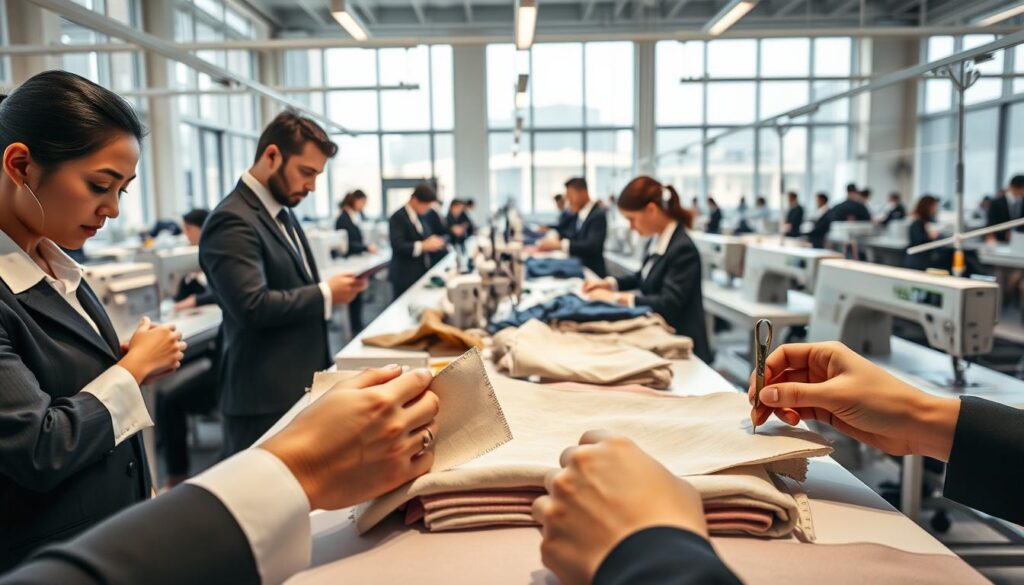
Visiting Facilities: What to Look For
Visiting a manufacturer’s facility can provide critical insights into their capabilities. Look for signs of a well-organized production line, adequate equipment, and a clean, safe working environment. Assess their quality control measures and ask to see samples of their work. By following these steps, you can effectively identify and evaluate high-quality garment manufacturers that meet your brand’s needs.Understanding the Manufacturing Process
The journey of creating high-quality garments begins with understanding the intricate manufacturing process. This complex workflow transforms designs into tangible products, requiring precision, expertise, and attention to detail at every stage.From Design to Production: The Complete Workflow
The manufacturing process starts with design conceptualization and evolves through several critical phases. Pattern making and sampling are the initial steps where designs are translated into physical templates and prototype garments.Pattern Making and Sampling
Pattern making involves creating precise templates for garment construction, while sampling allows for the creation of a prototype to test fit, quality, and overall aesthetic. These steps are crucial for ensuring that the final product meets the desired standards.Production Phases
Once the sample is approved, the production phase begins. This involves cutting fabric according to the patterns, followed by sewing and assembly. The production phase is where the design is brought to life, requiring skilled labor and quality control measures.Critical Quality Checkpoints
Throughout the manufacturing process, several quality checkpoints ensure that the final product meets the required standards. These include:- Material inspection upon receipt
- Quality control during cutting and sewing
- Final inspection before packaging and shipping
Timeline Expectations for Quality Production
Understanding the timeline for production is crucial for planning and meeting market demands. A typical production timeline includes:| Production Phase | Timeline |
|---|---|
| Pattern making and sampling | 1-2 weeks |
| Production preparation | 1 week |
| Manufacturing | 4-6 weeks |
| Quality control and shipping | 1-2 weeks |
Choosing a High Quality Garment Manufacturer in the US vs. Overseas
Selecting the right garment manufacturer, whether in the US or overseas, is a critical business decision that impacts the quality, cost, and delivery time of your apparel products. Apparel brands must weigh the benefits and challenges of each option carefully.Advantages of US-Based Manufacturing
US-based manufacturing offers several advantages, including faster turnaround times and the marketing value of “Made in USA.”Faster Turnaround Times
Manufacturing in the US typically allows for quicker production and shipping, reducing the time from design to delivery. This can be particularly beneficial for brands that need to respond quickly to changing fashion trends.“Made in USA” Marketing Value
The “Made in USA” label can be a significant marketing advantage, appealing to consumers who prefer domestic products. This can enhance brand reputation and loyalty.Navigating Overseas Production Relationships
While overseas manufacturing can offer cost savings, it requires careful management to ensure quality and timely delivery. Building a strong relationship with overseas manufacturers involves clear communication and regular quality checks.Balancing Cost, Quality, and Logistics
One of the key challenges in choosing between US and overseas manufacturing is balancing cost, quality, and logistics. A comparative analysis can help brands make informed decisions.| Factor | US Manufacturing | Overseas Manufacturing |
|---|---|---|
| Cost | Higher | Lower |
| Quality | High | Variable |
| Turnaround Time | Faster | Slower |
Compliance with US Import Regulations
For brands choosing overseas manufacturing, compliance with US import regulations is crucial. This includes understanding tariffs, product safety standards, and labeling requirements. Or call us directly to discuss your manufacturing needs: +4917646646541Fabric Selection and Material Quality
When it comes to creating high-quality apparel, the choice of fabric is paramount. The type of fabric used can significantly impact the performance, durability, and overall aesthetic of a garment.Impact on Garment Performance
The fabric chosen for a garment directly affects its comfort, functionality, and longevity. For instance, cotton is often preferred for casual wear due to its breathability and softness, while synthetic fibers like polyester are commonly used in activewear for their moisture-wicking properties.Sustainable and Innovative Material Options
In recent years, there has been a growing trend towards sustainable materials in the apparel industry. Manufacturers are now offering a range of eco-friendly fabrics made from recycled materials, organic cotton, and plant-based textiles. These materials not only reduce environmental impact but also offer unique properties that can enhance garment performance.Working with Manufacturers on Material Sourcing
When partnering with a garment manufacturer, it’s essential to discuss material sourcing options. A reliable manufacturer should be able to provide guidance on the best materials for your specific needs, as well as access to a wide range of fabric suppliers. They can also help navigate the complexities of material sourcing, ensuring that your chosen fabrics meet both your quality standards and regulatory requirements.Quality Testing Standards for Fabrics
To ensure the quality of fabrics used in garment production, manufacturers employ various testing standards. These may include tests for colorfastness, tensile strength, and shrinkage. A reputable manufacturer will have a rigorous quality control process in place to verify that all materials meet these standards before production begins.| Testing Standard | Description | Importance |
|---|---|---|
| Colorfastness | Measures how well the color resists fading or running. | Ensures the garment retains its appearance over time. |
| Tensile Strength | Tests the fabric’s resistance to tearing. | Critical for durability and longevity. |
| Shrinkage | Assesses how much the fabric shrinks after washing. | Important for maintaining garment fit. |
Custom Manufacturing vs. Ready-Made Options
When it comes to apparel production, brands often face a crucial decision: opting for custom manufacturing or ready-made options. This choice can significantly impact production costs, product quality, and time-to-market.When to Choose Custom Production
Custom production is ideal for brands looking to create unique, branded products that stand out in the market. It allows for complete control over design, materials, and production processes, ensuring that the final product meets the brand’s specific requirements.Benefits of Manufacturer-Developed Collections
Manufacturer-developed collections can offer brands a convenient and cost-effective way to access high-quality, on-trend products. These collections are often produced in larger quantities, which can lead to economies of scale and faster production times.
Hybrid Approaches for New Brands
For new brands, a hybrid approach that combines elements of custom and ready-made production can be an effective strategy. This might involve customizing certain aspects of a ready-made product or using ready-made components in a custom design.Minimum Order Quantities and Their Impact
Minimum order quantities (MOQs) can significantly impact a brand’s production costs and inventory management. Understanding MOQs is crucial when deciding between custom and ready-made options.| Production Type | MOQ Impact | Cost Implication |
|---|---|---|
| Custom Manufacturing | Higher MOQs | Increased upfront costs |
| Ready-Made Options | Lower MOQs | Lower upfront costs |
Building a Successful Long-Term Manufacturing Partnership
A successful manufacturing partnership can elevate your brand’s quality and reputation in the competitive US market. This partnership is built on several key factors that ensure a fruitful and lasting collaboration.Communication Best Practices
Effective communication is the foundation of any successful partnership. Regular updates, clear expectations, and open dialogue help prevent misunderstandings and ensure that both parties are aligned in their goals. As emphasized by industry experts, “Clear and consistent communication is crucial for a successful manufacturing partnership.”“The key to a successful partnership is not just about the initial agreement but about maintaining a continuous dialogue that fosters trust and cooperation.”
Managing Growth and Scaling Production
As your brand grows, your manufacturing partner should be able to scale production accordingly. It’s essential to assess their capability to handle increased demand without compromising on quality.Resolving Issues and Continuous Improvement
No partnership is immune to challenges. However, it’s how these challenges are addressed that matters. Implementing a continuous improvement process helps in identifying and resolving issues promptly, thereby strengthening the partnership.Creating Mutual Value in the Relationship
A successful manufacturing partnership is a two-way street. Both parties should derive value from the relationship. This can be achieved by setting mutually beneficial goals, sharing insights, and collaborating on innovative projects. By focusing on these aspects, brands can build a manufacturing partnership that not only supports their current needs but also fosters growth and innovation for the future.Cost Considerations When Working with High Quality Garment Manufacturers
To successfully partner with a high-quality garment manufacturer, brands need to grasp the cost dynamics involved. Understanding these costs is crucial for budgeting and ensuring a strong return on investment (ROI).Understanding Price Structures and Minimums
High-quality garment manufacturers often have complex price structures that depend on factors like material costs, production volume, and labor expenses. It’s essential to understand these structures to anticipate costs. For instance, some manufacturers may have minimum order quantities (MOQs) that can significantly impact your initial investment.Hidden Costs to Anticipate
Beyond the initial production costs, there are often hidden costs to consider, such as shipping fees, customs duties, and potential costs for alterations or rework. Being aware of these can help you budget more accurately.Maximizing Value Without Compromising Quality
To maximize value, brands should focus on building a strong relationship with their manufacturer, negotiating favorable terms, and planning production efficiently. This can help reduce costs without sacrificing quality.Budgeting for Quality: ROI Perspectives
| Investment Area | Cost Impact | ROI Potential |
|---|---|---|
| Material Quality | Higher upfront costs | Improved durability and customer satisfaction |
| Production Efficiency | Potential for reduced labor costs | Faster turnaround times and lower waste |
| Quality Control | Additional inspection costs | Reduced rework and returns |
Conclusion: Transforming Your Apparel Line Through Manufacturing Excellence
Achieving manufacturing excellence is crucial for transforming your apparel line and elevating your brand. By partnering with a high-quality garment manufacturer, you can ensure superior material sourcing, expert craftsmanship, and reliability in production. Manufacturing excellence is not just about producing high-quality garments; it’s about creating a competitive advantage in the US market. With a strong manufacturing partner, you can focus on designing and marketing your apparel line while leaving the production to the experts. The journey to apparel line transformation begins with understanding the factors that contribute to manufacturing excellence. By considering factors such as production capabilities, quality control processes, and material sourcing, you can make informed decisions when selecting a garment manufacturer. Ultimately, manufacturing excellence is key to driving long-term success in the apparel industry. By prioritizing quality and partnering with the right manufacturer, you can transform your apparel line and achieve your business goals, leading to apparel line transformation through manufacturing excellence. Or call us directly to discuss your manufacturing needs: +4917646646541FAQ
What makes a garment manufacturer high-quality?
A high-quality garment manufacturer is characterized by their ability to provide superior materials, expert craftsmanship, and attention to detail, ultimately enhancing a brand’s reputation and customer loyalty.
How does manufacturing quality affect brand perception?
Manufacturing quality significantly impacts brand perception, as high-quality garments contribute to a positive brand image, while low-quality products can harm a brand’s reputation.
What are the benefits of partnering with a premium garment manufacturer?
Partnering with a premium garment manufacturer offers several benefits, including superior material sourcing, expert craftsmanship, reliability in production, and enhanced brand reputation through quality.
How do I identify and evaluate high-quality garment manufacturers?
To identify and evaluate high-quality garment manufacturers, research strategies, questions to ask potential partners, and red flags to watch out for are essential, as well as visiting facilities to assess their production capabilities and quality control processes.
What is the importance of ISO certifications in garment manufacturing?
ISO certifications are crucial in ensuring quality and ethical manufacturing practices, as they demonstrate a manufacturer’s commitment to meeting international standards.
How does fabric selection impact garment performance?
Fabric selection significantly impacts garment performance, as different materials offer varying levels of comfort, durability, and functionality, making it essential to choose the right fabric for the intended use.
What are the advantages of US-based manufacturing?
US-based manufacturing offers several advantages, including faster turnaround times, the “Made in USA” marketing value, and greater control over production quality.
How do I navigate overseas production relationships?
Navigating overseas production relationships requires careful planning, research, and communication to ensure that quality, cost, and logistics are balanced, and compliance with US import regulations is maintained.
What are the key considerations when budgeting for quality garment manufacturing?
When budgeting for quality garment manufacturing, it’s essential to understand price structures and minimums, anticipate hidden costs, and maximize value without compromising quality, considering ROI perspectives.
How can I build a successful long-term manufacturing partnership?
Building a successful long-term manufacturing partnership involves communication best practices, managing growth, resolving issues, and continuous improvement, ultimately creating mutual value in the relationship.