Understanding the Clothing Manufacturing Industry
The global clothing manufacturing industry represents a complex ecosystem of suppliers, producers, and distributors working together to transform raw materials into finished garments. With an estimated market value exceeding $600 billion, this sector combines traditional craftsmanship with cutting-edge technology to meet the ever-changing demands of fashion consumers worldwide.
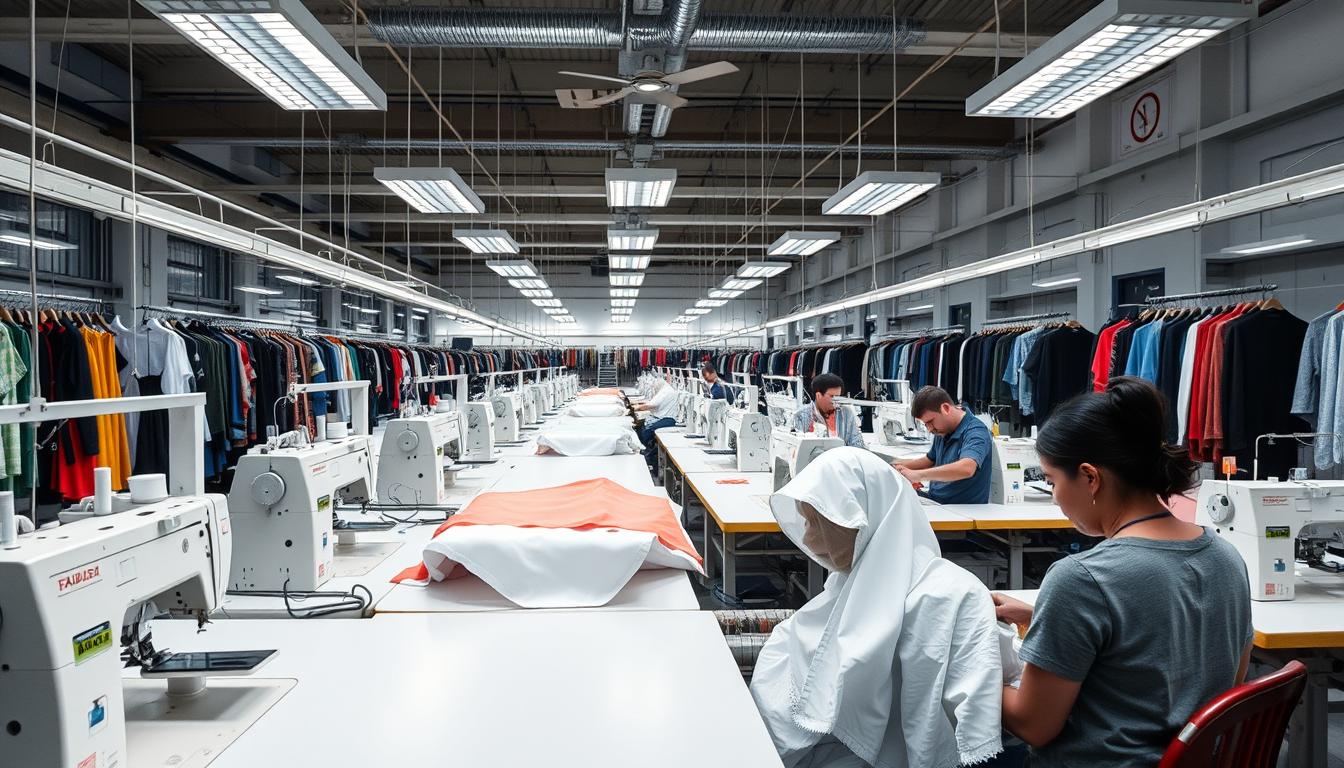
Today’s clothing manufacturers range from small, specialized workshops to massive industrial facilities employing thousands of workers. The industry has evolved significantly in recent decades, with production increasingly concentrated in regions offering competitive advantages in labor costs, infrastructure, and proximity to raw materials.
Understanding the structure and dynamics of this industry is essential for fashion entrepreneurs seeking to navigate its complexities and build successful partnerships with manufacturers.
Types of Clothing Manufacturers
The clothing manufacturing landscape offers various production models to suit different business needs. Understanding these distinctions helps fashion entrepreneurs select the right manufacturing partner for their specific requirements.
Wholesale Manufacturers
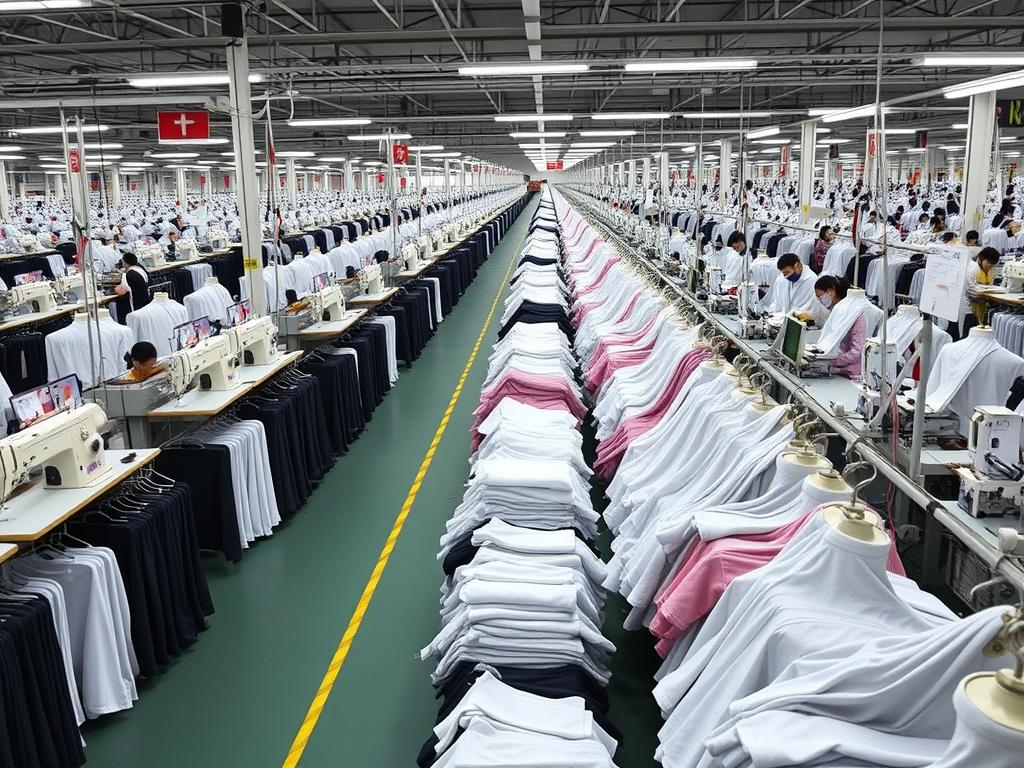
Wholesale clothing manufacturers produce ready-made garments in bulk quantities according to standardized designs and specifications. These manufacturers typically:
- Offer catalog-based selections
- Require larger minimum orders
- Provide cost advantages for volume
- Operate with standardized sizing
Ideal for: Retailers and brands seeking established designs at competitive prices.
Private Label Manufacturers
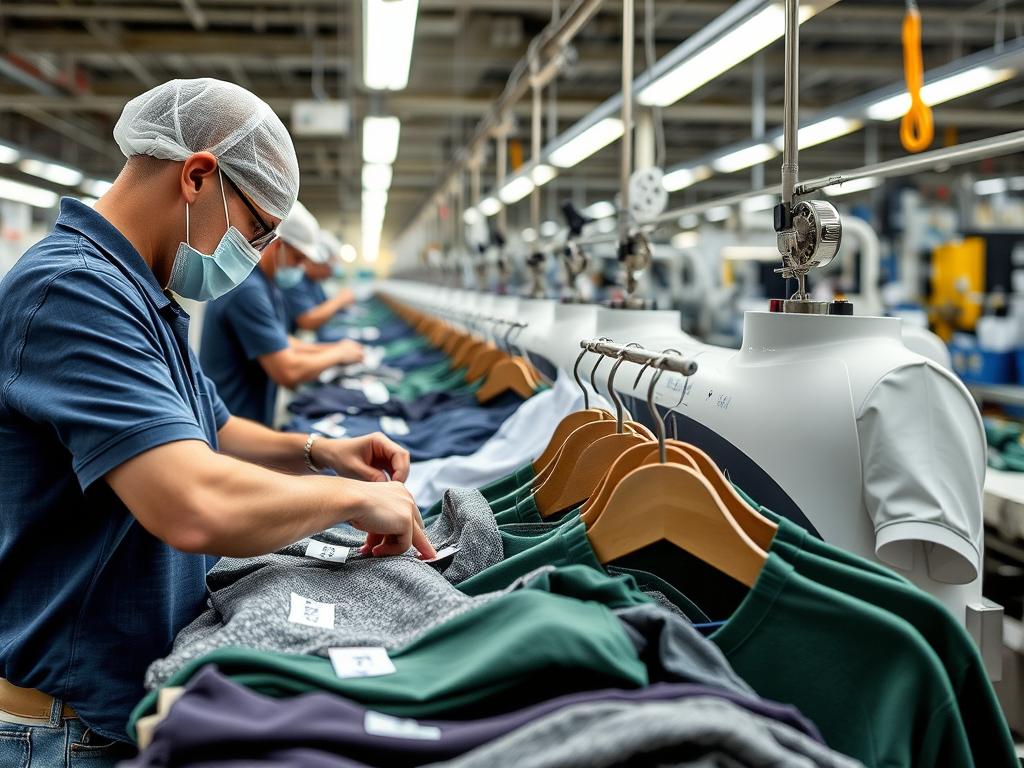
Private label manufacturers produce garments that brands can sell under their own name. These manufacturers typically:
- Customize existing designs
- Add your branding elements
- Offer moderate customization
- Provide flexible MOQs
Ideal for: Emerging brands wanting to launch quickly without full custom development.
Custom/Cut & Sew Manufacturers
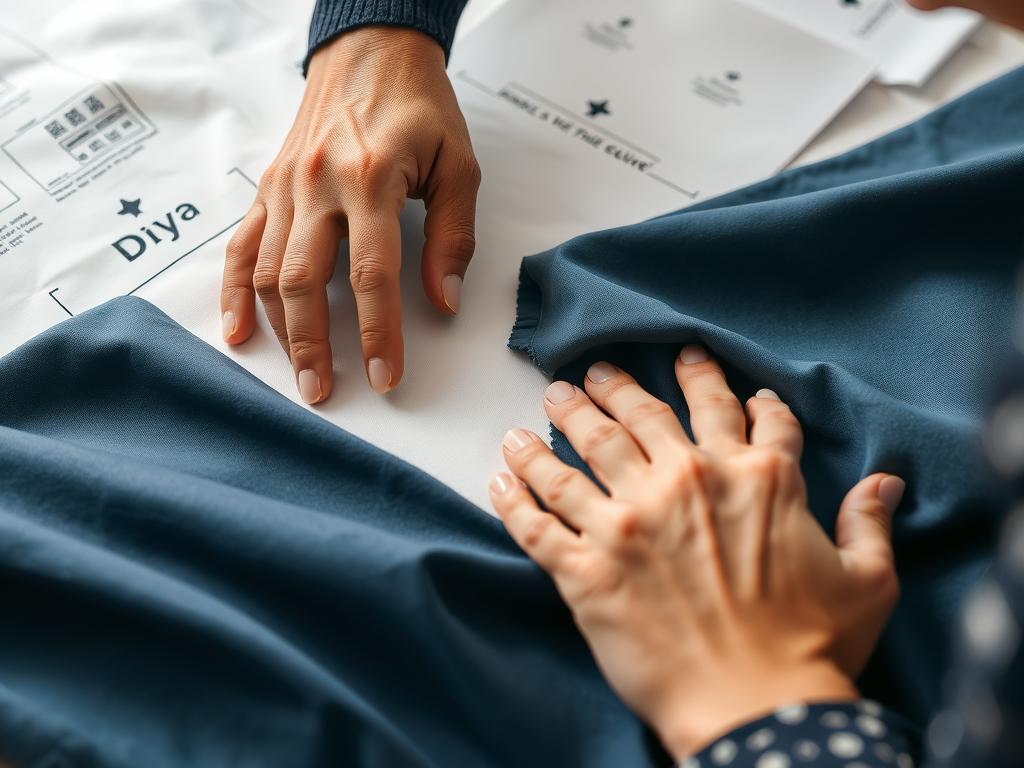
Custom manufacturers create garments from scratch based on your unique designs. These manufacturers typically:
- Develop patterns from your designs
- Source materials to specifications
- Offer complete customization
- Provide sampling and prototyping
Ideal for: Designers and brands with unique concepts requiring precise execution.
Not Sure Which Manufacturing Type Fits Your Brand?
Connect with experienced clothing manufacturers who can guide you through the options and help determine the best production approach for your specific needs.
Key Factors When Choosing Clothing Manufacturers
Selecting the right manufacturing partner involves careful consideration of several critical factors. The following criteria will help you evaluate potential manufacturers and find the best match for your brand’s needs.
Quality Standards
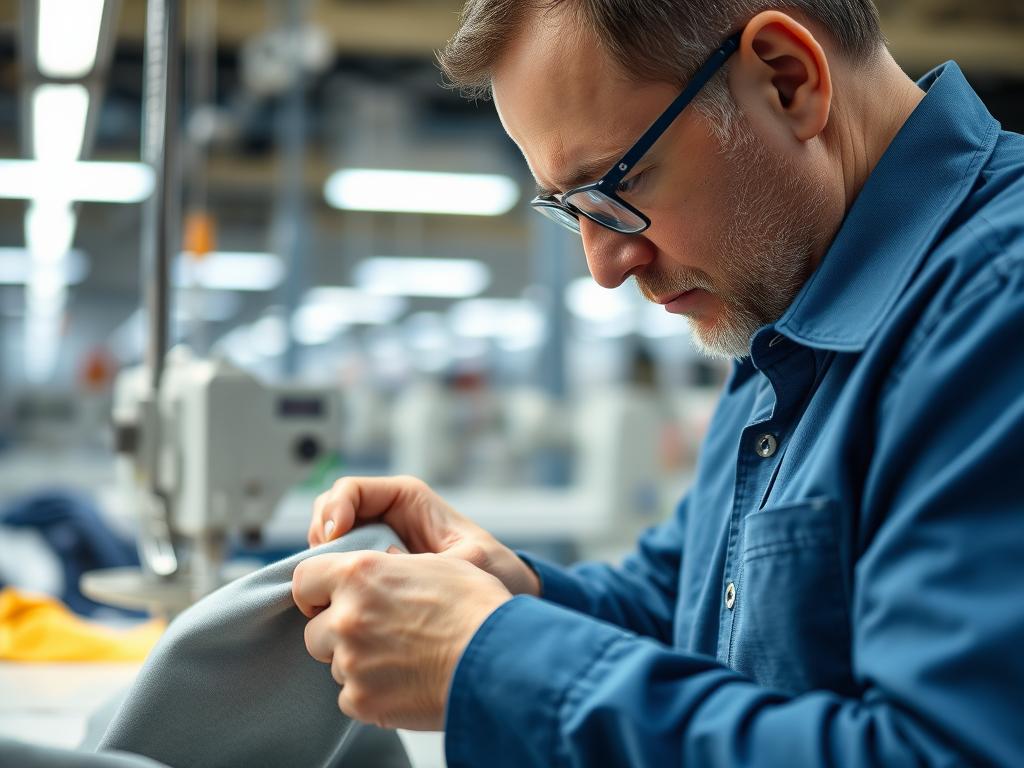
Quality should be your primary concern when selecting a clothing manufacturer. Look for:
- Consistent stitching and construction
- Fabric quality and durability
- Attention to detail in finishes
- Quality control processes
- Certifications and compliance standards
Request samples before committing to production to evaluate craftsmanship firsthand.
Minimum Order Quantities (MOQs)
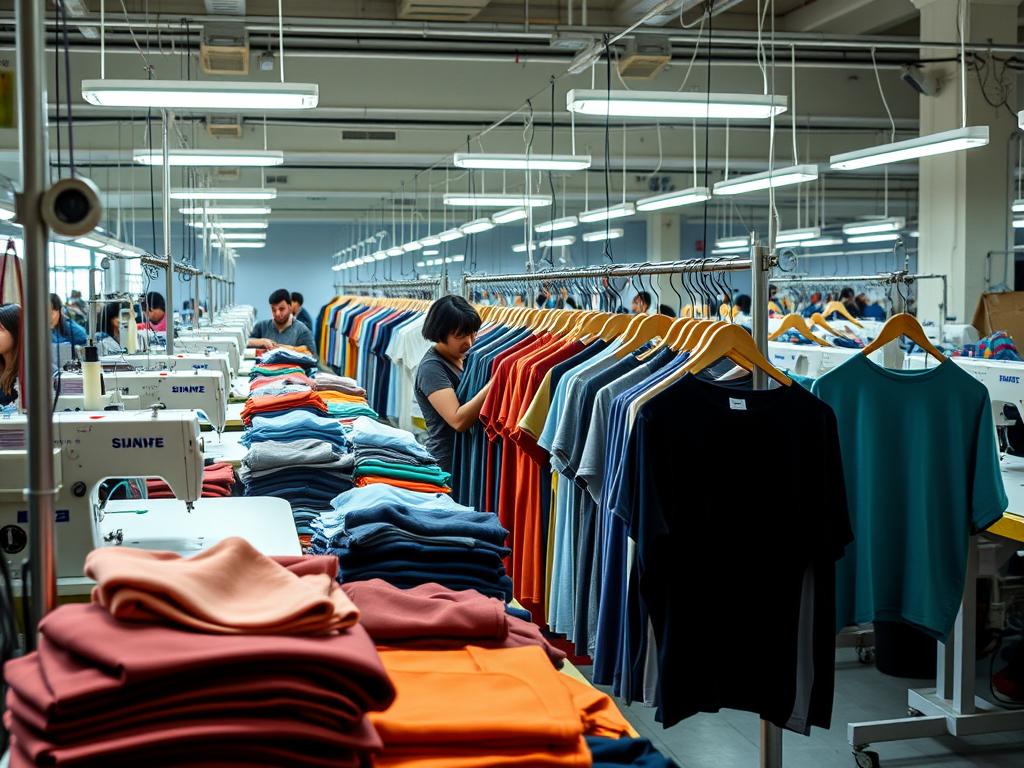
MOQs significantly impact your initial investment and inventory risk:
- Large manufacturers: 500-1000+ pieces per style
- Mid-size manufacturers: 200-500 pieces per style
- Small-batch specialists: 50-100 pieces per style
- Micro-manufacturers: 10-50 pieces per style
Startups should prioritize manufacturers offering lower MOQs to test designs before scaling production.
Pricing Structure
Understanding manufacturing costs helps you determine retail pricing and profit margins:
- Material costs (fabric, trims, labels)
- Labor costs (cutting, sewing, finishing)
- Overhead charges
- Sampling and development fees
- Quantity-based discounts
Request detailed cost breakdowns and compare quotes from multiple manufacturers.
Production Lead Times
Realistic timelines are essential for inventory planning:
- Sampling: 1-3 weeks
- Pattern development: 1-2 weeks
- Material sourcing: 2-8 weeks
- Production: 4-12 weeks
- Shipping: 1-6 weeks (location dependent)
Factor in seasonal demands and plan production schedules accordingly.
Communication & Service
Effective communication is crucial for successful manufacturing partnerships:
- Responsiveness to inquiries
- Language barriers and solutions
- Dedicated account representatives
- Transparency about capabilities
- Problem-solving approach
Test communication during the inquiry and sampling phases to gauge reliability.
Technical Capabilities
Ensure manufacturers have the equipment and expertise for your specific needs:
- Fabric handling specialties
- Special techniques (embroidery, printing)
- Pattern-making capabilities
- Technology integration
- Specialized machinery
Match your design requirements with manufacturers specializing in relevant techniques.
Ready to Evaluate Potential Manufacturing Partners?
Download our comprehensive manufacturer evaluation checklist to ensure you’re asking the right questions and comparing options effectively.
Major Clothing Manufacturing Hubs Worldwide
Clothing production has globalized significantly, with distinct manufacturing hubs offering different advantages in terms of cost, quality, specialization, and proximity.
| Region | Key Countries | Specialties | Advantages | Considerations |
| Asia | China, Bangladesh, Vietnam, India | Mass production, full-package services | Competitive pricing, established infrastructure | Longer shipping times, communication challenges |
| Europe | Portugal, Italy, Turkey, Romania | Luxury goods, technical garments | Superior quality, proximity to European markets | Higher costs, larger MOQs |
| North America | USA, Mexico, Canada | Small-batch production, quick-turn manufacturing | Faster delivery, easier communication | Higher labor costs, limited capacity |
| Central America | Guatemala, Honduras, El Salvador | Knits, t-shirts, activewear | Proximity to US, trade agreements | Limited fabric sourcing, specialized focus |
| Africa | Ethiopia, Morocco, Tunisia | Basic garments, emerging capabilities | Growing infrastructure, competitive costs | Developing logistics, variable quality |
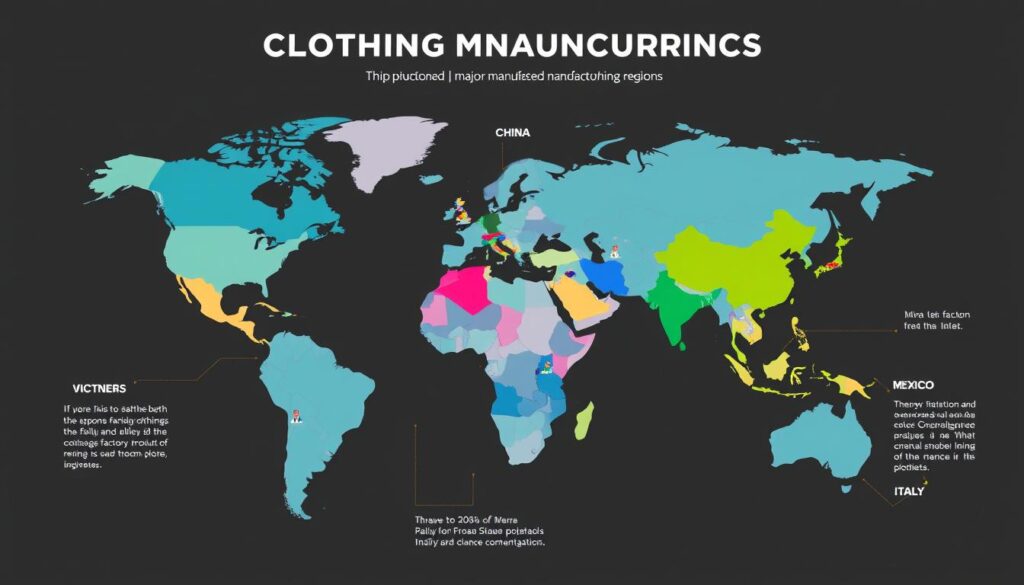
Nearshoring Trend: Many brands are now exploring “nearshoring” options—manufacturing closer to their target markets—to reduce shipping times, carbon footprint, and supply chain vulnerabilities. This trend has accelerated following global supply chain disruptions in recent years.
Sustainable and Ethical Manufacturing Practices
As consumer awareness grows, sustainable and ethical manufacturing has shifted from a niche concern to a mainstream priority. Forward-thinking clothing manufacturers are implementing responsible practices throughout their operations.
Environmental Sustainability
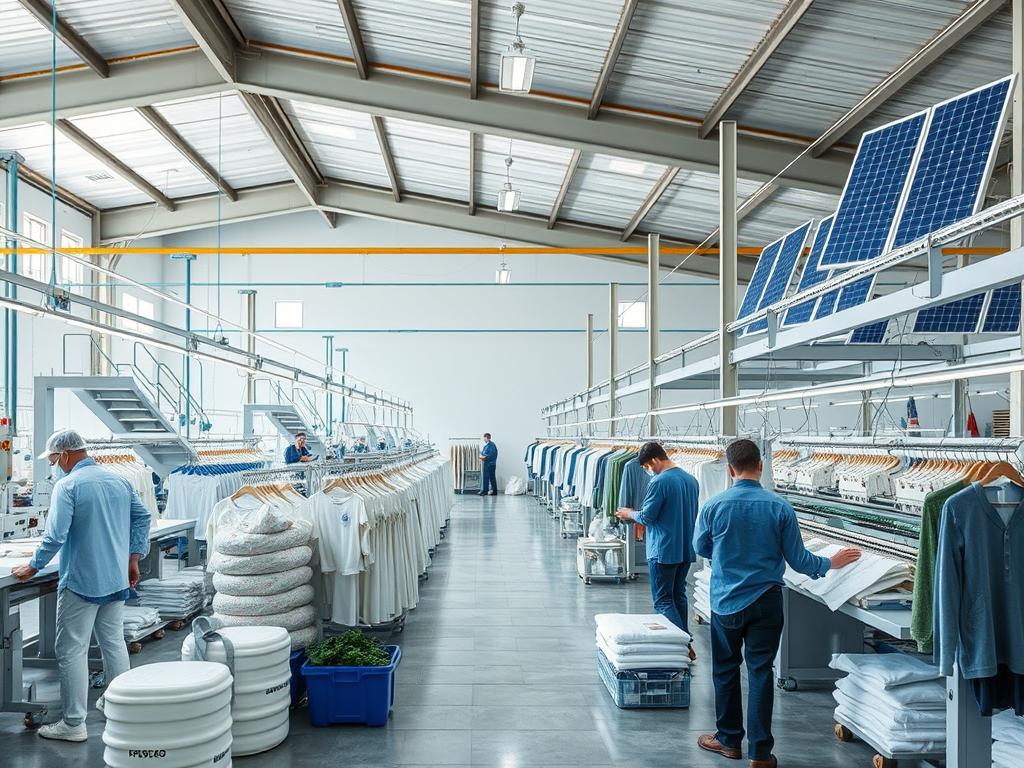
Leading manufacturers are reducing environmental impact through:
- Water conservation and recycling systems
- Energy-efficient equipment and renewable energy
- Waste reduction and recycling programs
- Chemical management and safer alternatives
- Sustainable material sourcing
Look for certifications like GOTS, Bluesign, and OEKO-TEX to verify environmental claims.
Ethical Labor Practices
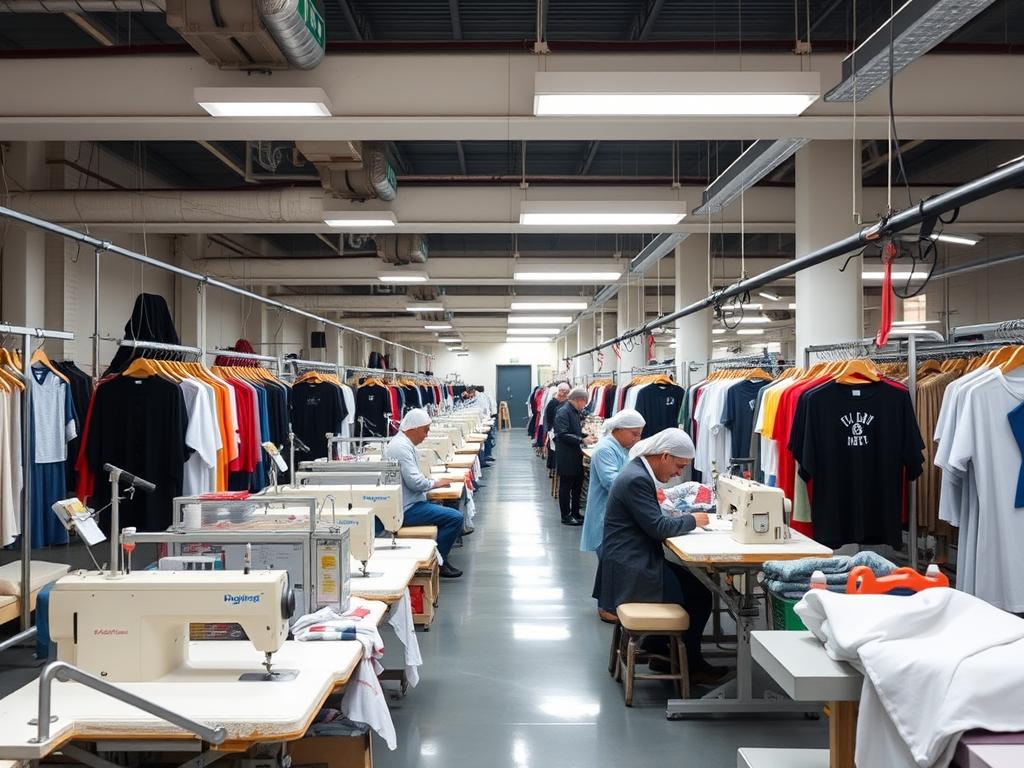
Responsible manufacturers prioritize worker welfare through:
- Fair wages and benefits
- Safe working conditions
- Reasonable working hours
- No child or forced labor
- Worker empowerment programs
Certifications like Fair Trade, SA8000, and WRAP help identify factories with verified ethical practices.
“Sustainable manufacturing isn’t just about environmental impact—it’s about creating a system that can thrive long-term by respecting both planetary boundaries and human dignity.”
Committed to Sustainable Production?
Connect with certified sustainable clothing manufacturers who can help bring your eco-conscious fashion vision to life with responsible practices.
How Technology is Transforming Clothing Manufacturing
Technological innovation is revolutionizing the clothing manufacturing industry, creating new possibilities for efficiency, customization, and sustainability.
Digital Design & Sampling
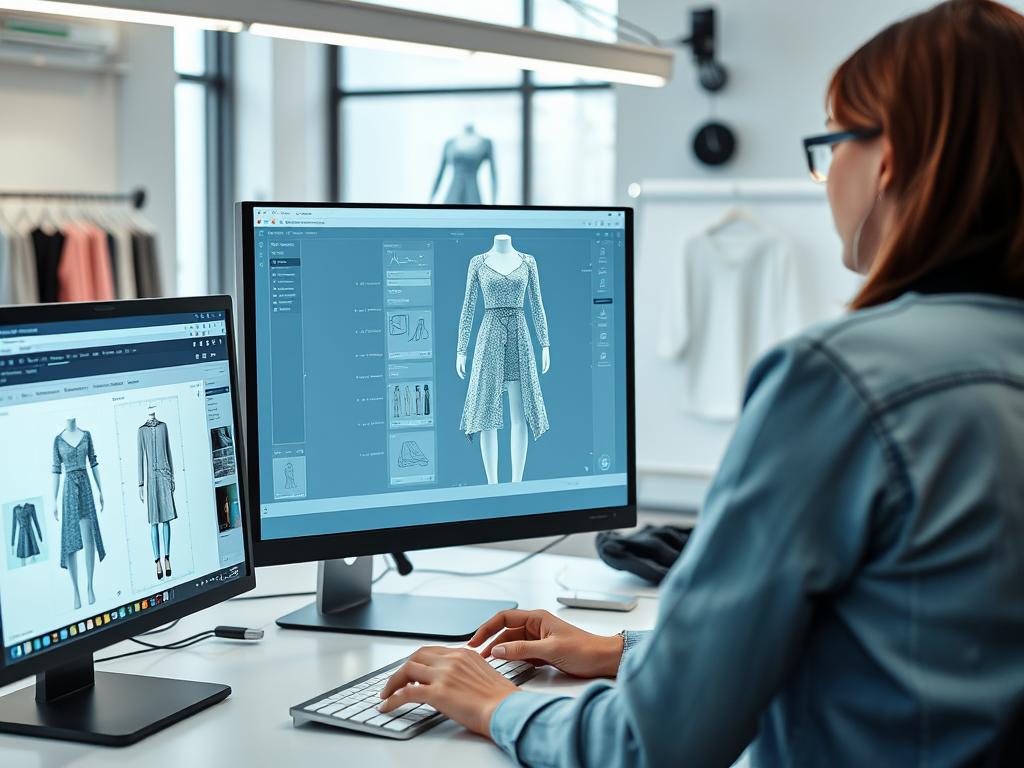
Advanced technologies reducing development time and waste:
- 3D design software
- Virtual sampling
- Digital fabric libraries
- Pattern optimization algorithms
Benefits include faster development cycles, reduced material waste, and lower sampling costs.
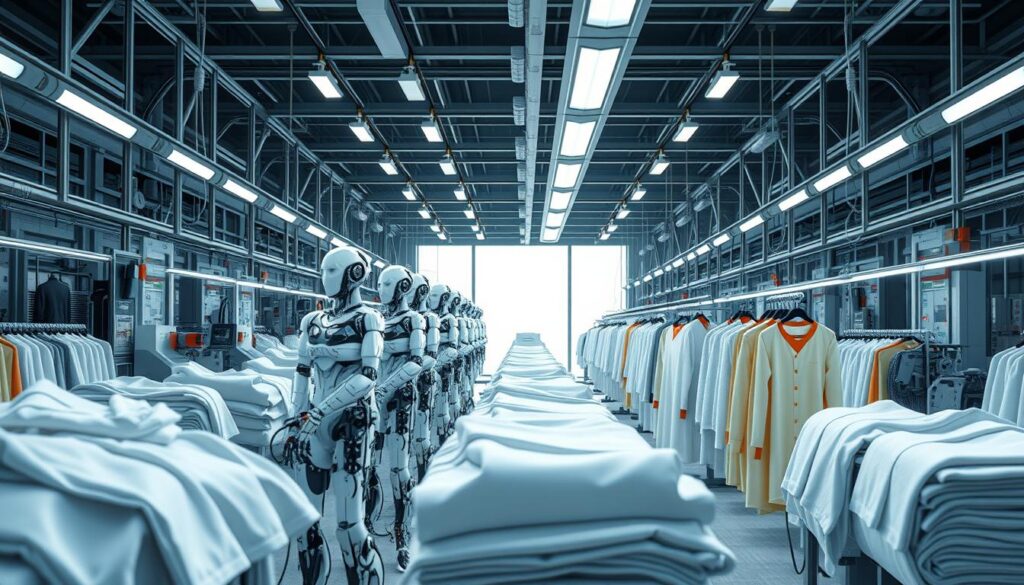
Automation & Robotics
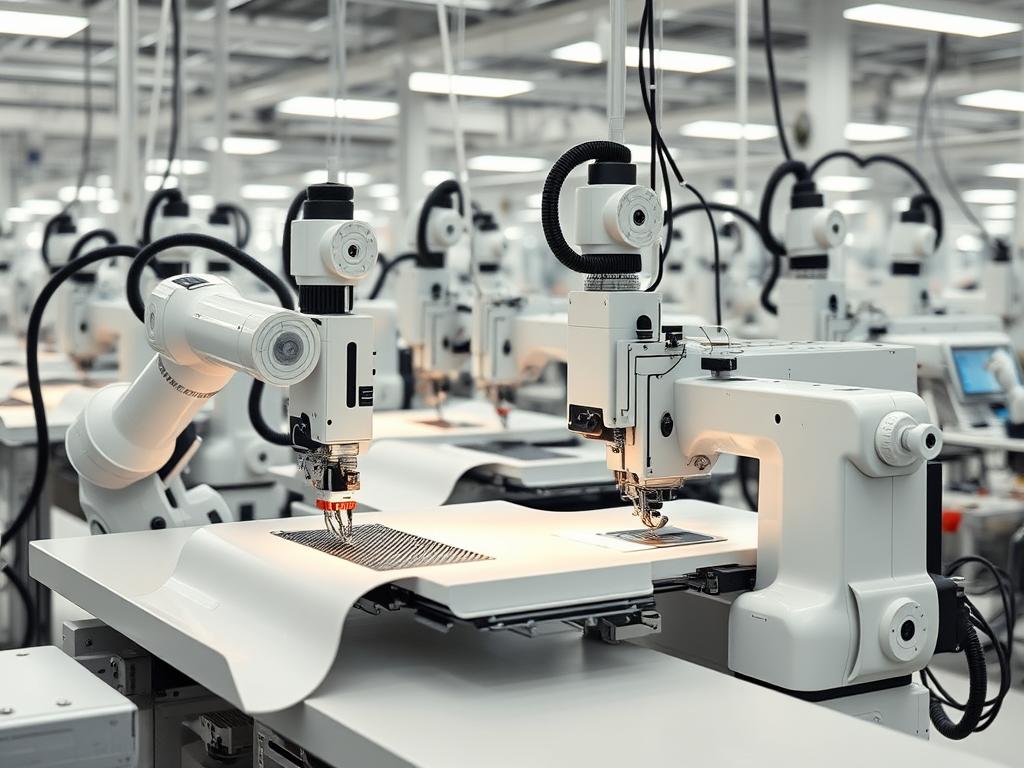
Automated systems enhancing precision and efficiency:
- Automated cutting systems
- Sewing robots
- Automated quality inspection
- Smart material handling
Benefits include consistent quality, higher productivity, and reduced labor costs.
On-Demand Production
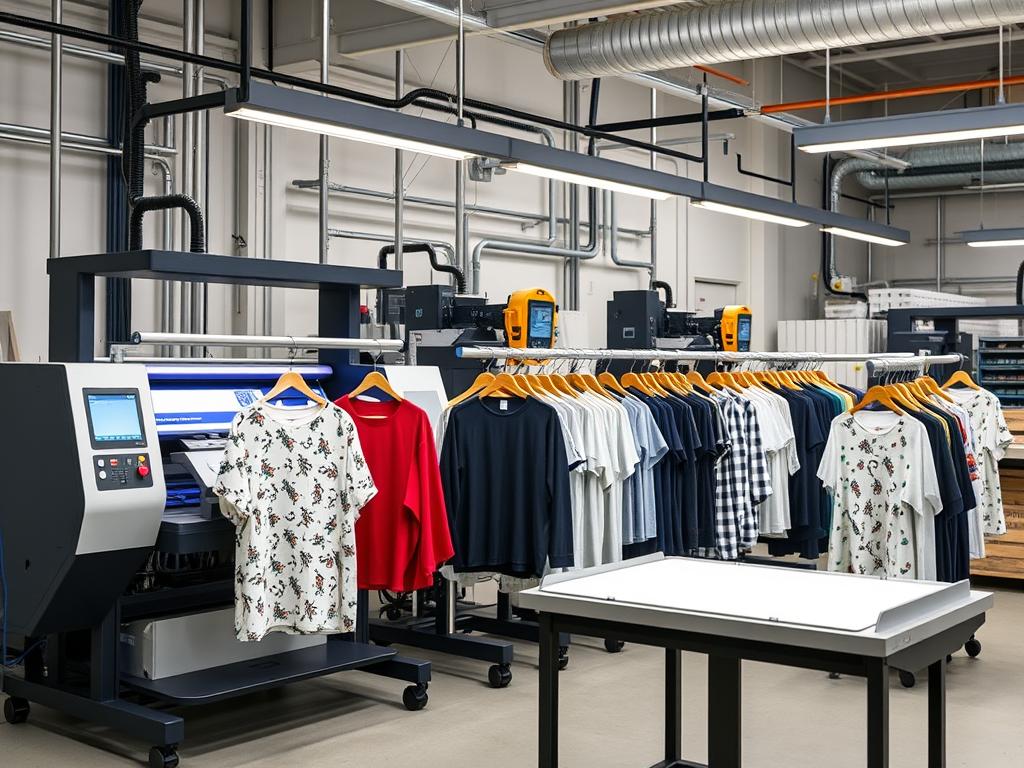
Technologies enabling responsive, low-waste production:
- Digital textile printing
- Integrated order management
- Flexible production lines
- Made-to-order systems
Benefits include reduced inventory risk, customization options, and minimized overproduction.
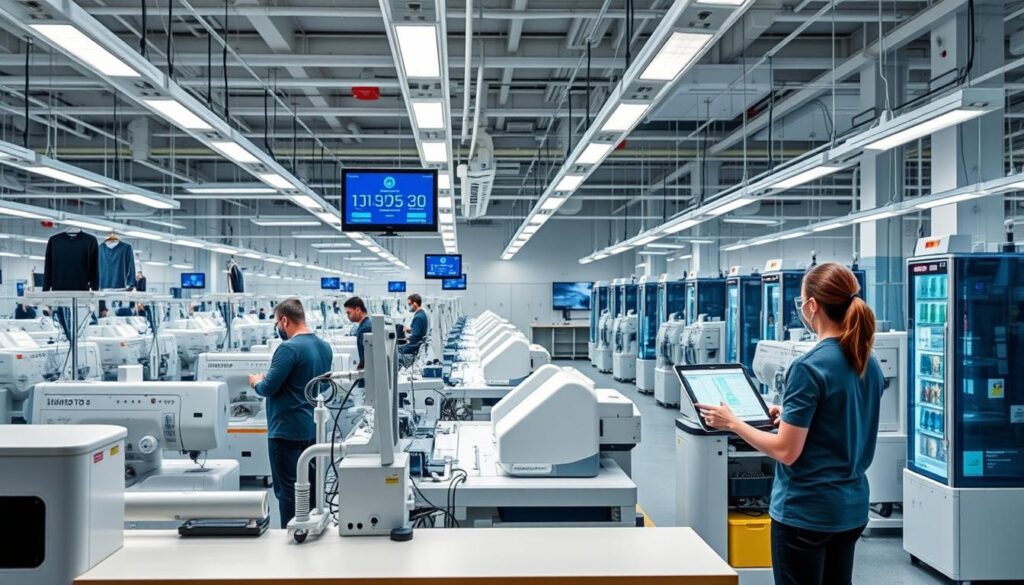
Industry 4.0 Integration
Forward-thinking manufacturers are implementing “smart factory” concepts that connect every aspect of production:
- IoT sensors monitoring equipment performance
- Real-time production tracking systems
- Predictive maintenance reducing downtime
- Cloud-based management platforms
- AI-powered quality control systems
- Digital supply chain integration
- Blockchain for transparency and traceability
- Data analytics optimizing production flows
Practical Tips for Fashion Startups Working with Manufacturers
Navigating manufacturer relationships can be challenging for new fashion brands. These practical tips will help startups establish successful manufacturing partnerships.
Before Production
- Develop detailed tech packs with complete specifications
- Request and evaluate multiple samples before committing
- Visit facilities in person when possible
- Check references and previous client work
- Start with small test orders before scaling
- Understand all costs, including hidden fees
- Negotiate payment terms that protect both parties
During Production
- Establish clear communication channels and points of contact
- Request regular progress updates and photos
- Implement quality control checkpoints throughout production
- Address issues immediately when they arise
- Document all communications and agreements
- Build relationships with factory management
- Understand cultural differences in business practices
Pro Tip: Consider working with a sourcing agent or production manager for your first manufacturing run. Their expertise and established relationships can help you navigate potential pitfalls and secure better terms with manufacturers.
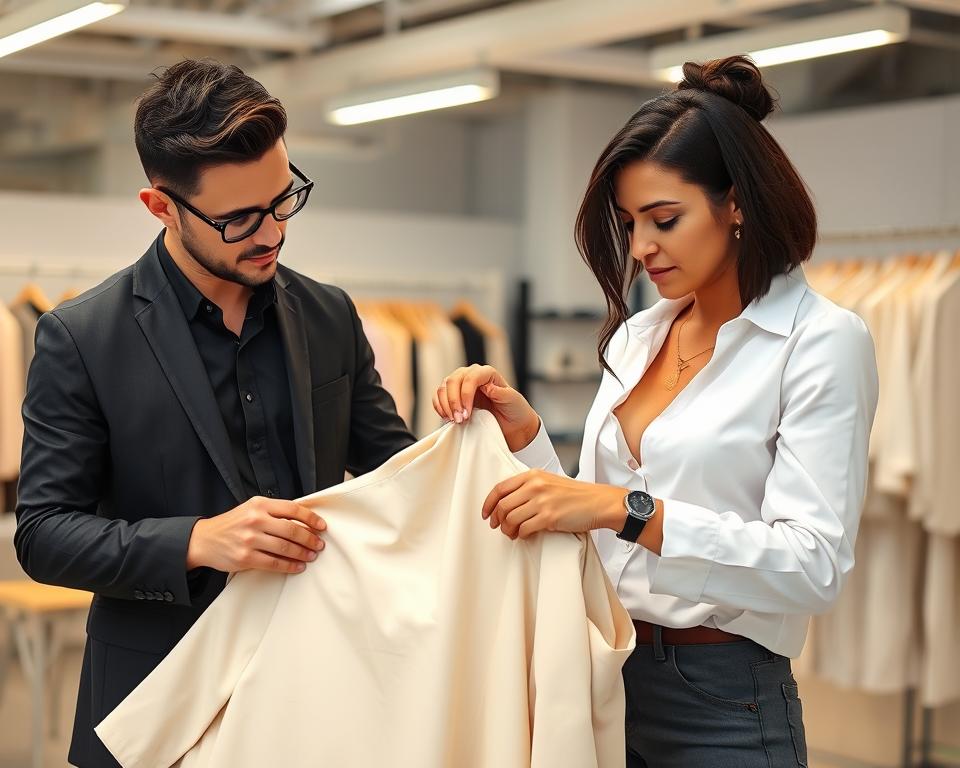
Ready to Start Your Manufacturing Journey?
Get personalized guidance on finding the right manufacturing partner for your fashion brand’s unique needs and vision.
Future Trends in Clothing Manufacturing
The clothing manufacturing landscape continues to evolve rapidly. Understanding emerging trends helps brands prepare for future opportunities and challenges.
Reshoring & Nearshoring
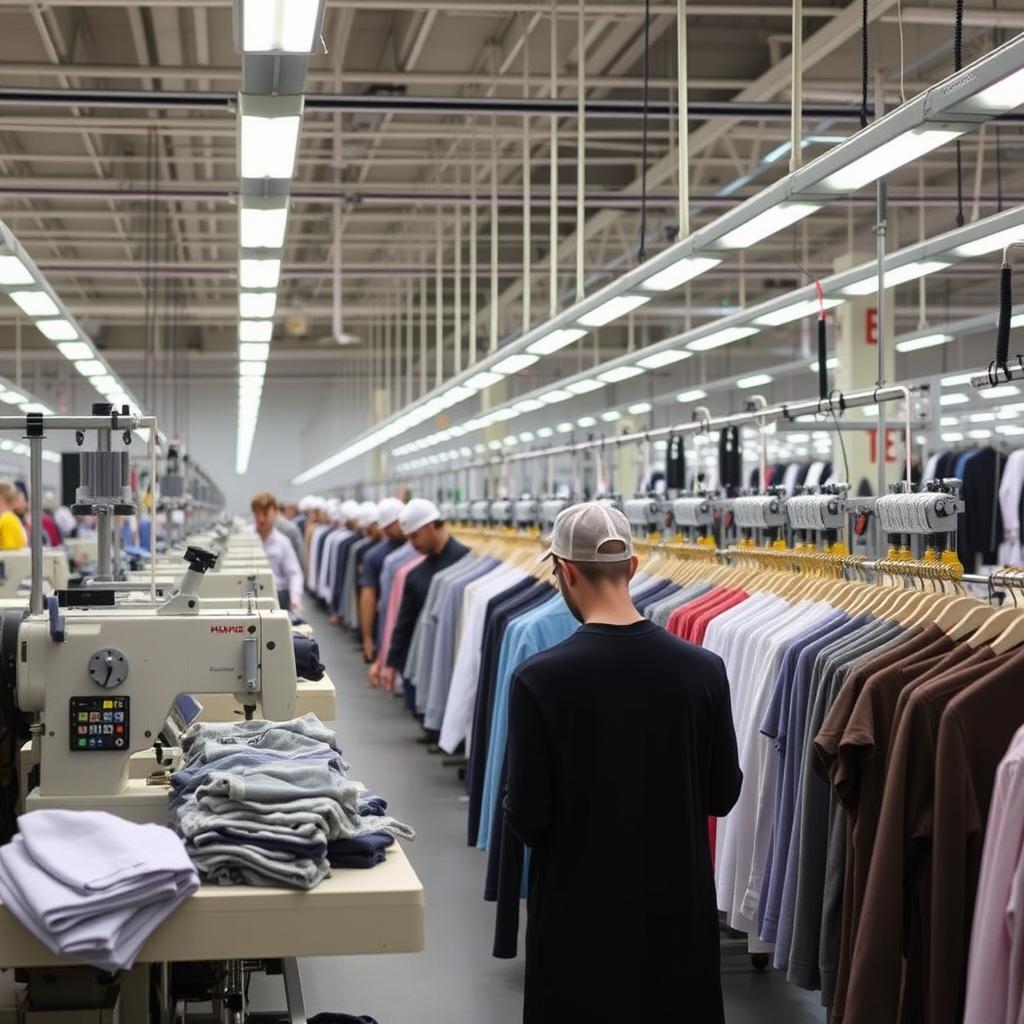
Production is increasingly moving closer to end markets due to:
- Supply chain resilience concerns
- Rising labor costs in traditional hubs
- Automation reducing labor cost gaps
- Consumer demand for local production
- Reduced carbon footprint
Micro-Manufacturing
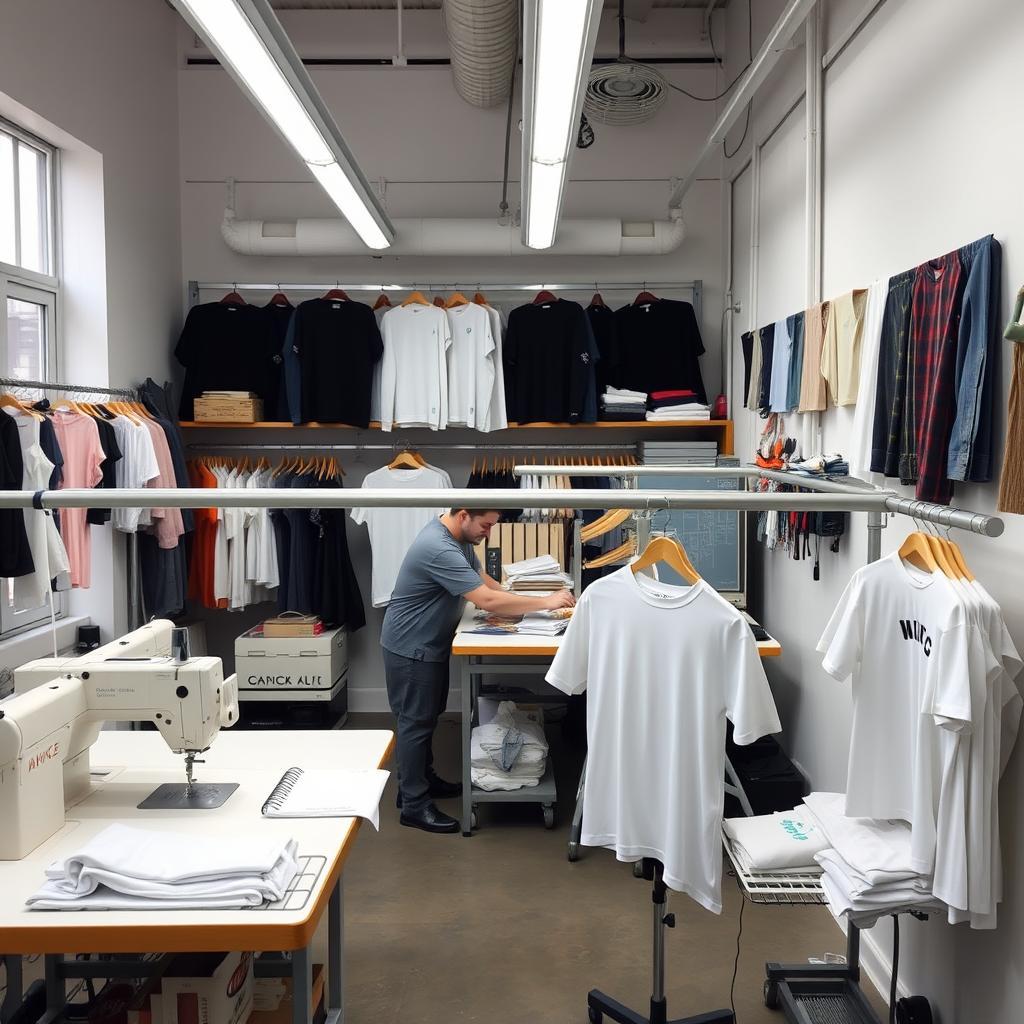
Small, agile production facilities are gaining traction with:
- Ultra-low minimum orders
- Rapid turnaround capabilities
- On-demand production models
- Specialized craftsmanship focus
- Direct-to-consumer integration
Circular Manufacturing
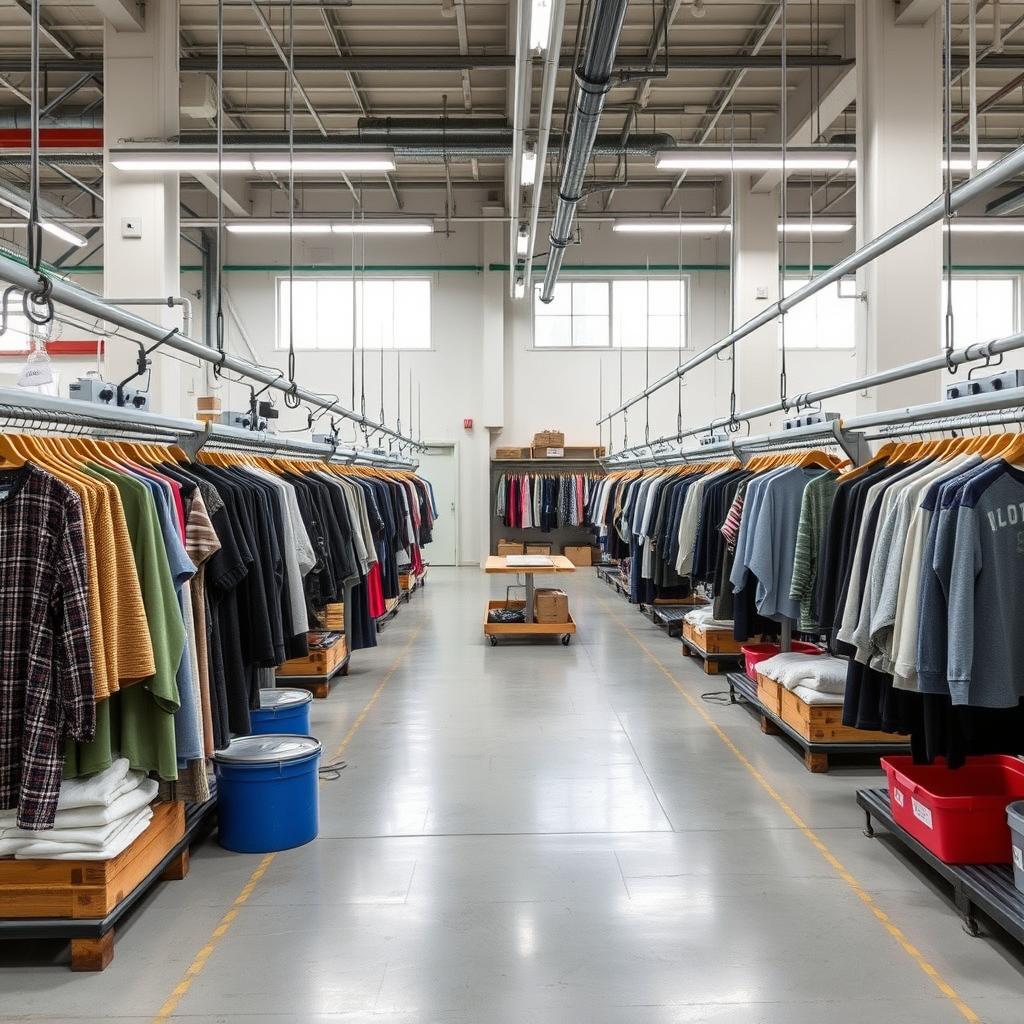
Closed-loop systems are becoming industry standards:
- Design for disassembly
- Recycled and recyclable materials
- Take-back and repair programs
- Zero-waste pattern cutting
- Biodegradable components
Emerging Technologies to Watch
Revolutionary technologies poised to transform manufacturing in the coming years:
- Bioengineered Materials: Lab-grown leathers and biofabricated textiles
- Advanced Recycling: Chemical recycling breaking down fibers at the molecular level
- 3D Printing: Direct-to-garment printing for complex structures
- AI Design: Algorithm-generated patterns and styles
- Microfactories: Fully automated mini-production units
- Blockchain Traceability: Complete supply chain transparency
Finding Your Ideal Clothing Manufacturing Partner
Selecting the right clothing manufacturer is a critical decision that impacts every aspect of your fashion brand—from product quality and pricing to delivery reliability and sustainability credentials. By understanding the manufacturing landscape, carefully evaluating potential partners, and staying informed about industry trends, you can build productive relationships that support your brand’s growth and vision.
Remember that the best manufacturing partnership is one that aligns with your specific needs, values, and growth trajectory. Whether you prioritize small-batch flexibility, sustainable practices, technical capabilities, or cost efficiency, there are manufacturers specializing in your niche.
As the industry continues to evolve, successful brands will be those that develop adaptive, transparent relationships with their manufacturing partners—creating resilient supply chains capable of responding to changing market demands and consumer expectations.
Ready to Take the Next Step?
Connect with vetted clothing manufacturers that match your brand’s specific needs, values, and production requirements.
Frequently Asked Questions About Clothing Manufacturers
What is the typical minimum order quantity (MOQ) for clothing manufacturers?
MOQs vary widely depending on the manufacturer’s size, location, and business model. Large-scale manufacturers in Asia typically require 500-1,000 pieces per style, while mid-sized manufacturers may accept 200-500 pieces. Small-batch specialists and micro-manufacturers, often found in the US and Europe, may work with as few as 10-100 pieces per style. Startups should look for manufacturers specializing in small runs or consider domestic production options with lower MOQs.
How do I protect my designs when working with manufacturers?
To protect your intellectual property when working with clothing manufacturers, consider these steps: 1) Use non-disclosure agreements (NDAs) before sharing designs, 2) Work with reputable manufacturers with proven track records, 3) Register trademarks and design patents when applicable, 4) Limit access to complete design information, 5) Build strong relationships based on trust and mutual benefit, and 6) Consider working with manufacturers in countries with stronger IP protection laws.
What’s the difference between CMT, FOB, and full-package manufacturing?
These terms refer to different service levels offered by clothing manufacturers:
- CMT (Cut, Make, Trim): You provide all materials and designs; the manufacturer only provides labor and machinery for cutting and sewing.
- FOB (Free on Board): The manufacturer handles production and sources materials based on your specifications, then delivers finished goods to the shipping point.
- Full-Package/ODM: The manufacturer manages the entire process, including design assistance, material sourcing, production, and sometimes logistics.
New brands often benefit from FOB or full-package services, while established brands with supply chain expertise might prefer CMT for greater control.
How can I verify a manufacturer’s ethical and sustainability claims?
To verify ethical and sustainability claims, look for third-party certifications like GOTS, Fair Trade, WRAP, SA8000, Bluesign, or OEKO-TEX. Request documentation of practices and policies, conduct facility visits when possible, check references from other clients, and consider using audit services or joining industry initiatives that monitor supply chain compliance. Be wary of vague claims without specific evidence or certification.
Get Expert Manufacturing Guidance
Have questions about finding the right clothing manufacturer for your brand? Complete the form below to receive personalized recommendations and resources.