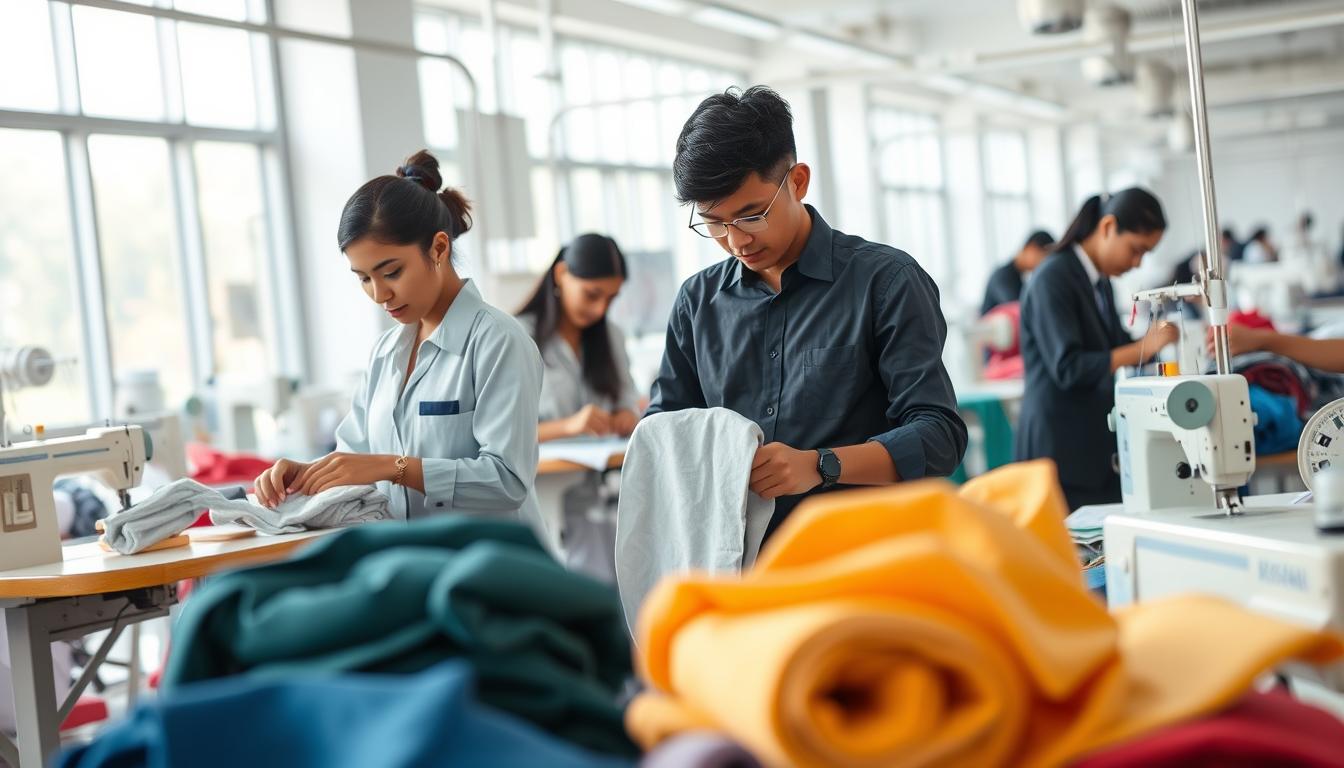
Finding the right clothing manufacturer is one of the most critical decisions you’ll make as a fashion brand owner. The manufacturer you choose will directly impact your product quality, delivery timelines, profit margins, and ultimately, your brand’s reputation. Whether you’re launching a new clothing line or scaling an existing one, this comprehensive guide will walk you through the entire process of finding, vetting, and partnering with the perfect clothing manufacturer for your unique needs.
From understanding different types of manufacturers to negotiating favorable terms, we’ll cover everything you need to know to make an informed decision that sets your fashion business up for success. Let’s dive in and discover how to find a clothing manufacturer that can bring your vision to life.
Understanding Different Types of Clothing Manufacturers
Before beginning your search, it’s essential to understand the different types of clothing manufacturers available and which one best suits your business model and production needs.
Cut and Sew Manufacturers
These manufacturers produce garments from scratch based on your designs and technical specifications. You’ll typically need to provide detailed tech packs, and either supply the fabric yourself or have the manufacturer source it for you. This option gives you maximum creative control and is ideal for unique, custom collections that can’t be found off-the-shelf.
Full Package Production (FPP)
FPP manufacturers handle the entire production process from design development to finished product. They manage pattern making, grading, material sourcing, sampling, production, and sometimes even shipping. This comprehensive service is perfect for brands that want a turnkey solution and don’t have in-house production expertise.
Private Label Manufacturers
These manufacturers offer pre-designed products that you can customize with your brand name and sometimes minor design modifications. This option allows for quicker launches with lower development costs, making it ideal for testing new product categories or starting with limited capital.
CMT (Cut, Make, Trim)
In this model, you provide all materials, patterns, and trims, while the manufacturer handles the cutting, sewing, and finishing. This approach gives you control over material sourcing but requires more management on your part. It’s commonly used by established brands with dedicated sourcing teams.
Not Sure Which Manufacturing Model Is Right for You?
Our team of sourcing experts can help you determine the best manufacturing approach based on your specific product, budget, and timeline requirements.
Domestic vs. Overseas Clothing Manufacturers
One of the most significant decisions you’ll make is whether to work with domestic or overseas clothing manufacturers. Each option comes with distinct advantages and challenges that can impact your production timeline, costs, and quality control processes.
Domestic Manufacturers: Advantages
- Shorter production and shipping times
- Easier communication (same language, time zone)
- Lower minimum order quantities (often 50-200 units)
- Simpler logistics and lower shipping costs
- Better quality control with easier factory visits
- Stronger intellectual property protection
- “Made in [Country]” marketing advantage
- Compliance with local labor and environmental regulations
Domestic Manufacturers: Challenges
- Higher production costs
- Limited production capacity
- Fewer specialized manufacturing options
- More competition for factory time
- Higher labor costs affecting pricing
- Limited fabric and trim sourcing options
- Stricter regulatory compliance costs
- Potentially longer lead times for specialized items
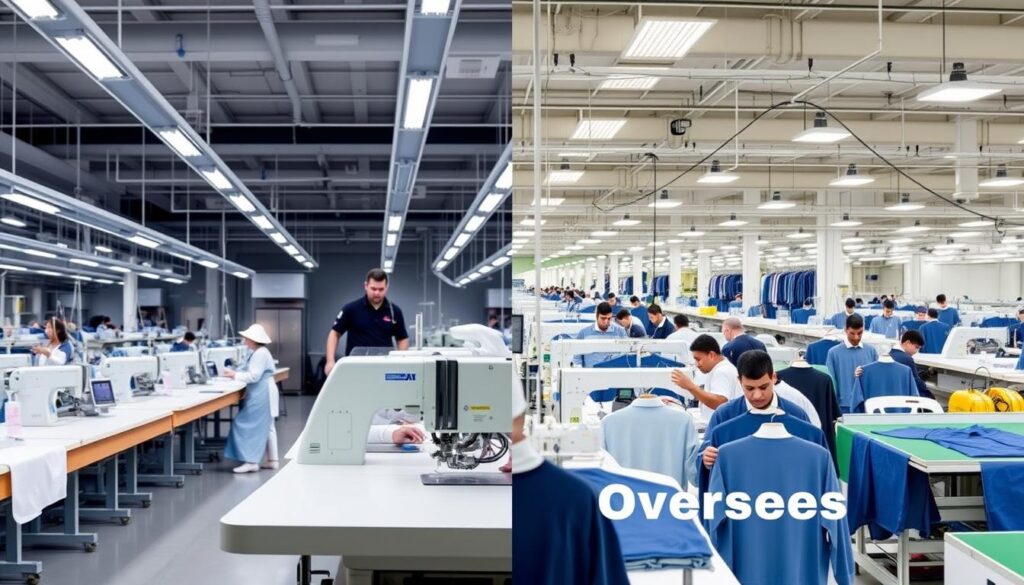
Overseas Manufacturers: Advantages
- Significantly lower production costs
- Extensive manufacturing experience and expertise
- Specialized production capabilities
- Access to wider range of materials and trims
- Ability to scale production quickly
- Competitive pricing for higher volume orders
- Full-package production services
- Established infrastructure for apparel manufacturing
Overseas Manufacturers: Challenges
- Higher minimum order quantities (often 300+ units)
- Language barriers and communication challenges
- Time zone differences complicating coordination
- Longer shipping times (4-6 weeks by sea)
- More complex quality control processes
- Import duties and customs clearance
- Potential ethical and compliance concerns
- Difficulty resolving production issues remotely
Preparing to Find a Clothing Manufacturer
Before you start contacting potential clothing manufacturers, proper preparation will save you time, prevent miscommunications, and help you find the right manufacturing partner more efficiently.
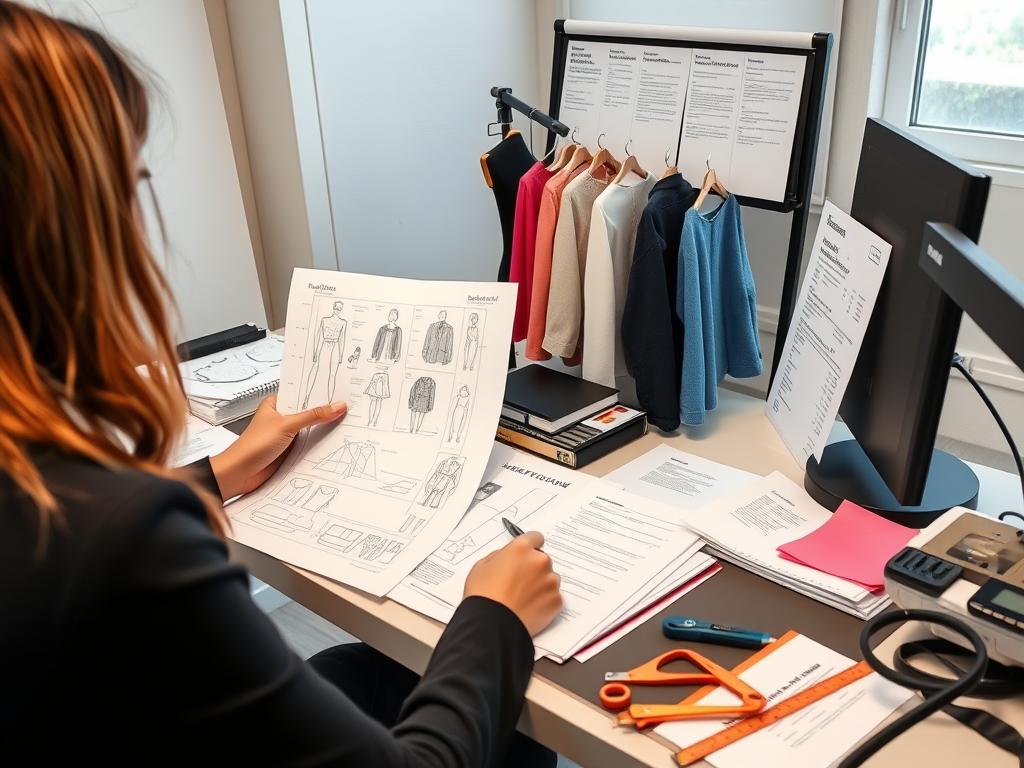
Define Your Product Specifications
Create detailed technical specifications for your garments, including measurements, materials, construction details, and finishing requirements. The more specific you are, the more accurate quotes and samples you’ll receive. Consider developing a technical pack (tech pack) that includes:
- Detailed sketches (front, back, and side views)
- Material specifications (fabric type, weight, composition)
- Color references (Pantone codes or physical swatches)
- Construction details (seam types, stitch count)
- Trim specifications (buttons, zippers, labels)
- Grading information (size range and measurements)
- Packaging requirements
- Quality standards and testing requirements
Determine Your Production Requirements
Before contacting manufacturers, be clear about your production needs:
| Requirement | Questions to Consider | Why It Matters |
| Order Quantity | How many units per style and color? Can you meet minimum order quantities (MOQs)? | Affects pricing, manufacturer options, and production scheduling |
| Timeline | When do you need samples? When do you need finished products? | Determines which manufacturers can meet your deadlines |
| Budget | What is your target cost per unit? What is your sampling budget? | Narrows down manufacturer options to those within your price range |
| Quality Level | What quality standards must be met? What testing is required? | Ensures alignment with your brand positioning and customer expectations |
| Certifications | Do you need organic, fair trade, or other certifications? | Limits your search to manufacturers with specific credentials |
Set a Realistic Budget
Research industry standard costs for your product type and quality level. Remember to account for:
- Development costs (patterns, samples, revisions)
- Production costs (materials, labor, overhead)
- Shipping and logistics
- Import duties and taxes (for overseas manufacturing)
- Quality control and testing
- Packaging and labeling
Need Help Creating Technical Specifications?
Our production experts can help you develop comprehensive tech packs that communicate your vision clearly to manufacturers, ensuring better samples and finished products.
How to Find Clothing Manufacturer: 6 Effective Methods
Now that you’re prepared with clear specifications and requirements, it’s time to start your search for the perfect clothing manufacturer. Here are six proven methods to find qualified manufacturing partners for your fashion brand.

1. Online Directories and Platforms
Online directories are excellent starting points for finding clothing manufacturers across different regions, specializations, and price points. Some of the most reliable include:
- Alibaba – The world’s largest B2B marketplace with thousands of clothing manufacturers, primarily from Asia
- Maker’s Row – Specializes in connecting brands with US-based manufacturers
- Kompass – Global B2B directory with detailed filtering options
- Sourcify – Platform that helps brands find pre-vetted manufacturers
- Common Objective – Focuses on sustainable and ethical manufacturers
- Sqetch – European platform connecting fashion brands with production partners
Pro Tip: When using online directories, look for manufacturers with verified status, detailed profiles, and customer reviews. Request information about their minimum order quantities, lead times, and specializations before engaging further.
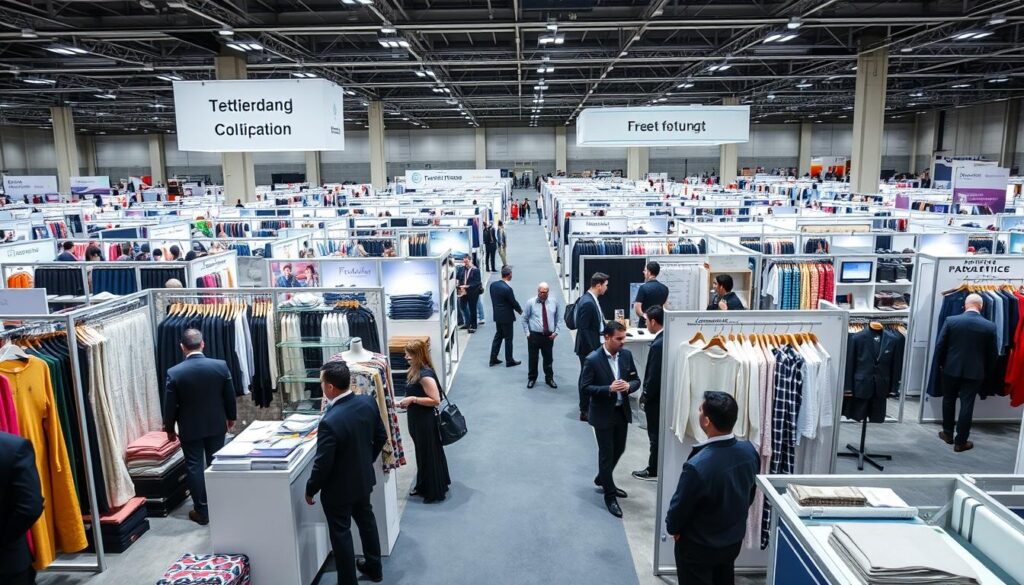
2. Trade Shows and Industry Events
Trade shows offer the invaluable opportunity to meet manufacturers face-to-face, see sample work, and build personal connections. Key industry events include:
- Texworld – Major textile and sourcing show held in Paris, New York, and other locations
- MAGIC – Large apparel trade show in Las Vegas with a dedicated sourcing section
- Première Vision – Premium textile and manufacturing show in Paris
- Apparel Textile Sourcing – Shows in Canada, Miami, and Germany
- Intertextile Shanghai – Asia’s largest textile sourcing event
3. Industry Referrals and Networking
Personal recommendations from other fashion professionals are often the most reliable way to find trustworthy manufacturers. Build your network through:
- Fashion industry associations and groups
- Local fashion incubators and accelerators
- LinkedIn industry groups and connections
- Fashion design schools and their alumni networks
- Facebook groups for fashion entrepreneurs
- Local garment district connections
4. Manufacturing Consultants and Sourcing Agents
If you’re struggling to find the right manufacturer or don’t have time for extensive research, consider working with professionals who specialize in manufacturer sourcing:
- Sourcing Agents – Professionals with established manufacturer relationships who can connect you with suitable partners
- Production Consultants – Industry experts who guide you through the entire manufacturing process
- Fashion Incubators – Organizations that support emerging designers with manufacturing connections
Access Our Network of Verified Manufacturers
Skip the lengthy search process. We’ve already vetted hundreds of clothing manufacturers across different specializations, price points, and locations.
5. Location-Specific Searches
If you have a preference for manufacturing in a specific country or region, focus your search accordingly:
European Manufacturing
Known for high-quality production, particularly in Portugal, Italy, and Eastern Europe. Ideal for premium brands with moderate order volumes.
Asian Manufacturing
Countries like China, Bangladesh, Vietnam, and India offer competitive pricing and large-scale production capabilities with varying specializations.
North American Manufacturing
US and Canadian manufacturers typically offer smaller minimum orders, faster turnaround times, and easier communication for domestic brands.
6. Google and Social Media Research
Don’t underestimate the power of targeted online searches:
- Use specific search terms like “knitwear manufacturer Portugal” or “sustainable denim factory USA”
- Research manufacturers on Instagram and LinkedIn to see their work and client relationships
- Check manufacturer websites for client portfolios, capabilities, and certifications
- Look for manufacturer interviews and features in industry publications
How to Evaluate and Vet Clothing Manufacturers
Finding potential manufacturers is just the first step. Now comes the crucial process of evaluating and vetting them to ensure they’re the right fit for your brand’s needs, values, and quality standards.
Initial Communication and Screening
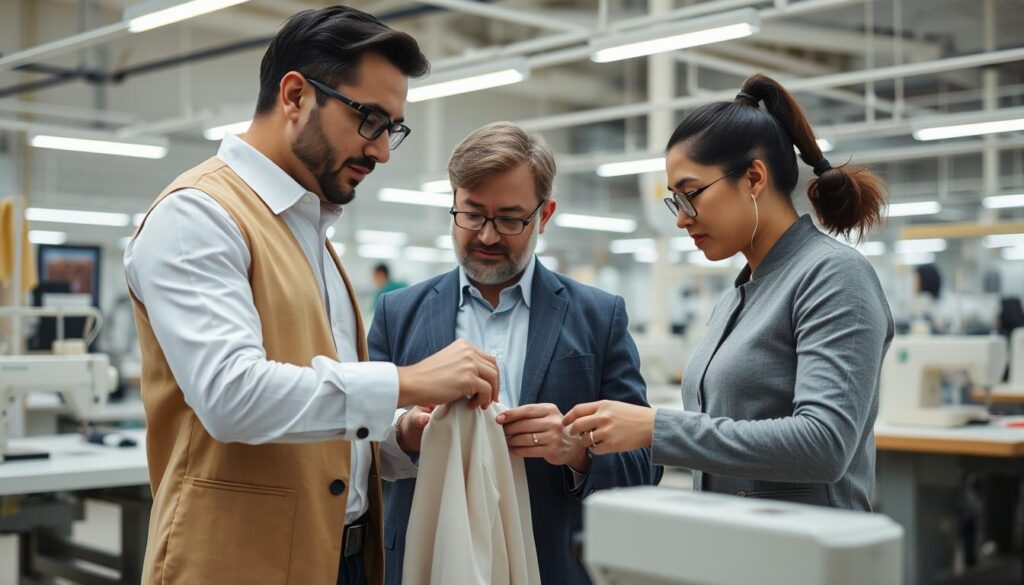
Your first interactions with a manufacturer reveal a lot about their professionalism and suitability. Pay attention to:
- Response Time – How quickly do they reply to inquiries?
- Communication Quality – Is their English proficient enough for clear understanding?
- Question Handling – Do they answer all your questions thoroughly?
- Proactive Information – Do they ask thoughtful questions about your project?
- Transparency – Are they open about their capabilities and limitations?
Key Questions to Ask Potential Manufacturers
Prepare a comprehensive list of questions to assess each manufacturer’s capabilities and compatibility with your needs:
Production Capabilities
- What garment types do you specialize in?
- What is your monthly production capacity?
- What are your minimum order quantities (MOQs)?
- Can you handle my specific fabric/construction requirements?
- What machinery and technology do you use?
Quality and Standards
- What quality control processes do you have in place?
- What certifications do you hold (ISO, WRAP, GOTS, etc.)?
- How do you handle defects and quality issues?
- Can you provide references from similar clients?
- Can I see examples of your work for similar products?
Pricing and Terms
- What is your pricing structure?
- What are your payment terms?
- Are there additional costs for sampling, development, etc.?
- Do you offer volume discounts?
- What are your shipping and delivery options?
Timeline and Process
- What is your typical lead time for samples?
- What is your production lead time after approval?
- How do you handle revisions and changes?
- What is your sampling process?
- How do you manage production delays?
Red Flags to Watch For: Be cautious of manufacturers who are reluctant to share information, promise unrealistic timelines or prices, can’t provide references or samples, or seem disorganized in their communications. These are often warning signs of potential problems.
Request and Evaluate Samples
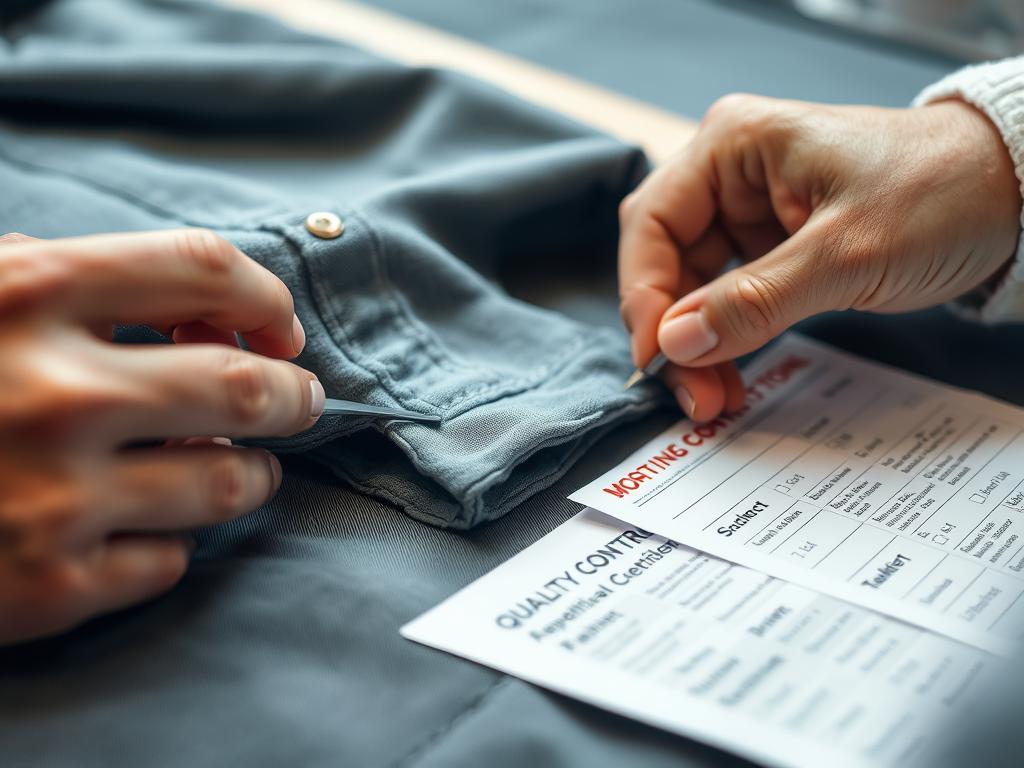
Never commit to full production without first evaluating sample quality. The sampling process typically includes:
- Development Sample – Initial sample to assess the manufacturer’s interpretation of your design
- Fit Sample – Refined sample with corrections to evaluate sizing and fit
- Pre-Production Sample (PPS) – Final sample made with actual production materials and processes
When evaluating samples, thoroughly check:
- Material quality and hand feel
- Construction details and stitching quality
- Measurements and fit accuracy
- Trims and hardware functionality
- Color matching and consistency
- Overall finish and appearance
Factory Audits and Visits
Whenever possible, visit the manufacturing facility in person or arrange a virtual tour. This allows you to:
- Verify the factory exists and operates as claimed
- Assess working conditions and ethical standards
- Evaluate cleanliness, organization, and efficiency
- Meet the team who will be handling your production
- Understand their quality control processes firsthand
- Build a stronger relationship with your manufacturing partner
Can’t Visit Factories in Person?
Our on-the-ground team can conduct factory audits on your behalf, providing comprehensive reports and video tours to help you make informed decisions.
Negotiating Terms and Building Relationships
Once you’ve identified a promising clothing manufacturer, it’s time to negotiate terms and establish a strong working relationship that can grow with your business.

Negotiating Favorable Terms
Approach negotiations as the beginning of a long-term partnership rather than a one-time transaction:
- Minimum Order Quantities (MOQs) – For new relationships, try to negotiate lower initial MOQs with a commitment to larger future orders
- Payment Terms – Standard terms are often 30% deposit, 70% before shipping, but you may negotiate more favorable terms as the relationship develops
- Pricing Structure – Discuss volume discounts, pricing tiers, and how prices might change with order size
- Exclusivity – Consider whether you need exclusive rights to certain designs or materials
- Intellectual Property – Clarify ownership of designs, patterns, and technical specifications
- Quality Standards – Define acceptable quality levels and procedures for handling defects
Creating a Comprehensive Agreement
Document all terms in a clear manufacturing agreement that covers:
- Detailed product specifications and quality standards
- Pricing, payment terms, and conditions
- Production timeline and delivery schedule
- Intellectual property protection
- Quality control procedures and acceptance criteria
- Procedures for handling defects and disputes
- Cancellation and modification policies
- Confidentiality provisions
Important: Have your manufacturing agreement reviewed by a legal professional familiar with international manufacturing contracts, especially when working with overseas partners.
Building a Strong Working Relationship
The most successful manufacturing partnerships are built on mutual respect and clear communication:
- Establish Clear Communication Channels – Define primary contacts, preferred communication methods, and expected response times
- Set Realistic Expectations – Be transparent about your needs, timeline, and growth plans
- Respect Their Expertise – Be open to suggestions and technical advice from your manufacturer
- Pay On Time – Prompt payment builds trust and often leads to better service
- Provide Feedback – Constructive feedback helps improve quality and processes
- Plan Ahead – Give advance notice of upcoming orders and seasonal needs

Starting Small and Scaling Up
Even with thorough vetting, it’s wise to start with smaller orders before committing to large production runs:
- Test Order – Begin with a small production run to evaluate quality, communication, and reliability
- Evaluate Results – Thoroughly assess the finished products and the overall experience
- Address Issues – Communicate any concerns and work together on improvements
- Scale Gradually – Increase order sizes as confidence and trust develop
Managing Quality Control and Production
Maintaining consistent quality is one of the biggest challenges in clothing manufacturing. Implementing robust quality control processes is essential for protecting your brand reputation and minimizing costly mistakes.
Establishing Quality Standards
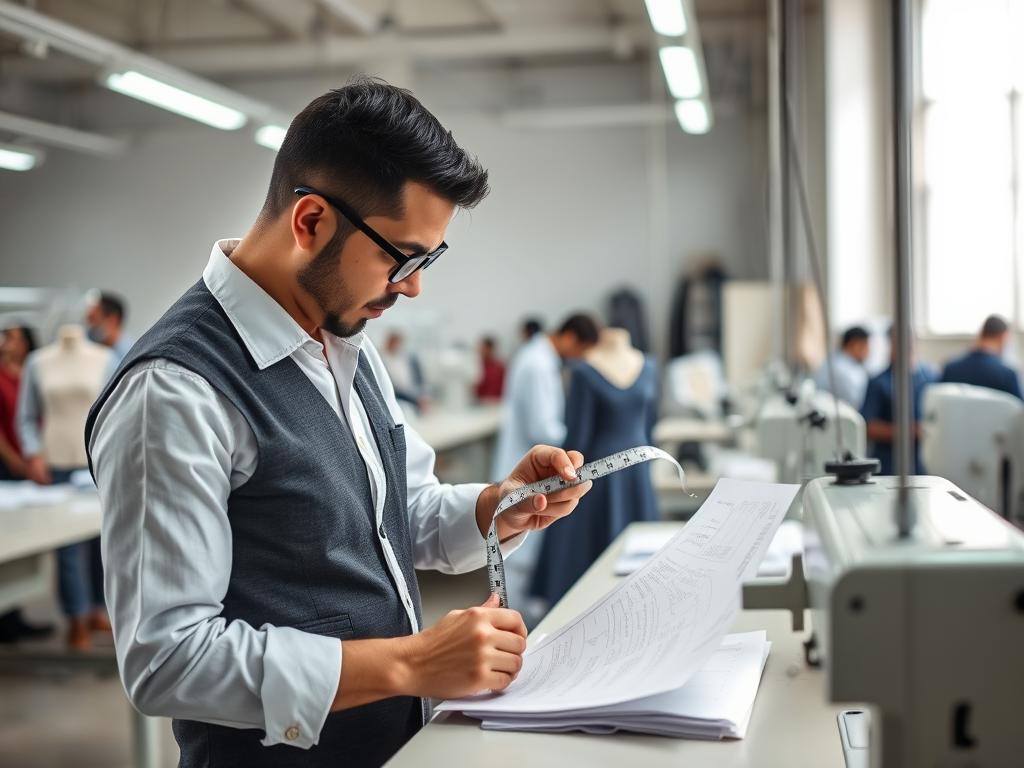
Clear quality standards provide a benchmark for evaluating production:
- Create detailed quality specifications for each product
- Define acceptable tolerance ranges for measurements
- Specify required testing procedures (wash tests, color fastness, etc.)
- Establish clear criteria for accepting or rejecting products
- Document these standards in a quality manual that can be shared with your manufacturer
Implementing Quality Control Checkpoints
Effective quality control happens throughout the production process, not just at the end:
- Pre-Production Approval – Review and approve all materials, trims, and pre-production samples
- Initial Production Check – Inspect the first units off the production line
- During Production Inspection – Random checks throughout the manufacturing process
- Final Random Inspection – Thorough examination of random samples from the completed order
- Pre-Shipment Inspection – Final verification before products leave the factory
AQL Standard: Many manufacturers use the Acceptable Quality Limit (AQL) system for quality inspection. Common standards are AQL 2.5 for major defects and AQL 4.0 for minor defects. Discuss these standards with your manufacturer to ensure alignment.
Working with Third-Party Inspectors
For overseas production or larger orders, consider hiring independent quality control services:
- Third-party inspectors provide unbiased quality assessment
- They can perform inspections at various production stages
- Their reports provide detailed documentation of quality issues
- Their presence often improves factory attention to quality
Need Help with Quality Control?
Our quality assurance team can help you establish effective QC processes and connect you with reliable third-party inspection services worldwide.
Managing Production Timelines
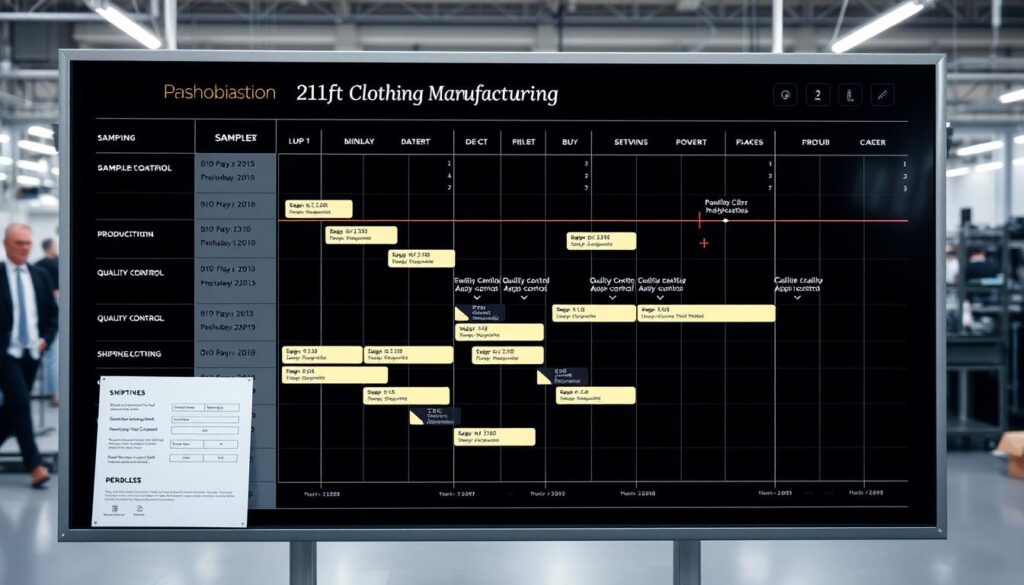
Keeping production on schedule requires proactive management:
- Create a detailed production timeline with key milestones
- Build in buffer time for unexpected delays
- Request regular progress updates from your manufacturer
- Address potential delays as soon as they’re identified
- Maintain open communication about any changes to specifications or quantities
Overcoming Common Manufacturing Challenges
Even with careful planning and vetting, clothing manufacturing often presents unexpected challenges. Being prepared to address these issues can help you navigate them successfully.
How do I handle quality inconsistencies?
Quality inconsistencies are among the most common manufacturing challenges. Address them by:
- Documenting specific issues with photos and detailed descriptions
- Communicating problems promptly and clearly to your manufacturer
- Requesting corrective action plans for systematic issues
- Implementing more rigorous quality control checkpoints
- Considering third-party inspections for objective quality assessment
What if my manufacturer misses deadlines?
Production delays can significantly impact your business. Mitigate this risk by:
- Building buffer time into your planning from the beginning
- Requesting regular progress updates throughout production
- Including penalty clauses for significant delays in your contract
- Developing relationships with backup manufacturers for urgent needs
- Working with your manufacturer to identify and address bottlenecks
How can I manage communication barriers with overseas manufacturers?
Language and cultural differences can lead to misunderstandings. Improve communication by:
- Using visual references whenever possible (photos, sketches, samples)
- Confirming understanding with specific questions rather than yes/no questions
- Documenting all communications in writing for future reference
- Considering a local agent or translator for complex discussions
- Learning basic industry terminology in your manufacturer’s language
What if material costs increase during production?
Material cost fluctuations can impact your pricing and margins. Protect yourself by:
- Locking in prices for specific time periods in your contract
- Pre-purchasing materials for future production runs when prices are favorable
- Developing relationships with multiple material suppliers
- Building some flexibility into your pricing structure
- Regularly monitoring market trends for key materials
How do I protect my intellectual property?
Design theft is a legitimate concern in the fashion industry. Safeguard your IP by:
- Working with reputable manufacturers with strong references
- Using non-disclosure agreements (NDAs) before sharing designs
- Registering trademarks and patents where applicable
- Limiting access to complete design information when possible
- Building strong relationships based on mutual respect and trust
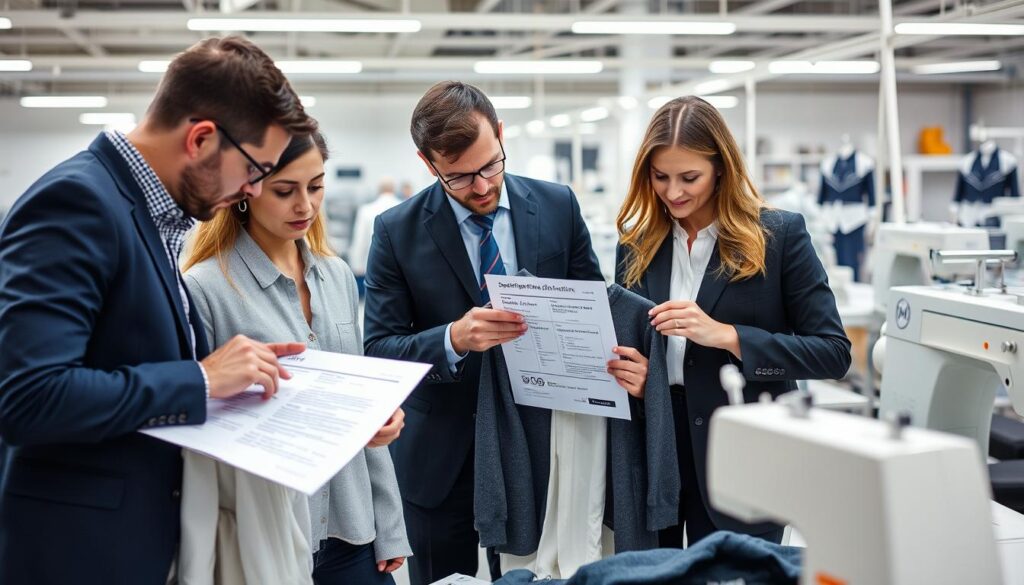
Essential Resources for Finding Clothing Manufacturers
To help you in your search for the perfect clothing manufacturer, we’ve compiled a list of valuable resources that can streamline your research and connection process.
Online Directories
- Alibaba.com
- MakersRow.com
- Kompass.com
- Sourcify.com
- CommonObjective.co
- Sqetch.co
Industry Associations
- American Apparel & Footwear Association
- Council of Fashion Designers of America
- Textile Exchange
- Ethical Fashion Forum
- National Council of Textile Organizations
Trade Shows
- Texworld (USA, France)
- MAGIC (Las Vegas)
- Première Vision (Paris)
- Apparel Textile Sourcing
- Intertextile Shanghai

Books and Publications
Expand your knowledge with these valuable resources:
- The Fashion Designer’s Textile Directory – A guide to fabrics’ properties, characteristics, and suitability for different garments
- The Entrepreneur’s Guide to Sewn Product Manufacturing – Comprehensive overview of the clothing production process
- Sourcing and Manufacturing Fashion – Insights into global sourcing strategies and manufacturing processes
- Apparel Manufacturing: Sewn Product Analysis – Technical guide to garment construction and quality assessment
Online Courses and Webinars
Enhance your manufacturing knowledge through educational resources:
- Fashion business courses on platforms like Coursera and Udemy
- Webinars hosted by industry associations and sourcing platforms
- YouTube tutorials on technical specifications and quality control
- Manufacturing podcasts featuring industry experts and brand owners
Ready to Find Your Perfect Manufacturing Partner?
Let our sourcing experts connect you with pre-vetted clothing manufacturers that match your specific product needs, quality requirements, and budget.
Conclusion: Building Successful Manufacturing Partnerships
Finding the right clothing manufacturer is a critical step in building a successful fashion brand. The manufacturer you choose becomes an extension of your team, directly influencing your product quality, delivery reliability, and ultimately, your brand reputation.
Remember that the best manufacturing relationships are partnerships built on clear communication, mutual respect, and shared goals. Take time to thoroughly research, vet, and test potential manufacturers before committing to large production runs. Start with smaller orders to evaluate quality and reliability, then scale as the relationship develops.
By following the steps outlined in this guide, you’ll be well-equipped to find a clothing manufacturer that can bring your vision to life with the quality, consistency, and reliability your brand deserves. Whether you choose a domestic or overseas partner, prioritize finding a manufacturer whose capabilities, values, and communication style align with your business needs and growth plans.

Need Expert Guidance on Your Manufacturing Journey?
Our team of sourcing specialists has helped hundreds of fashion brands find their perfect manufacturing partners. Schedule a consultation to discuss your specific needs and get personalized recommendations.