
Key Takeaways
- Cost savings through efficient manufacturing processes
- Customization options to meet specific brand requirements
- Scalability to support business growth
- Compliance with international quality and safety standards
- Expert guidance throughout the production process
Understanding Private Label Clothing
Private label clothing lets companies sell high-quality, branded items without making them themselves. This way, businesses can make products that fit their brand, quality, and price plans.What is Private Label Clothing?
Private label clothing means products made by one company but sold under another’s name. This lets brands focus on design, marketing, and sales. They leave the making to experts. Working with a trusted white label apparel manufacturer or private label fashion manufacturer ensures your products are top-notch and look great.
Benefits of Choosing Private Label
Choosing private label clothing has many benefits, including:- Control over branding and product design
- Flexibility in production volumes and product customization
- Ability to focus on core business activities such as marketing and sales
- Potential for higher profit margins due to reduced manufacturing costs
Differences Between Private and Wholesale
The main difference between private label and wholesale clothing is in branding and sales. Wholesale means buying products and reselling them, often without changing them much.| Aspect | Private Label | Wholesale |
|---|---|---|
| Branding | Products sold under your brand name | Products sold under the manufacturer’s brand or your own with limited customization |
| Customization | High level of customization in design, fabric, and packaging | Limited to no customization options |
| Profit Margins | Potential for higher margins due to brand control | Margins determined by wholesale pricing and resale price |
Key Considerations When Choosing a Supplier
Your private label clothing supplier is more than just a vendor; they’re a partner in your business’s growth. When selecting a supplier, several critical factors come into play to ensure a successful partnership.Quality Control Standards
Ensuring that your supplier maintains rigorous quality control standards is paramount. This includes regular inspections, adherence to international quality standards, and a clear understanding of your brand’s quality expectations. You should look for suppliers that are certified by recognized bodies such as OEKO-TEX or WRAP, which guarantee compliance with global quality and safety standards. For instance, a reputable supplier will have a comprehensive quality control process in place, including:- Pre-production inspections to verify materials and production methods
- During-production inspections to monitor the manufacturing process
- Final inspections before shipment to ensure compliance with your specifications
Production Capabilities
Assessing a supplier’s production capabilities is crucial to ensure they can meet your demand. This includes evaluating their manufacturing technology, production capacity, and flexibility in handling different types of orders. You need a supplier who can scale with your business, offering a range of services from sampling to full-scale production. Consider the following when evaluating production capabilities:| Production Aspect | What to Look For |
|---|---|
| Manufacturing Technology | Modern machinery, automation, and digital printing capabilities |
| Production Capacity | Ability to handle large and small orders, flexibility in production scheduling |
| Material Variety | Range of fabrics and materials available, ability to source specific materials |
Minimum Order Requirements
Understanding a supplier’s minimum order requirements (MOQs) is vital to ensure they align with your business needs. Some suppliers may have high MOQs that could strain your inventory and cash flow, while others may offer more flexible terms suitable for smaller or startup brands.“We were able to start small with our MOQ and scale up as our brand grew, thanks to our supplier’s flexible policies.” – Emily Chen, Founder of GreenThreads
Shipping and Logistics
Efficient shipping and logistics are critical to getting your products to market quickly and cost-effectively. You should evaluate your supplier’s shipping policies, including their ability to handle customs clearance, their preferred shipping methods, and their tracking and delivery processes. When assessing shipping and logistics, consider:- FOB (Free on Board) terms and how they impact your costs and responsibilities
- The supplier’s experience with international shipping and customs regulations
- The availability of real-time tracking and updates on shipment status
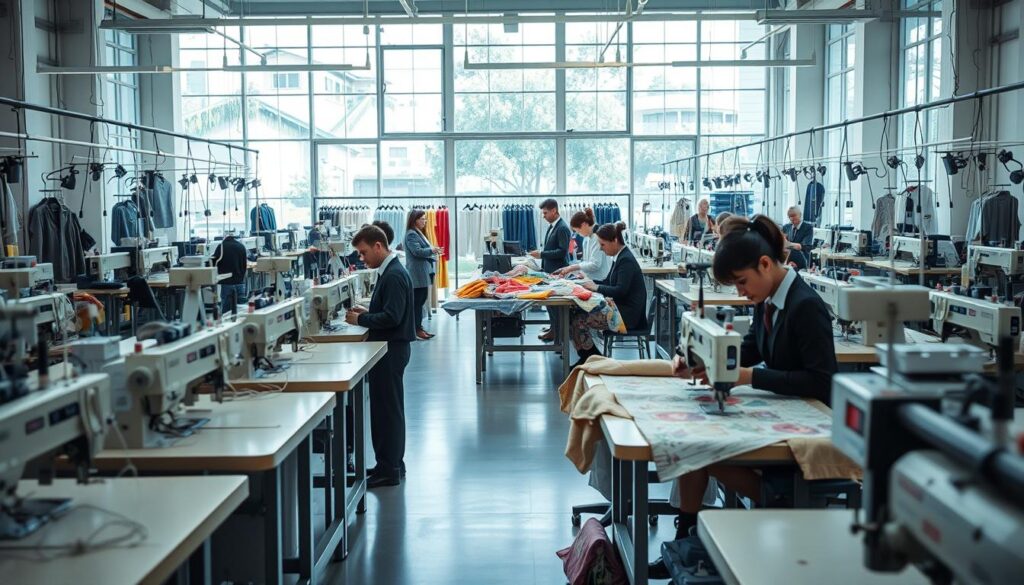 By carefully evaluating these key considerations, you can identify a reliable private label clothing supplier that meets your business needs and contributes to your long-term success.
Top Private Label Clothing Suppliers in the U.S.
In the U.S., many businesses can find great private label clothing suppliers. They offer wholesale private label clothing and made to order apparel manufacturing. This meets different business needs.Bella+Canvas
Bella+Canvas is famous for its comfy, high-quality clothes. They have lots of products like tees and hoodies. They’re great for fast fashion and quick delivery.Apliiq
Apliiq is all about custom clothes. They make a variety of items, from casual to activewear. They also do embroidery and printing. It’s perfect for unique, custom clothes.Printful
Printful is a print-on-demand service that also does private label clothes. They have lots of products and let you add your brand. It’s great for businesses that want many products without inventory.TSC Apparel
TSC Apparel has many clothes, from basics to trendy items. They’re known for quality and good prices. It’s good for businesses wanting reliable, affordable clothes.| Supplier | Minimum Order Quantity | Production Capabilities | Shipping Logistics |
|---|---|---|---|
| Bella+Canvas | Low MOQ | High-quality apparel, fast turnaround | Reliable shipping, various options |
| Apliiq | Custom orders welcome | Custom apparel, embroidery, printing | Flexible shipping options |
| Printful | No MOQ for print-on-demand | Wide range of products, custom branding | Dropshipping available |
| TSC Apparel | Competitive MOQ | Basics and fashion apparel, quality focus | Reliable shipping, competitive rates |
Evaluating Manufacturing Practices
In today’s world, knowing how your custom label clothing manufacturer makes things is key. You want your clothes to look good and be made right. This means they should be made with care for the planet and people.Sustainable Practices
People today want things made in ways that don’t harm the Earth. Look for makers who use green materials, cut down on waste, and save energy. For example, picking suppliers with GOTS (Global Organic Textile Standard) materials helps the planet. Check if your custom label clothing manufacturer cares about the planet. Look at where they get their materials, how they make things, and how they handle waste. Choosing a maker that cares about the planet makes your brand look good to eco-friendly shoppers.
Ethical Labor Standards
It’s important to make sure your custom label clothing manufacturer treats workers right. They should be paid well, work in safe places, and be treated fairly. WRAP (Worldwide Responsible Apparel Production) shows they follow strict rules. Talk to your supplier about how they treat workers. Ask them to be open about their supply chain and work conditions. Supporting makers who treat workers well makes your brand look good and helps workers.Certification and Compliance
Certifications are important to show your custom label clothing manufacturer meets high standards. GOTS and WRAP are examples of these. They mean the maker follows strict rules. When looking at suppliers, check for these certifications. Make sure they’re real. Following these standards makes your brand more trustworthy and shows your products are made responsibly.Customization Options for Private Label Brands
Customizing products is a big plus for private label brands. It helps them match their brand’s look. Suppliers and manufacturers offer many ways to customize, meeting different brand needs.Design and Branding Flexibility
Working with private label suppliers means you get design freedom. You can make unique designs that show off your brand’s style and values. This includes:- Logo placement and design
- Color palettes and fabric textures
- Garment styles and cuts

Fabric and Material Choices
Fabric and material choices are key for quality and comfort. Suppliers offer many fabrics, like:- Cotton and organic cotton
- Synthetic materials like polyester and nylon
- Sustainable and eco-friendly fabrics
“Sustainability is no longer a trend but a necessity in the fashion industry, with consumers increasingly demanding eco-friendly products.”
Packaging Solutions
Packaging is important for branding, but often overlooked. Suppliers can create custom packaging that shows your brand’s identity. This includes:- Custom boxes and polybags
- Branded tags and labels
- Eco-friendly packaging options
Cost Considerations in Private Label Clothing
Private label clothing makers offer good prices. But, there are costs to know when starting with wholesale private label clothing. It’s key to understand these costs to manage your budget well and make smart choices with clothing makers.Pricing Structures
The price of private label clothing depends on several things. Material costs change a lot based on the fabric type and quality. For example, organic cotton or special fabrics cost more than regular cotton.- How many items you order affects the price per piece. Ordering more means paying less per item.
- Shipping costs, like transport and import duties, also add to the total price.
Hidden Costs to Look Out For
The first price quote might look good, but there are often hidden costs. These can include:- Costs for making samples and making changes
- Expenses for rush orders or fast shipping
- Costs for quality checks and inspections
- Expenses for custom packaging or labels
The Role of Technology in Private Label Manufacturing
Private label manufacturing is changing fast with new tech. This tech makes products better and work more smoothly. For a made to order apparel manufacturer or private label fashion manufacturer, using these techs is key to keep up.Innovations in Fabric Technology
New fabric tech is changing the clothes world. Stuff like eco-friendly materials, sweat-wicking fabrics, and tech in clothes is making products better. For example, more people want clothes made from recycled plastic and organic cotton because they’re good for the planet.- Sustainable Materials: Recycled polyester, organic cotton, and Tencel are getting more popular.
- Performance Fabrics: Fabrics that keep you cool and dry make clothes more comfy.
- Wearable Technology: Clothes that track your health and more are coming out.
Software for Inventory Management
Managing stock well is super important for private label makers. New software lets them track stock, guess how much to make, and order more when needed. This helps avoid running out of stock and wasting money on too much. What’s cool about inventory software is:- It tracks stock in real time.
- It guesses how much to make based on sales.
- It orders more stuff for you.
E-commerce Solutions for Brands
Online shops are key for private label brands to sell directly to customers. Good e-commerce sites make shopping easy and fun. They also give insights into what customers like. What’s great about e-commerce is:- Personalized Shopping Experience: It suggests things you might like.
- Streamlined Operations: It manages stock and orders for you.
- Data-Driven Insights: It shows what customers are doing and what sells.
Success Stories: Brands Thriving with Private Label
Many brands have found great success with private label clothing. They work with custom clothing suppliers to make unique, high-quality items. This helps them stand out and win loyal customers.Emerging Brands Making Waves
An emerging brand teamed up with a white label apparel manufacturer to start their clothing line. They used private label manufacturing to offer top-notch, customized clothes without big costs. This brand also focused on being eco-friendly. They used green materials and methods. This drew in customers who care about the planet. Their sales soared, growing by over 200% in just one year.- Key factors contributing to their success included strategic partnerships with suppliers.
- Effective branding that resonated with their target audience.
- Adaptability to changing market trends and consumer preferences.
Lessons from Established Companies
Big brands have also seen benefits from private label strategies. For example, a famous brand updated their line with help from a private label maker. This move refreshed their image and brought back customers. One big lesson from this is the value of being flexible in production. Working with a supplier that could handle small orders and quick changes helped the brand. This way, they could quickly meet demand, cut waste, and make more money. These stories show how private label can boost business, make brands stand out, and please customers. By learning from these successes, other companies can grow and succeed too.Future Trends in Private Label Clothing
The private label clothing market is changing fast. This is because of new consumer wants and better manufacturing tech. As a custom label clothing maker, we help you keep up with these changes.Changing Consumer Landscape
Consumer tastes are shifting a lot. People want clothes that are stylish and good for the planet. Private label makers need to keep up with these new demands to stay in the game.Direct-to-Consumer Models
E-commerce is making it easier for private label brands to sell directly to customers. This lets brands control sales and talk more with their fans. As a supplier, we see more brands using social media and websites to connect with their audience.Niche Market Opportunities
The market is also opening up for special, unique products. By working with a custom label maker, you can grab these chances and stand out in the market. By getting these trends and using what private label suppliers offer, businesses can grow and succeed in the market. Or call us directly to discuss your manufacturing needs: +4917646646541FAQ
What is private label clothing, and how does it differ from wholesale clothing?
Private label clothing is made and sold with a brand’s own label. It lets businesses create products that match their brand. This is different from wholesale clothing, which is made for many brands and doesn’t match a specific brand’s needs.
What are the benefits of choosing a private label clothing supplier?
Choosing a private label clothing supplier can save money and give more control over your brand. It lets businesses focus on what they do best. This way, they can make sure their products are high quality and meet their brand standards.
What factors should I consider when selecting a private label clothing supplier?
When picking a supplier, look at their quality standards, how much they can make, and shipping. It’s important to find a supplier that fits your needs and follows strict standards for a good partnership.
What certifications and compliance standards should I look for in a private label clothing manufacturer?
Look for certifications like OEKO-TEX, BSCI, WRAP, and GOTS. These show the manufacturer cares about sustainability, ethical labor, and quality. It’s key to have a responsible and green supply chain.
Can I customize the design and branding of my private label clothing?
Yes, you can make your private label clothing unique. Suppliers let you design products that show off your brand. You can work with them to create designs, labels, and packaging that fit your brand.
What are the typical minimum order quantities (MOQs) for private label clothing suppliers?
MOQs vary, but many start at 200 pieces. Some suppliers might have higher or lower MOQs based on what they can make and their policies.
How do I ensure that my private label clothing supplier is compliant with labor laws and regulations?
Check if suppliers follow international labor standards, like BSCI or WRAP. You can also visit their sites to check if they follow labor laws and regulations.
What role does technology play in private label manufacturing?
Technology is key in private label manufacturing. It helps improve product quality, makes operations smoother, and enhances the brand experience. New tech in fabrics, inventory management, and e-commerce helps businesses stay ahead.
How can I manage costs when working with a private label clothing supplier?
To save money, know what affects prices like material costs and production volumes. Watch out for hidden costs. Work with your supplier to make production and shipping more efficient.
What are the future trends shaping the private label clothing industry?
The industry is changing due to new consumer wants, direct-to-consumer sales, and niche markets. Keeping up with these trends and adapting to what customers want is key for businesses to stay competitive.